2026 Best Muscle Protein Powder for Optimal Performance?
In the pursuit of peak athletic performance, the right Nutritional supplements can make a significant difference. One key element in any bodybuilder's routine is Muscle Protein Powder. Athletes often rely on protein powders for muscle recovery, strength gains, and overall health. However, selecting the best options is not always straightforward.
Many brands claim superiority, but the effectiveness varies. Ingredients, flavors, and mixing ability can influence your choice. For example, some powders may taste unpleasant, making consumption difficult. Others might not dissolve well in liquids, affecting intake.
Consumers must also consider their personal goals. Some seek to bulk up, while others aim for lean muscle. The best Muscle Protein Powder should align with these individual needs. Additionally, watching out for added sugars and fillers is essential. The ideal product should provide high-quality protein without unnecessary additives. Balancing these factors can be challenging but rewarding.
Factors to Consider When Choosing Muscle Protein Powder
When selecting a muscle protein powder, several factors require careful consideration. The source of protein is crucial. Common sources include whey, casein, and plant-based options. Each has unique benefits. For instance, whey protein is fast-digesting and great for post-workout recovery. In contrast, casein digests slowly, ideal for overnight muscle repair. Feeding your muscles the right protein at the right time can enhance performance significantly.
Nutrition professionals recommend a protein intake of 1.6 to 2.2 grams per kilogram of body weight for athletes. This means careful calculation of your dietary needs based on activity level and weight. Also, consider the amino acid profile. Essential amino acids, particularly leucine, play a critical role in muscle synthesis. A product should ideally have around 2.5 grams of leucine per serving to be effective.
Tips: Look for protein powders with minimal added sugars and fillers. These can hinder your progress. Reading product labels is essential. Don’t overlook the importance of dietary restrictions. If lactose intolerant, choose a lactose-free protein. Consider the taste and mixability, as these factors affect consistency in use. Some might find that specific textures or flavors lead to less regular consumption.
2026 Best Muscle Protein Powder for Optimal Performance
| Protein Source |
Protein Content (per serving) |
BCAAs (per serving) |
Carbohydrates (per serving) |
Price (per serving) |
| Whey Protein Isolate |
25g |
5g |
2g |
$1.50 |
| Casein Protein |
24g |
4g |
3g |
$1.70 |
| Soy Protein |
20g |
3g |
4g |
$1.30 |
| Pea Protein |
25g |
4g |
3g |
$1.40 |
| Egg White Protein |
26g |
5g |
1g |
$1.80 |
Popular Types of Protein Powders and Their Benefits
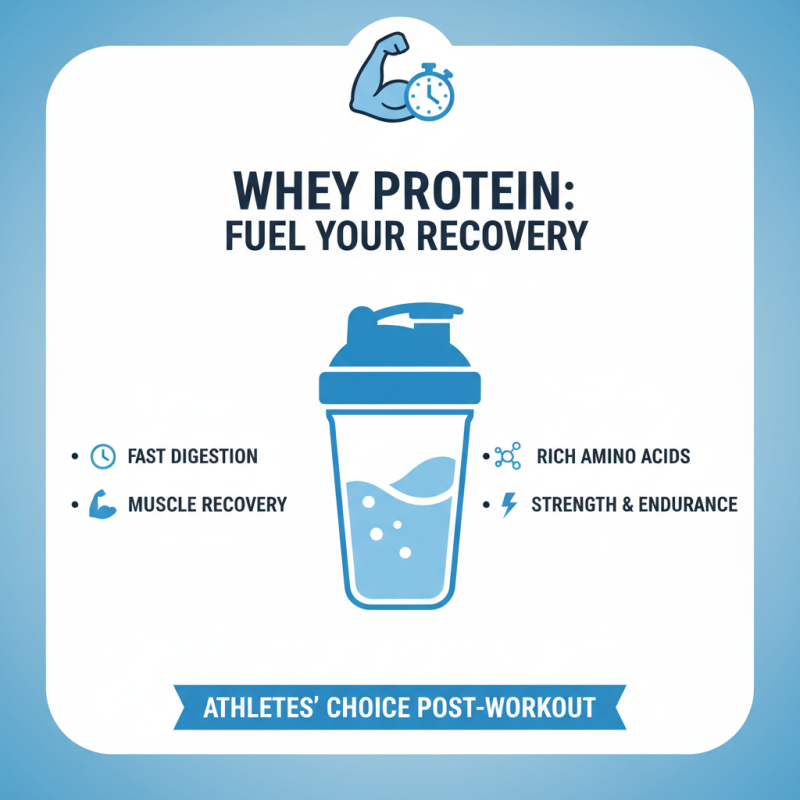
When choosing a protein powder, it’s important to know the types available. Whey protein is one of the most popular. It digests quickly and supports muscle recovery. Many athletes prefer it after workouts. The rich amino acid profile aids in building strength and endurance.
Casein protein is another option. It digests slowly, providing a steady release of amino acids. This makes it ideal for overnight recovery. Some people love it before bed. However, individuals with lactose intolerance may find it difficult to digest.
Plant-based protein powders are gaining popularity too. They include sources like pea, hemp, and brown rice. These options are suitable for vegans and those with allergies. While they may lack some amino acids, they offer fiber and other nutrients. It’s crucial to consider personal goals and dietary needs when selecting a type. Make sure it aligns with your lifestyle for the best results.
Top Brands of Muscle Protein Powder for 2026
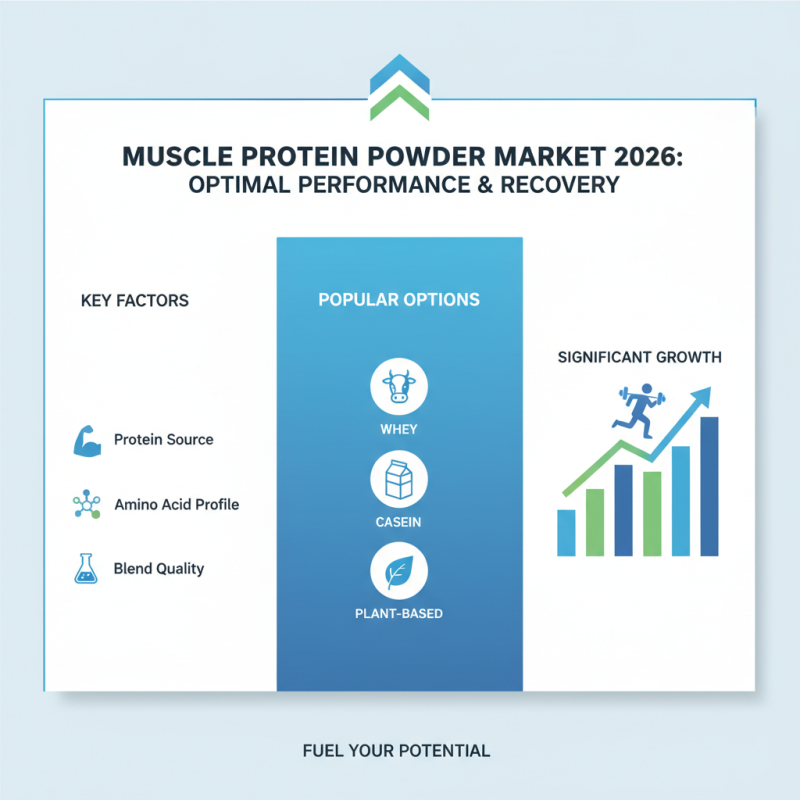
In 2026, the market for muscle protein powder has grown significantly. Many users seek optimal performance and recovery. Factors to consider include protein source, amino acid profile, and blend quality. Popular options often include whey, casein, and plant-based proteins.
When choosing a protein powder, taste can be a deal-breaker. Some powders mix poorly and taste chalky. Look for options that provide a smooth texture and enjoyable flavors. Steer clear of fillers and excessive sweeteners. A few grams less sugar can make a big difference in overall health.
Tips: Always check for third-party testing. This ensures quality and safety. Additionally, consider varying your protein sources. A mix of plant and animal proteins can enhance muscle recovery. Take time to reflect on your dietary needs. Adjustments may yield better results over time.
How to Use Muscle Protein Powder for Optimal Performance
Using muscle protein powder effectively can enhance your workout performance. Start by determining your individual needs. It’s not just about the powder; it's about how you use it.
When to take it matters. Consuming protein shortly after your workout can aid recovery. Aim for 20-30 grams per serving to maximize benefits. However, relying solely on powders isn't ideal. Whole food sources should still make up a significant part of your diet.
Listening to your body is crucial. Adjust your intake based on how you feel. It’s okay if results aren't immediate or as expected. Consistency is key, but so is flexibility. Don't hesitate to tweak your approach. If you find you're not seeing improvements, it might be time to reassess your strategy.
Nutritional Value and Ingredients in Quality Protein Powders
When choosing protein powders, nutritional value is key. The protein content varies by brand and source. According to industry reports, whey protein typically provides 20-25 grams per serving. Casein and plant-based proteins also have their strengths, offering around 15-25 grams each. However, not all sources are created equal.
Ingredients matter significantly, too. High-quality protein powders contain essential amino acids. They often include BCAAs, vital for muscle recovery. A report by the Journal of the International Society of Sports Nutrition highlights the role of leucine in muscle protein synthesis. Some powders also add digestive enzymes for better absorption. Yet, mixing various protein sources can dilute these benefits.
On the flip side, quality doesn’t just imply high protein content. Many powders are laden with fillers and sugars. Studies reveal that excessive sugar can hinder performance. Consumers often overlook ingredient transparency, which is crucial. A clean label should show minimal additives. It's essential to scrutinize what’s inside the tub, rather than just focusing on flashy claims.
2026 Best Muscle Protein Powder for Optimal Performance
This chart displays the average protein content per serving and key ingredients of various popular protein powders. The aim is to provide insights into the nutritional value of these products, which can help you choose the best protein powder for optimal performance.