Leave Your Message
The 2026 soy protein market is entering a more practical phase. Soy Protein Growth will depend on nutrition, taste, price, and supply reliability. Consumers are no longer choosing plant protein only for environmental reasons. They are examining labels, amino acid profiles, processing methods, and everyday usability.
Dr. Mark Messina, a recognized soy nutrition researcher, has stated, “Soyfoods are the only plant foods that provide protein quality comparable to animal foods.” This perspective remains important as manufacturers develop soy isolates, concentrates, textured soy protein, and ready-to-drink products. A smooth shake, a firm meat alternative, and a clean-label snack require different technical solutions. Texture still matters. Many products promise convenience, yet some remain dry, overly processed, or difficult to prepare.
This article explores the leading Soy Protein Growth trends expected in 2026. It examines demand across sports nutrition, functional foods, clinical nutrition, and affordable daily meals. It also considers regional differences, especially rising interest in Asia-Pacific markets and continued innovation in North America and Europe. Better fermentation, improved flavor masking, and hybrid formulations may support wider adoption. However, market optimism should be tested carefully. Forecasts can overlook crop volatility, consumer fatigue, or the cost of advanced processing. That uncertainty deserves attention. A strong growth story must connect laboratory improvements with supermarket reality: clear packaging, acceptable flavor, stable pricing, and trustworthy nutrition claims. The most successful companies may not be those making the loudest promises. They may be the ones solving small problems consistently.

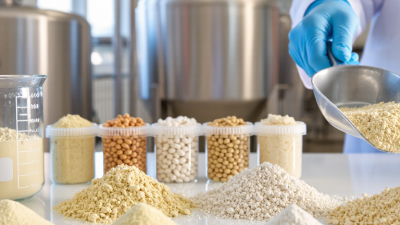
Soy protein is a plant-based protein extracted from soybeans. It appears mainly as soy protein isolate, concentrate, and textured soy protein. Isolate usually contains at least 90% protein on a dry basis. Textured formats add structure to prepared foods. This definition matters.
The market is expanding beyond vegetarian diets. Grand View Research estimated the global soy protein market at about USD 10.3 billion in 2023. Its report projects an 8% annual growth rate through 2030. Meanwhile, the OECD-FAO Agricultural Outlook 2024–2033 expects global soybean production to keep rising, supported by food, feed, and processing demand. These figures describe different market boundaries, so direct comparisons can mislead.
In 2026, growth should concentrate around affordable high-protein foods, sports nutrition, and textured products for ready meals. Consumers increasingly inspect protein content, ingredient length, digestibility, and processing methods. The Asia-Pacific region remains important because tofu, soy beverages, and fermented soy foods already have established consumption habits. North American and European demand is more connected with meat reduction and protein enrichment.
Manufacturers face a practical problem. Soy protein can deliver strong nutrition, but beany notes and texture limitations still affect acceptance. Better flavor masking, fermentation, and blending may improve repeat purchases. However, “clean label” claims require careful verification. Market forecasts also deserve caution, because inflation, crop yields, allergen labeling, and changing dietary preferences can quickly alter demand.
| Market Dimension | Definition or Measurable Indicator | Current Market Relevance | 2026 Growth Trend |
|---|---|---|---|
| Soy Protein Definition | Soy protein is a plant-based protein ingredient obtained from soybeans through processes such as milling, solvent or aqueous extraction, concentration, isolation, and texturization. | Used as a protein source, emulsifier, water-binding agent, and texture improver in food and nutrition products. | Expanding applications |
| Soybean Raw Material | Soybeans typically contain approximately 36–40% protein and about 18–21% oil by weight, depending on variety and growing conditions. | The availability of soybean meal and other processing streams supports the supply of soy protein ingredients. | Stable supply base |
| Soy Protein Flour | Generally contains approximately 40–60% protein on a dry basis. | Applied in bakery products, snacks, nutrition mixes, and prepared foods to improve protein content and functional performance. | Steady growth |
| Soy Protein Concentrate | Contains at least approximately 65% protein on a dry basis after removing much of the soluble carbohydrate fraction. | Commonly used in meat analogues, protein beverages, nutrition bars, and processed foods requiring higher protein density. | High-growth segment |
| Soy Protein Isolate | Contains at least approximately 90% protein on a dry basis. | Suitable for high-protein formulations where a neutral profile, high protein density, and controlled functionality are required. | Premium demand |
| Textured Soy Protein | Produced by extrusion or related texturization processes; commercial products commonly provide roughly 45–55% protein, depending on formulation and moisture basis. | Provides fibrous or granulated texture in plant-based meat, fillings, ready meals, and foodservice products. | Strong application growth |
| Amino Acid Profile | Soy protein supplies all nine essential amino acids. Its sulfur-containing amino acids, especially methionine, are relatively lower than in some animal proteins. | Its complete essential-amino-acid profile supports use in vegetarian, vegan, sports, and general nutrition products. | Nutrition-led demand |
| Main Application: Plant-Based Foods | Applications include meat alternatives, plant-based beverages, protein snacks, bakery products, sauces, prepared meals, and nutrition products. | Texturization, protein enrichment, and improved product affordability make soy protein suitable for large-scale food processing. | Above-average potential |
| Main Application: Sports and Active Nutrition | Soy protein isolate and concentrate are used in powders, bars, ready-to-drink beverages, and meal-replacement formulations. | Demand is supported by interest in plant-based protein, lactose-free formulations, and diversified protein sources. | Positive momentum |
| Regional Demand: Asia-Pacific | Demand is supported by established soy-food consumption, expanding urban food processing, and growing interest in protein-enriched products. | Regional consumption includes traditional soy foods as well as modern beverages, snacks, meat alternatives, and nutrition products. | Leading growth opportunity |
| Regional Demand: North America and Europe | Demand is linked to plant-based diets, flexitarian eating patterns, sports nutrition, clean-label reformulation, and meat-reduction trends. | Product developers increasingly focus on improved taste, texture, digestibility, and simpler ingredient lists. | Innovation-driven growth |
| Functional Performance | Soy proteins can provide emulsification, water absorption, gelation, binding, foaming, and texturization properties. | These properties allow soy protein to contribute to both nutritional value and product structure. | Higher-value formulations |
| Clean-Label and Processing Trend | Manufacturers are developing ingredients with improved solubility, lower off-notes, better dispersibility, and fewer processing-related sensory limitations. | Ingredient quality and sensory performance are becoming important differentiators beyond protein percentage alone. | Key innovation priority |
| Sustainability Consideration | Soy protein can deliver concentrated plant-based protein from a crop that also supplies soybean oil and meal co-products. | Environmental positioning depends on farming practices, land-use history, transport, processing energy, and supply-chain traceability. | Growing buyer focus |
| Regulatory and Labeling Factor | Soy is recognized as a major food allergen in several jurisdictions, including the United States, United Kingdom, European Union, Canada, and Australia. | Allergen declaration, cross-contact controls, ingredient specifications, and nutrition claims must comply with the target market’s regulations. | Compliance-critical |
| Key 2026 Growth Drivers | Plant-based protein adoption, protein fortification, sports nutrition, flexitarian diets, foodservice demand, and improvements in taste and texture. | Growth is expected to favor higher-protein, convenient, versatile, and sensory-improved soy protein formats. | Broad-based expansion |
| Key Market Constraints | Allergen concerns, consumer sensitivity to genetically modified ingredients in some markets, soybean price volatility, off-flavor management, and competition from pea, wheat, rice, and other proteins. | Successful products require transparent sourcing, reliable quality, competitive cost, and strong sensory performance. | Manageable but material |