Top 10 Benefits of Organic Soy Protein Powder for Health and Fitness
In recent years, there has been a surge of interest in health and fitness. Many people are searching for natural ways to enhance their diets. One standout option is Organic Soy Protein Powder. This plant-based protein source is not just a trend; it offers numerous benefits.
Organic Soy Protein Powder is derived from soybeans, making it rich in essential amino acids. It aids in building muscle and serves as a good alternative for those avoiding dairy. With its high protein content, it supports weight management effectively. Moreover, it is often easier to digest than some other protein sources. The powder is versatile, blending well into smoothies, oatmeal, and baked goods.
However, not everyone may enjoy the taste. Some may find it gritty or overpowering. It is crucial to experiment with flavors to make it more enjoyable. Despite any drawbacks, the benefits cannot be ignored. Incorporating Organic Soy Protein Powder into daily meals can significantly contribute to overall health and fitness goals.

Key Nutritional Components of Organic Soy Protein Powder
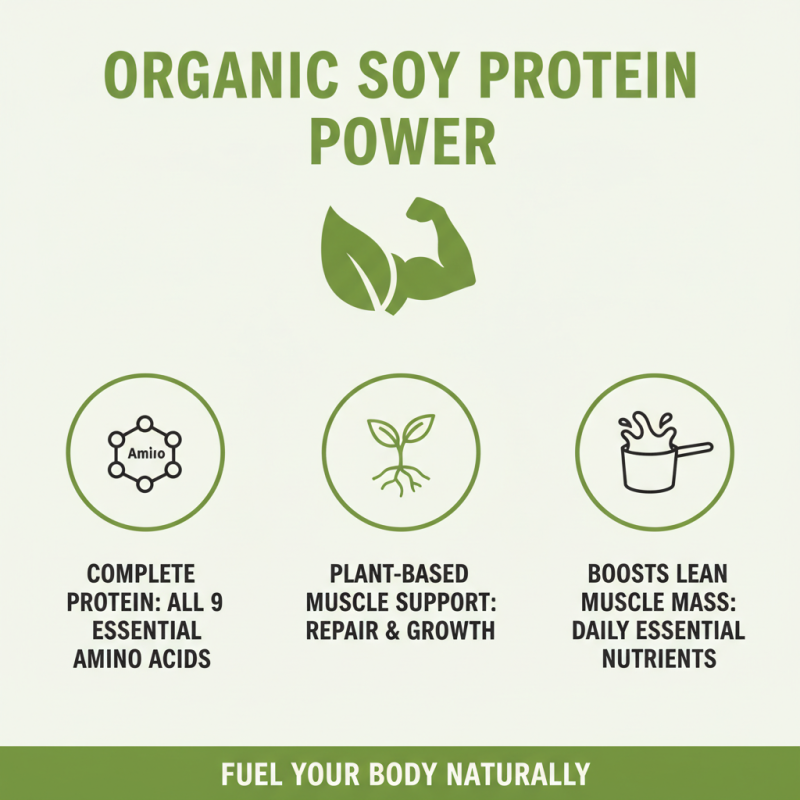
Organic soy protein powder is rich in essential nutrients. It contains high-quality protein. This protein is complete, offering all nine essential amino acids. For those focused on plant-based diets, it’s a great source of protein for muscle repair and growth. Each serving can provide a substantial boost to daily protein intake, which is crucial for maintaining lean muscle mass.
This powder also supplies healthy fats. Omega-3 and omega-6 fatty acids are vital for heart health and brain function. Additionally, organic soy protein powder contains important vitamins and minerals. These include calcium, iron, and magnesium, all of which support various bodily functions.
It is noteworthy that some people might have soy allergies. This is a significant concern for individuals considering this supplement. Another aspect to reflect on is the balance of nutrients. While soy protein is beneficial, a varied diet is essential for optimal health. Over-reliance on any protein source may lead to nutrient deficiencies.
Comparative Analysis: Organic vs. Conventional Soy Protein Powder
When comparing organic and conventional soy protein powder, there are notable differences in nutrient profiles. A study by the Organic Trade Association found that organic soy protein often contains higher levels of beneficial compounds. These include isoflavones, which can aid in hormone balancing and offer antioxidant benefits. Conventional methods might yield lower levels due to pesticide residues and soil depletion.
Organic soy protein is not only cleaner but may also promote better digestion. Research published in the Journal of Nutrition suggests that organic soy products can enhance gut flora diversity more effectively. This can result in improved absorption of nutrients. In contrast, conventional options may include additives that could disrupt this process.
Taste and texture can also differ. Organic soy protein often retains better flavor and consistency. This leads to a more enjoyable experience for those incorporating it into their diets. However, some consumers find the price of organic products prohibitive. The higher cost raises questions about accessibility. It's essential for consumers to weigh the pros and cons carefully, considering both health benefits and budgets.
Top 10 Benefits of Organic Soy Protein Powder for Health and Fitness
| Benefit |
Organic Soy Protein Powder |
Conventional Soy Protein Powder |
| Higher Nutrient Quality |
Rich in antioxidants and beneficial compounds |
Lower levels of antioxidants |
| Non-GMO |
100% Non-GMO |
May contain GMOs |
| Improved Digestibility |
Easier to digest |
May cause bloating for some |
| Better Taste |
Smoother and richer flavor |
Grainier taste |
| Environmental Impact |
Sustainable farming practices |
Higher pesticide use |
| Hormone Balance |
May contain beneficial isoflavones |
Lower isoflavone content |
| Allergen Concerns |
Less processed, fewer allergens |
More processing may enhance allergens |
| Market Value |
Higher market demand |
Lower market value |
| Shelf Stability |
Longer shelf life |
Shorter shelf life |
| Overall Health Benefits |
Promotes heart health and weight management |
Limited health benefits |
Health Benefits: Supporting Muscle Growth and Recovery
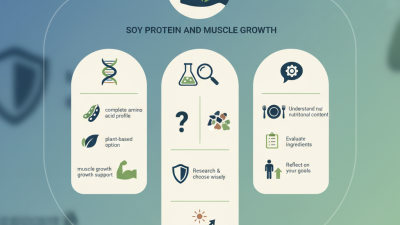
Organic soy protein powder offers numerous health benefits, particularly for muscle growth and recovery. Rich in amino acids, it serves as a perfect plant-based protein source. Incorporating soy protein into your diet can enhance muscle development. This is crucial for those engaged in regular workouts or strength training programs.
One of the key roles of soy protein is its ability to aid recovery. After intense workouts, muscles need repair. Soy protein helps accelerate this process, reducing muscle soreness. Some athletes find it assists in maintaining energy levels. However, not everyone experiences the same benefits. For some, it may take time to notice improvements in recovery.
While soy protein can be beneficial, it's essential to consider individual responses. Some might encounter digestive issues or allergies. Listening to your body is crucial. Experimentation may be necessary to determine its efficacy for your goals. Finding the right balance can lead to positive outcomes in your fitness journey.
Role in Weight Management and Nutritional Balance
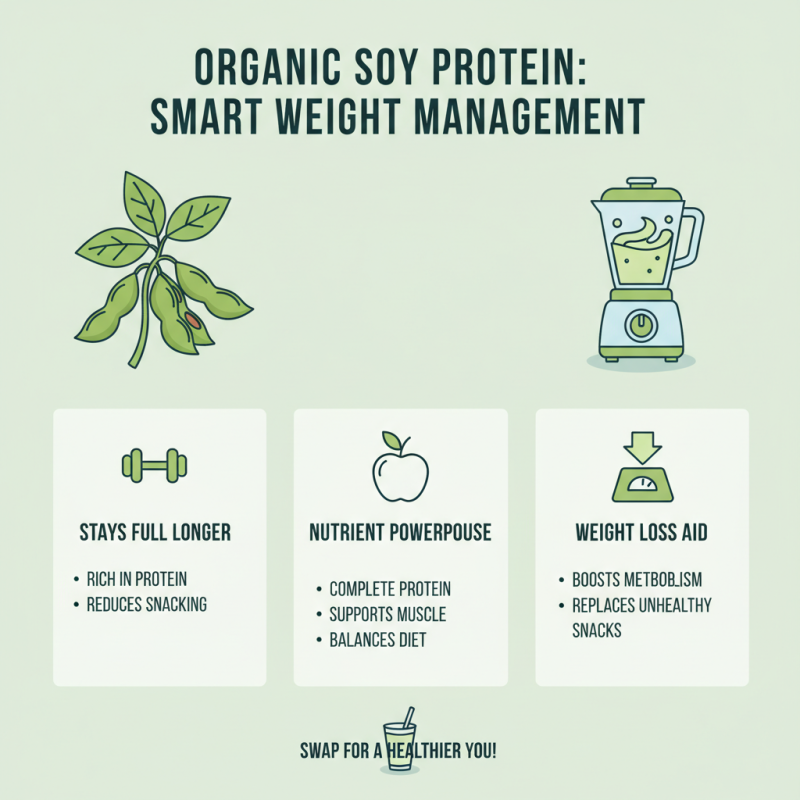
Organic soy protein powder plays a significant role in weight management and maintaining nutritional balance. It's rich in protein, which helps keep you full longer. This satiety can prevent unnecessary snacking, a common pitfall for many. Imagine swapping processed snacks for a smoothie loaded with this protein. The difference in weight loss could be notable.
In addition to helping control appetite, organic soy protein powder is versatile. You can mix it in smoothies, oatmeal, or even baked goods. However, it's important to remember not to overdo it. Some may experience digestive discomfort if too much is consumed at once. Listening to your body is crucial here. Finding the right amount takes experimentation and reflection.
Furthermore, incorporating this protein into your diet can enhance nutritional balance. It provides essential amino acids that promote muscle repair. Yet, some individuals may struggle to get enough variety in their meals. Relying solely on one source of protein, like soy, can lead to nutrient gaps. Diversifying your protein sources is essential for overall health. Balancing is key in achieving fitness goals while ensuring overall well-being.
Potential Allergen Considerations and Dietary Safety
When considering organic soy protein powder, potential allergens are a key factor. Soy is a common allergen. For some, even a small amount can lead to serious reactions. Individuals with a soy allergy should proceed with caution. Symptoms can vary from mild to severe, including hives, digestive problems, and respiratory issues.
Dietary safety is essential, especially for those with sensitivities. It’s crucial to read labels carefully. Look for certified organic options to ensure purity. Cross-contamination can happen during processing, increasing the allergy risk. Some may experience digestive discomfort from soy products. This can be frustrating and may deter individuals from incorporating soy protein into their diets.
Monitoring your body’s reactions is important. Everyone reacts differently to soy. Some thrive on it; others struggle. If any adverse reactions occur, it’s essential to consult a healthcare provider. Exploring alternatives might be necessary for some. Ultimately, understanding personal health needs is vital when incorporating new supplements.
Top 10 Benefits of Organic Soy Protein Powder for Health and Fitness
The chart above illustrates the top 10 benefits of organic soy protein powder, showcasing its effectiveness in various health aspects. Each benefit is rated on a scale from 0 to 100, representing its potential impact on health and fitness.