Top 10 Benefits of Soy Protein Growth for Muscle Development?
In recent years, Soy Protein Growth has gained attention in the fitness community. Athletes and health enthusiasts are discovering its potential benefits for muscle development. This plant-based protein source offers a range of advantages that are worth exploring.
Many studies suggest that soy protein can enhance muscle gain and support recovery after workouts. Its amino acid profile is comparable to animal proteins, making it a reliable option for muscle building. Additionally, soy protein is easily digestible, providing the necessary nutrients for muscle repair.
Incorporating soy into your diet is simple. From shakes to protein bars, there are numerous ways to enjoy it. However, individual responses can vary, and it's essential to consider personal dietary needs. While many appreciate the benefits, some may question its effects. Further research is needed to fully understand its impact on various populations. Embracing soy protein growth can be a positive step, but it's crucial to balance it with other nutrients for optimal results.

Understanding Soy Protein: An Overview of Its Composition and Types
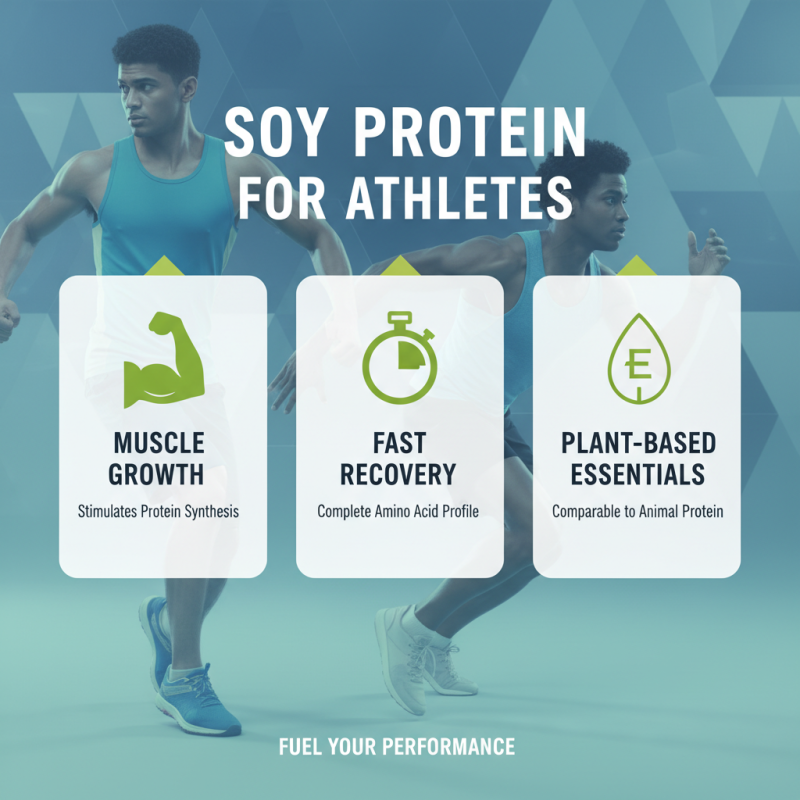
Soy protein is a significant player in muscle development due to its rich composition. It contains all essential amino acids, crucial for muscle repair and growth. According to the Journal of Nutrition, soy protein can effectively stimulate muscle protein synthesis, comparable to whey protein. This makes it a valuable option for athletes and fitness enthusiasts who prefer plant-based sources.
There are different types of soy protein, including isolates, concentrates, and textured soy protein.
Soy protein isolate is the most refined, containing about 90% protein and minimal fats and carbohydrates.
Soy protein concentrate contains around 70% protein and retains some fiber. While textured soy protein is often used as a meat substitute, it's important to consider the nutritional profile. Some studies suggest that excessive consumption of soy might lead to digestive issues in certain individuals. Thus, moderation and variety in protein sources are important.
Research indicates that athletes may benefit from incorporating soy protein into their diets. A study published in the American Journal of Clinical Nutrition reported that daily supplementation could enhance muscle recovery. However, individual responses can vary. Not everyone may experience the same level of benefits from soy protein. It's essential to listen to one's body and adapt dietary choices accordingly.
The Role of Soy Protein in Muscle Protein Synthesis
Soy protein has gained attention in recent years for its role in muscle development. It is rich in essential amino acids, which are vital for muscle protein synthesis (MPS). Research shows that soy protein can effectively stimulate MPS similarly to other protein sources. A study published in the Journal of Nutrition found that soy protein significantly enhances muscle recovery after resistance training.
Despite its benefits, some individuals question its effectiveness compared to whey protein. While whey is often praised for its rapid absorption, soy protein offers a slower, sustained release of amino acids in the bloodstream. This prolonged effect may help maintain muscle synthesis over time. Thus, incorporating soy protein into your diet can be beneficial, particularly for those opting for plant-based nutrition.
Tips: Consider including a variety of protein sources in your diet. This approach not only enhances muscle development but also ensures a well-rounded intake of nutrients. Experiment with different recipes to find enjoyable ways to use soy protein. Remember, muscle development takes time and consistency—focus on gradual progress rather than immediate results.
Comparative Analysis: Soy Protein vs. Animal-Based Proteins
When examining soy protein versus animal-based proteins, several factors come into play. Soy protein is a complete protein, providing all essential amino acids. According to the American Journal of Clinical Nutrition, soy protein can significantly boost muscle growth in individuals, especially when combined with resistance training.
In contrast, animal-based proteins, such as whey and casein, have long been praised for their rapid absorption rates. A study conducted by the Journal of Nutrition found that these proteins might facilitate quicker recovery post-exercise. However, soy protein offers additional health benefits, including lower cholesterol levels and improved heart health. Research indicates that incorporating soy may lower the risk of heart disease by up to 15%.
While some may argue animal-based proteins yield quicker results, there's a growing body of evidence suggesting soy protein supports muscle development effectively. Yet, soy is not without potential downsides. For instance, some people may experience digestive issues. Additionally, the phytoestrogens in soy can raise concerns regarding hormonal balance. Finding the right balance in protein sources is crucial for optimal muscle development.
Top 10 Benefits of Soy Protein Growth for Muscle Development
| Benefit |
Soy Protein |
Animal-Based Proteins |
| Muscle Growth |
Supports muscle growth effectively. |
High in essential amino acids for muscle repair. |
| Digestibility |
Easily digestible for many individuals. |
Can be harder to digest for some. |
| Cholesterol-Free |
Naturally free from cholesterol. |
Can contain high levels of cholesterol. |
| Plant-Based |
Provides a sustainable protein source. |
Often has a larger environmental impact. |
| Nutrient Dense |
Rich in vitamins and minerals. |
Rich in proteins but may lack certain nutrients. |
| Amino Acid Profile |
Contains complete amino acids. |
High-quality amino acids and BCAAs. |
| Allergen-Friendly |
Less likely to cause allergies (with exceptions). |
Can trigger allergies (e.g., dairy, eggs). |
| Weight Management |
Aids in weight management strategies. |
Supports muscle upkeep but varies by source. |
| Cost-Effective |
Generally more affordable. |
Can be more expensive depending on type. |
| Versatile Use |
Can be used in many recipes and supplements. |
Widely used in meals and protein powders. |
Incorporating Soy Protein into Your Diet for Optimal Muscle Growth
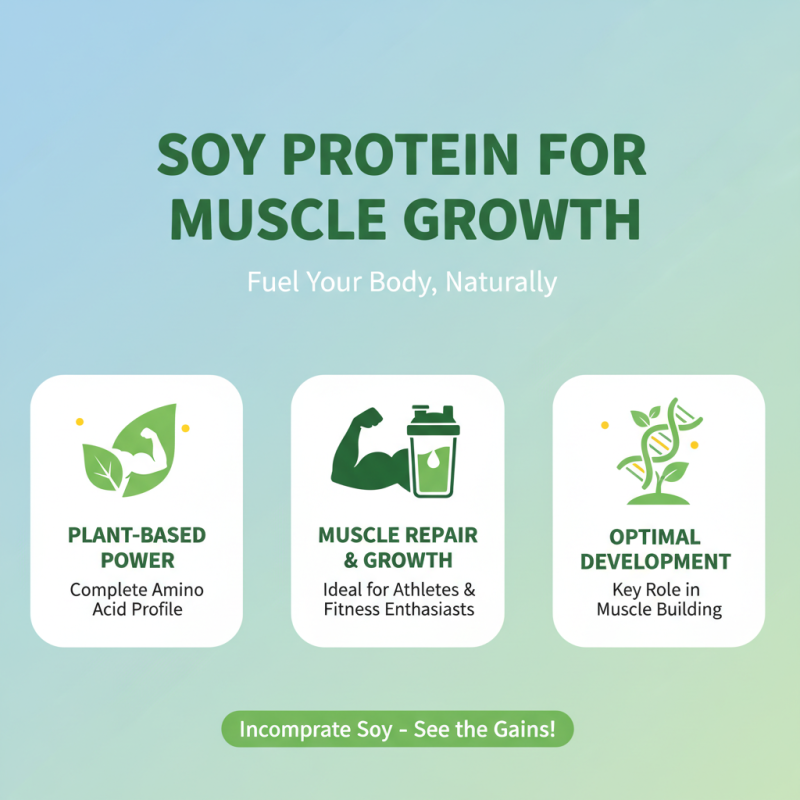
Incorporating soy protein into your diet can play a vital role in muscle development. Many athletes and fitness enthusiasts are turning to soy as a key protein source. It’s not only plant-based but also offers a complete amino acid profile. This makes soy protein a strong contender for muscle repair and growth.
Soy protein is versatile. You can add it to smoothies, oatmeal, or even bake it into snacks. By doing so, you can ensure that you're fueling your body effectively after workouts. Many find it easy to digest, which can be a concern with some animal proteins. However, it’s important to monitor how your body reacts. Some individuals may experience digestive discomfort, so gradual incorporation is wise.
Listening to your body is crucial in any diet. While soy protein has many benefits, it’s also essential to balance it with other nutrients. By diversifying your protein sources, you can support muscle growth more effectively. Experiment with different combinations and be open to adjustments. This mindful approach can enhance your overall muscle development journey.