10 Best Protein Powders With Iron for Optimal Health and Muscle Growth
The role of protein in our diet is crucial for muscle repair and growth, especially for athletes and those engaged in regular physical activity. As we look toward 2025, the demand for high-quality protein supplements is set to increase exponentially, with the global protein supplements market projected to reach $32 billion by 2027, according to a report by Mordor Intelligence. Amidst this growing market, protein powders fortified with iron are emerging as a vital choice for consumers seeking to optimize their nutritional intake.
Iron is an essential mineral that plays a significant role in oxygen transport and energy production in the body. However, many individuals, including athletes, often fail to meet their daily iron requirements. The Institute of Medicine recommends that adult men and women consume 8 mg and 18 mg of iron per day, respectively, yet studies reveal that around 30% of the population may fall short of these guidelines. This deficiency can hinder performance and recovery, making protein powders with added iron an attractive solution for those looking to enhance their overall health and muscle growth.
In light of these statistics, this article explores the ten best protein powders with iron available in the market. We will analyze their nutritional profiles, ingredient quality, and effectiveness to help you make informed decisions that align with your health and fitness goals. With the right protein powder, you can not only meet your protein needs but also ensure you are adequately fueled with iron to support your active lifestyle.
Overview of Protein Requirements for Muscle Growth and Iron Needs in Diet
Protein is essential for muscle growth as it provides the building blocks necessary for muscle repair and synthesis. For those engaged in regular strength training or intense physical activities, the protein intake should be tailored to support their specific needs. Generally, athletes and those looking to gain muscle mass may require about 1.6 to 2.2 grams of protein per kilogram of body weight. This requirement emphasizes the importance of integrating high-quality protein sources, which can come from both animal and plant-based foods.
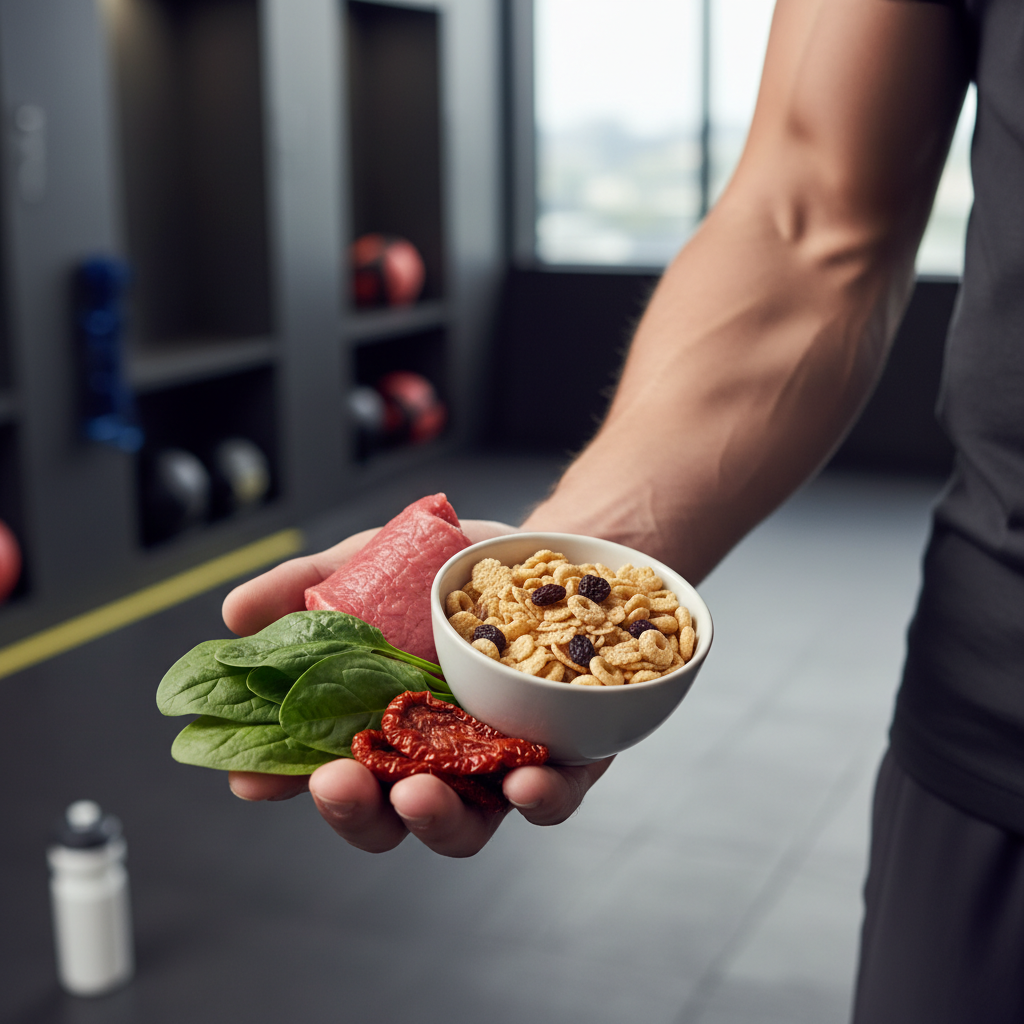
Iron, on the other hand, plays a critical role in overall health and energy levels, particularly for individuals who engage in strenuous workouts. Iron is vital for the production of hemoglobin, which carries oxygen to the muscles and other tissues. A deficiency in iron can lead to fatigue and impaired performance, hindering muscle growth. Athletes should aim to meet their iron needs through a balanced diet that includes sources such as lean meats, legumes, and fortified foods. Combining protein-rich foods with those high in iron can maximize both muscle development and overall well-being, making it essential to choose protein powders that also contain sufficient iron.
Impact of Iron Deficiency on Athletic Performance and Recovery
Iron deficiency is a significant concern among athletes, impacting both performance and recovery. Research indicates that approximately 25% of the world's population is affected by iron deficiency, with athletes being particularly vulnerable due to increased demands on their bodies during intense training and competition. A study published in the Journal of Sports Medicine reported that iron deficiency can lead to reduced endurance, increased fatigue, and impaired immune function, which are crucial for athletes striving for optimum performance. Low iron levels can reduce hemoglobin production, consequently diminishing oxygen transport to muscles and limiting overall athletic output.
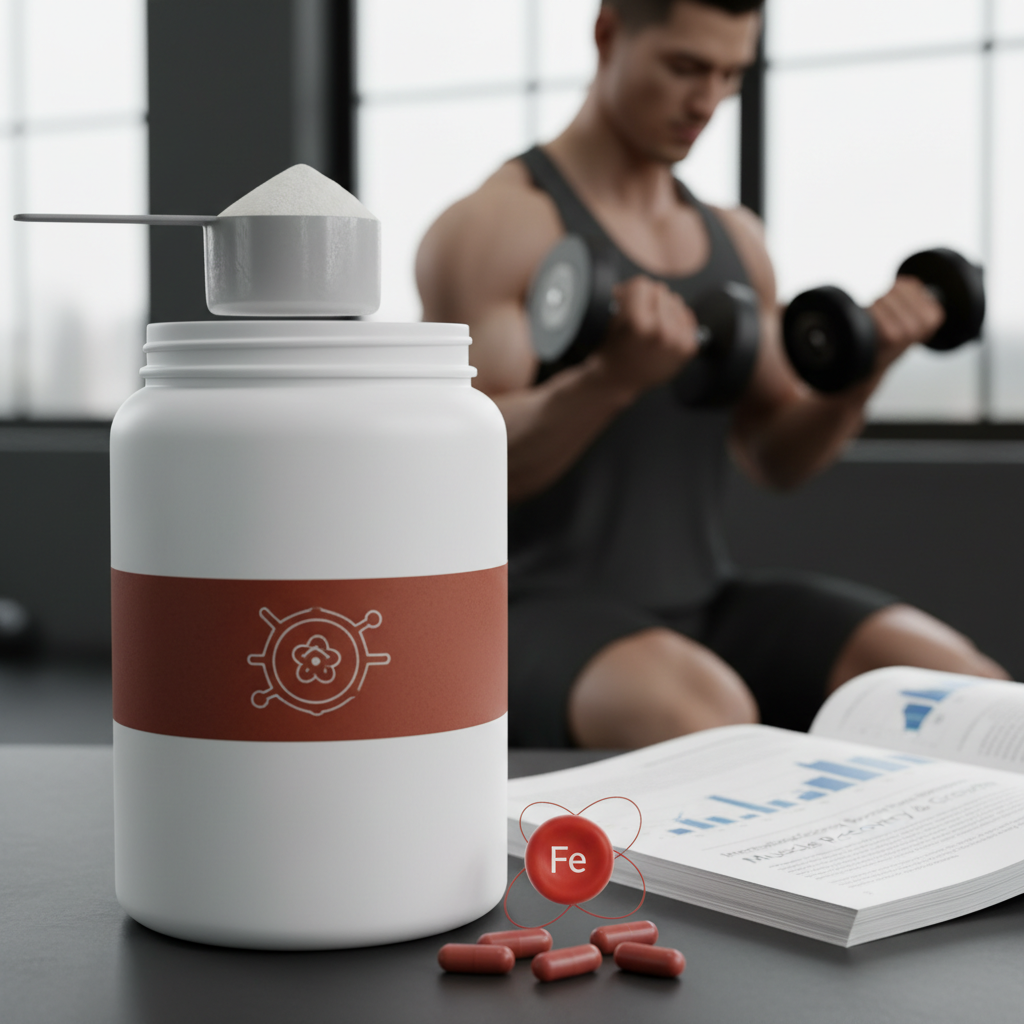
Furthermore, iron deficiency can hinder post-exercise recovery. According to a report by the American College of Sports Medicine, athletes with insufficient iron stores may experience prolonged muscle soreness and slower recovery times, which can disrupt training schedules and performance progression. In response, incorporating protein powders that are fortified with iron can be an effective strategy for athletes to meet their nutritional requirements. A balanced diet, complemented by high-quality protein sources with added iron, can support not only athletic performance but also enhance recovery, ultimately contributing to overall athletic health and muscle growth.
Comparison of Different Sources of Protein Powders with Iron Content
When selecting protein powders enriched with iron, it's essential to evaluate the different sources available on the market.
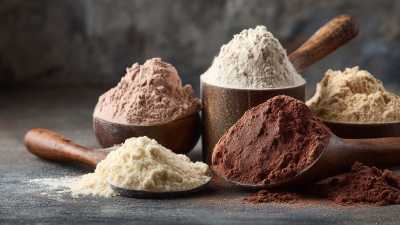
Whey protein is among the most popular choices, known for its high biological value and rich amino acid profile. However, while it contains some iron, it might not suffice for individuals with higher iron needs.
Plant-based options, such as pea or brown rice protein, often come with additional iron content. These options also cater to vegans and those with lactose intolerance, making them versatile alternatives.
Tips for choosing the right protein powder include checking the nutrition label for iron content, particularly if you have dietary restrictions. Look for products that combine different protein sources to ensure a complete amino acid profile while also providing adequate iron.
Additionally, consider your protein needs based on workout intensity and dietary habits, which can help you determine the best powder for your muscle growth and overall health.
Experiment with different protein powders to find one that suits your taste and texture preferences. Incorporating protein powders into smoothies, oatmeal, or energy bars can enhance your daily iron intake while providing the necessary protein for muscle recovery.
Don't hesitate to consult a nutritionist for personalized advice tailored to your specific health goals.
Top 10 Protein Powders: Nutritional Breakdown and Unique Features
When selecting a protein powder with iron, it’s essential to consider the
nutritional breakdown and unique features of each product. According to a report published by the
International Society of Sports Nutrition, protein powders can
significantly enhance muscle recovery and growth. A study showed that athletes incorporating protein supplements
experienced up to 25% greater muscle gain
compared to those relying solely on food sources. This emphasizes the importance of not only the protein
content but also additional nutrients like iron, which is crucial for oxygen transport in the blood.
For optimal health, many leading protein powders combine whey or plant-based proteins with iron.
For instance, a recent analysis found that plant-based protein powders,
such as pea and brown rice protein, can provide an excellent amino acid profile while also contributing iron
— crucial for vegetarians and vegans who may struggle to meet their iron needs. Products with additional ingredients,
like vitamins and minerals, further enhance their nutritional profiles, catering to those looking for
comprehensive supplementation. Reports indicate that consumers are increasingly seeking out protein powders that
not only support muscle growth but also contribute to overall health, making these unique features a significant
consideration in their purchasing decisions.
Consumer Considerations: Flavor, Mixability, and Cost-effectiveness in Protein Powders
When selecting a protein powder enriched with iron, it's essential to consider several consumer factors to ensure you find the best option for your needs. Flavor plays a significant role, as the taste can influence your consistency in using the product. Many brands offer a variety of flavors, ranging from chocolate to vanilla and even unique combinations like salted caramel. Experimenting with different flavors can help you find one that you genuinely enjoy, making your protein intake feel less like a chore.
Mixability is another critical aspect to keep in mind. A protein powder that blends smoothly into liquids won’t only enhance your drinking experience but will also ensure you are getting the full nutritional benefits without any clumps or grit. Many modern protein powders are specifically formulated to mix easily in water or milk, making it easier to incorporate into smoothies or shakes.
Cost-effectiveness should not be overlooked. While high-quality protein powders may carry a higher price tag, evaluating the serving size and the amount of protein per serving can help you assess the true value. Look for products that provide a sufficient amount of protein along with iron without breaking the bank. Always consider your budget and how often you plan to use the product to find a sustainable option that provides both nutritional value and financial sense.
Tips: When shopping for protein powders, consider purchasing sample sizes to test flavors and mixability before committing to a full-sized product. Additionally, read customer reviews to gain insight into the experiences of others regarding taste and dissolvability.