Leave Your Message
Choosing the best Soy Protein Isolate in 2026 is not as simple as picking the highest protein number on a label. A scoop may look impressive, yet taste chalky in cold water or leave a gritty layer at the bottom of a shaker. Small details matter.
Soy nutrition researcher Dr. Mark Messina has described soy protein as a high-quality protein. That perspective helps set a sensible baseline: compare products by protein per serving, ingredient transparency, flavor, and how well they mix. Check the label, too. Some powders add sweeteners, gums, or flavorings that may not suit every buyer.
There is no single winner for everyone. Athletes may prioritize protein content and convenient serving sizes; others may care more about mild flavor, price, or minimal ingredients. A tub that works well in a smoothie can disappoint in plain water. And, honestly, a clean label does not guarantee a pleasant drink.
This guide compares leading options using practical criteria, including nutrition facts, product details, and everyday usability. It also notes where available evidence is limited, because product claims do not always answer the questions shoppers actually have. The aim is a clear, fair comparison—not a perfect powder for every person.
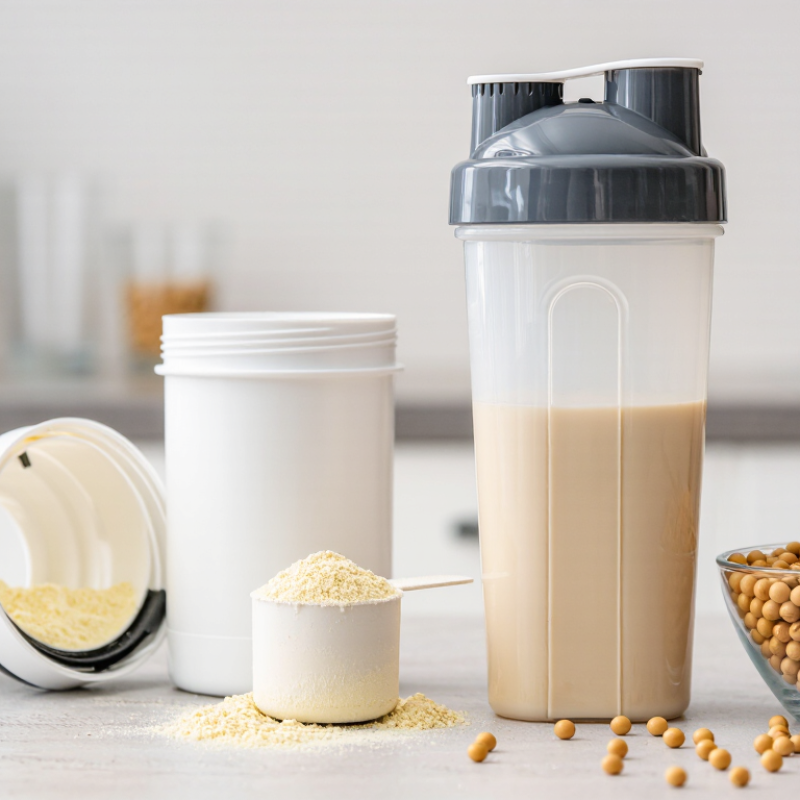
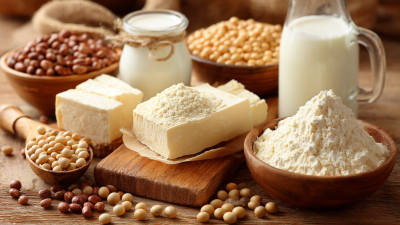
Soy protein isolate begins with soybeans that are cleaned, dehulled, and processed to remove most of their oil. The remaining material is milled into defatted soy flour. It looks pale and fine, but it is only an intermediate. The protein still needs to be separated from much of the fiber and carbohydrate.
Processors typically mix the flour with water and adjust the pH so soy proteins dissolve. Insoluble material is then removed. Next, the liquid is acidified near the proteins’ isoelectric point, causing them to gather into a curd-like solid. That protein-rich material is washed, brought closer to a neutral pH, and dried, often by spray drying. The powder is usually around 90% protein on a dry-weight basis, although specifications can differ.
The steps sound simple. The details matter. Temperature, pH, and drying conditions can affect how well the powder dissolves, its texture, and its beany flavor. A fine powder in a scoop may have passed through several wet-processing stages before it reached that form. Processing descriptions also vary by manufacturer, so the word “isolate” does not tell the whole story. Checking the ingredient list and nutrition panel can clarify what is actually in a particular product.
| Dimension | Typical Fact or Process | Why It Matters When Choosing |
|---|---|---|
| What soy protein isolate is | A concentrated soy ingredient made by separating most of the protein from defatted soybeans. In the United States, the regulatory definition requires at least 90% protein on a moisture-free basis. | Check the nutrition panel and serving size. Protein per serving can differ even when products use the same ingredient type. |
| Starting material | Typically defatted soy flakes or flour, produced from soybeans after most of their oil has been removed. | Defatted material allows manufacturers to extract and concentrate the protein without the original bean’s full oil content. |
| Protein extraction | The soy material is mixed with water, and an alkaline solution is commonly used to dissolve much of the protein into the liquid phase. | Extraction conditions affect yield and functional properties, such as how well the ingredient disperses or emulsifies. |
| Protein precipitation | The extract is acidified to around pH 4.5, near the isoelectric point of many soy proteins, causing much of the protein to separate from the liquid. | This is a key concentration step. The resulting protein curd is separated from much of the soluble carbohydrate and other material. |
| Neutralization and drying | The separated protein is generally washed, adjusted to a suitable pH, and dried into a powder. Spray drying is a common industrial drying method. | Processing and drying can affect flavor, dispersibility, and performance in drinks, baked goods, and other foods. |
| Protein quality | Soy protein provides all nine essential amino acids. Its quality can be assessed using measures such as PDCAAS or DIAAS, which account for amino-acid composition and digestibility in different ways. | For a balanced comparison, consider the full amino-acid profile and the serving’s protein amount—not just the ingredient name. |
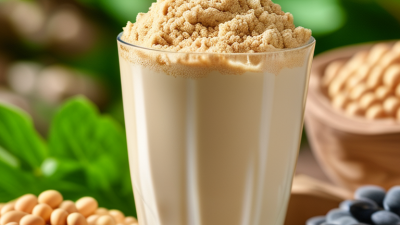
| Flavor and texture | Plain soy isolate may have a beany or earthy flavor. Taste and texture vary with processing and with added flavors, sweeteners, or other ingredients. | For shakes, a small sample or an unflavored option can help determine whether the flavor and mouthfeel suit your preferences. |
| Solubility and mixing | Powder dispersion depends on processing, particle characteristics, formulation, and the liquid used. Soy protein isolate is not guaranteed to dissolve completely in cold liquid. | Look for product-specific mixing directions and reviews relevant to your intended use, such as smoothies or cooking. |
| Best choice for a shake | A product with a clearly stated protein amount per serving, a flavor you enjoy, and ingredients suited to your dietary needs. | There is no single best option for everyone; taste, nutrition, price, and tolerance are personal considerations. |
| Best choice for cooking | An unflavored product with manufacturer guidance for recipes, since protein powders can change moisture, texture, and browning in foods. | Test a small recipe first. A powder formulated for beverages may not behave like a specialty food ingredient. |
| Allergen and dietary considerations | Soy is a major food allergen in the United States. Ingredients and cross-contact statements vary by product and manufacturer. | People with a soy allergy should avoid soy protein isolate. Review the complete label for allergens and other dietary requirements. |
| Practical 2026 selection checklist | Compare protein per serving, serving size, ingredient list, flavor, mixing instructions, allergen information, and price per serving. | The most suitable soy protein isolate is the one that meets your nutritional needs, works for your intended use, and fits your preferences and budget. |