Leave Your Message

China Best Protein Powder Suppliers for Global Buyers?

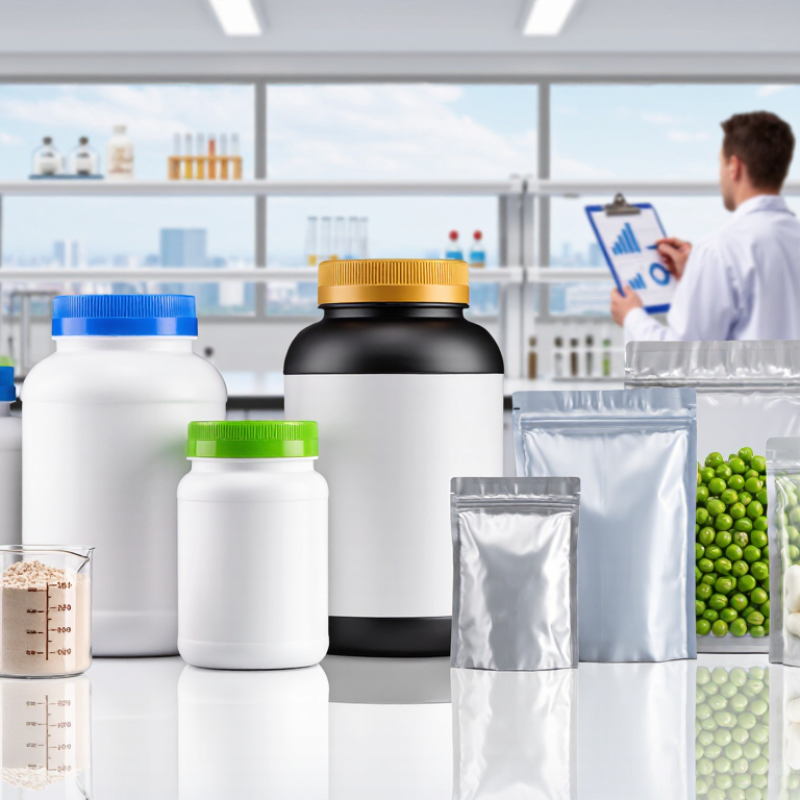
Choosing China’s best Protein Powder suppliers requires more than comparing factory prices. Global buyers must examine formulation quality, testing systems, certifications, and export experience. A bright showroom proves little. A batch record, however, can reveal much.

The global protein supplements market continues to expand. Grand View Research estimated its value at approximately USD 5.83 billion in 2023, with continued growth expected through 2030. The International Food Information Council’s 2024 Food and Health Survey also showed sustained consumer interest in protein-rich foods and beverages. These figures suggest opportunity, but they do not guarantee supplier reliability. Market reports use different definitions, samples, and forecasting methods. That weakness deserves attention.

Dr. Stuart Phillips, a leading protein-metabolism researcher at McMaster University, has said, “Protein is not just a nutrient; it is a signal.” His work helps explain why protein source, amino-acid profile, serving size, and digestibility matter. Buyers should therefore compare whey, plant, collagen, and blended formulas on evidence, not marketing language. Look for current certificates of analysis, heavy-metal screening, microbiological results, allergen controls, and traceable raw materials. Ask who performs each test.

Details matter. A trustworthy supplier can explain the lot number printed beside the seal. It can also provide realistic lead times, packaging options, and complaint-handling procedures. Not every large manufacturer is the right partner. Smaller factories may offer flexibility, yet weaker documentation can create avoidable risk. This guide evaluates leading Chinese Protein Powder suppliers through a practical buyer’s lens, while recognizing that rankings can change after audits, samples, and independent testing. Verify before committing.
China Best Protein Powder Suppliers for Global Buyers?

Types of Protein Powder Suppliers in China

China Best Protein Powder Suppliers for Global Buyers?

Types of Protein Powder Suppliers in China

Chinese protein powder suppliers generally fall into several practical categories. Factory-direct manufacturers produce whey, soy, pea, rice, or blended powders in large batches. They often provide better production visibility and flexible packaging options. Their facilities may include mixing rooms, metal detectors, and controlled storage areas. Ask for recent production records, not only polished brochures.

Contract manufacturers suit buyers who need custom formulas, flavors, serving sizes, or private packaging. They can adjust sweetness, protein content, and solubility after sample testing. However, small changes may increase minimum order quantities. I have seen promising samples fail during scale-up. Pilot batches matter.

Trading companies connect overseas buyers with several factories. They may help with communication, export documents, and product selection. Yet their factory access can be limited. Specialized ingredient suppliers focus on single proteins or functional blends. Request a clear certificate of analysis for each batch, including protein percentage, microbiological results, heavy metal limits, allergen information, and production dates. Verify whether an independent laboratory issued the report.

A reliable supplier also explains traceability from raw material intake to sealed cartons. Check audit records and quality certifications carefully. Certificates alone prove little. Confirm testing frequency, complaint handling, and storage conditions. A low quotation can hide weaker testing or inconsistent raw materials. That deserves reflection. The best supplier is not always the largest; it is the one that documents its process and answers difficult questions precisely.
How to Evaluate Chinese Protein Powder Manufacturers

China Best Protein Powder Suppliers for Global Buyers?

Global demand makes supplier evaluation more important than price comparison. Grand View Research valued the global protein supplements market at about USD 6.4 billion in 2023, with continued growth expected through 2030. Mordor Intelligence also identifies sports nutrition and convenient powdered formats as major demand areas. For global buyers, these figures suggest opportunity, but not automatic reliability.

Ask each Chinese manufacturer for recent certificates, product specifications, and batch-level Certificates of Analysis. Check protein content, amino acid profiles, heavy metals, microbiological limits, allergens, and pesticide residues where relevant. ISO 22000, HACCP, and GMP systems are useful signals, but certificates alone prove little. Confirm their issuing bodies and audit dates. Request a factory video or an independent on-site audit. Look at raw-material receiving areas, stainless-steel blending equipment, warehouse humidity, and finished-goods labeling.

Traceability matters.

A dependable supplier should identify each batch from incoming material to shipment. Compare laboratory methods, not only test results. Verify whether testing occurs internally or through an accredited third-party laboratory. Review minimum order quantities, lead times, packaging controls, and export documentation before approving samples. I would not choose the lowest quotation without checking yield and rework records. One weakness in my own screening is relying too heavily on documents; a strong sample can still hide inconsistent production. Repeat testing and a small trial order remain sensible. fabless sourcing is tempting, but factory capability deserves direct evidence.

Key Certifications for Global Protein Powder Buyers

Global protein powder buyers should treat certification checks as a practical quality filter, not a paperwork exercise.

A supplier may hold GMP, HACCP, ISO 22000, or FSSC 22000 certification. Each document should show the certified site, product scope, issue date, and certification body.

An expired certificate is a serious warning.

Request a recent certificate of analysis for every production batch. It should identify protein content, moisture, microbiological results, heavy metals, and allergen controls.

For whey, plant, or blended powders, testing should match the formula and destination market. Independent laboratory reports add confidence, especially when results include batch numbers and testing methods.

The details matter.

Traceability is equally important. Ask how the supplier records raw material lots, mixing dates, packaging codes, and retained samples.

A reliable factory should explain what happens after a complaint, including investigation and recall procedures. Some suppliers provide polished certificates but weak records. That gap deserves attention.

Certifications also do not guarantee perfect flavor, solubility, or delivery performance.

Buyers should inspect samples, verify documents with the issuing body, and arrange periodic audits when order volume justifies the cost. Local import rules may require additional registration, labeling, or testing, so global buyers should confirm requirements before signing a purchase contract.

Private Label, Custom Formulas, and Minimum Order Quantities

China remains a practical sourcing base for protein powder, especially when buyers need private label production. Grand View Research valued the global sports nutrition market at about USD 44.4 billion in 2023. This growth increases demand for flexible suppliers, not only large factories. Private label projects may begin with stock formulas and custom packaging. Typical minimum order quantities range from 100 to 500 units for standard products. Custom formulas often require 1,000 to 5,000 units, depending on ingredients, flavor development, and packaging.

Customisation requires more than adding a logo. Buyers should request a complete ingredient specification, nutrition panel, allergen statement, certificate of analysis, and batch traceability records. Testing should cover protein content, microbiological safety, heavy metals, and prohibited substances. The Global Food Safety Initiative highlights supplier verification and documented controls as important parts of food safety systems. A professional supplier should also explain formula ownership, sample approval, shelf-life testing, and label compliance for the destination market.

The cheapest quote can hide expensive revisions. I have seen low-MOQ projects fail because the packaging minimum exceeded the powder minimum. That detail matters. Buyers should compare the full landed cost, including testing, artwork, tooling, freight, and rejected samples. Mordor Intelligence reports continued expansion in the sports nutrition sector, but market growth does not remove quality risks. A better sourcing decision combines factory audits, independent laboratory results, realistic MOQs, and written acceptance criteria. Supplier claims still need checking.

China Best Protein Powder Suppliers for Global Buyers? - Private Label, Custom Formulas, and Minimum Order Quantities
Supplier Category Common Protein Formats Private Label Availability Custom Formula Capability Typical MOQ for Stock Formula Typical MOQ for Custom Formula Common Packaging Options Typical Production Lead Time Export Documentation Commonly Available Best Suited For
Large contract manufacturer Whey concentrate, whey isolate, casein, plant protein, mass gainer Yes Broad formulation, flavor, sweetener, and nutrition-panel customization 500–1,000 kg or approximately 2,000–4,000 retail units 1,000–3,000 kg, depending on ingredients and packaging Plastic tubs, stand-up pouches, sachets, stick packs 25–45 days after artwork and formula approval Commercial invoice, packing list, certificate of analysis, ingredient specification, certificate of origin Established importers, sports-nutrition distributors, and multi-market launches
Mid-sized private-label manufacturer Whey blends, plant blends, collagen protein, meal-replacement powders Yes Moderate customization using approved ingredients and existing processing systems 300–500 kg or approximately 1,200–2,000 retail units 500–1,500 kg Pouches, jars, sachets, custom printed bags, labels 20–40 days after final approval Certificate of analysis, allergen statement, product specification, packing list, invoice Online brands, regional distributors, and first commercial orders
Small-batch specialist Plant protein, vegan blends, collagen-based powders, functional protein mixes Usually Limited to selected flavors, active ingredients, and standard packaging formats 100–300 kg or approximately 400–1,200 retail units 300–800 kg Stock pouches, standard tubs, labels, sachets subject to availability 15–35 days after formula confirmation Certificate of analysis, ingredient list, allergen declaration, commercial invoice New brands, test launches, specialty retailers, and regional markets
Bulk ingredient supplier with packing service Whey concentrate, whey isolate, milk protein, pea protein, soy protein Limited Basic blending and flavoring; advanced formula development may require a third party 500–2,000 kg, often sold in bulk bags Usually subject to separate formulation and processing requirements 25 kg multi-wall bags, bulk sacks, basic retail pouches 15–30 days for available materials Certificate of analysis, technical data sheet, allergen statement, certificate of origin where applicable Manufacturers, repackers, food-service buyers, and high-volume importers
Functional nutrition manufacturer Protein plus vitamins, minerals, fiber, probiotics, creatine, or botanical ingredients Yes High capability, subject to ingredient legality, stability, and market-specific labeling rules 500–1,000 kg 1,000–3,000 kg Tubs, pouches, sachets, single-serve sticks, multi-ingredient blends 30–60 days, including testing and stability checks Certificate of analysis, stability or shelf-life data, allergen statement, ingredient specifications, batch records when agreed Specialized products, clinical-nutrition channels, and premium functional brands
Ready-to-export OEM manufacturer Standard whey, plant protein, mass gainer, and sports recovery formulas Yes Usually based on an existing formula with controlled adjustments 300–1,000 kg 800–2,000 kg Retail tubs, pouches, labels, cartons, and export pallets 20–45 days after packaging approval Commercial invoice, packing list, certificate of analysis, product specifications, shipping documents Global buyers seeking a straightforward private-label launch
Buyer note: The MOQ and lead-time figures are typical industry ranges for China-based protein powder manufacturing and are not quotations from named companies. Actual requirements vary according to protein source, ingredient availability, flavor, testing, packaging material, destination-market regulations, order volume, and whether the formula is stock or fully customized. Buyers should request a current specification sheet, batch certificate of analysis, allergen statement, and applicable food-safety or quality certificates before placing an order.

How to Select and Import the Right Chinese Supplier

Selecting a Chinese protein powder supplier requires more than comparing price lists. Start with the product specification. Define protein source, serving size, flavor, sweetener, allergen controls, packaging, and target market requirements. Ask for the business license, production scope, food safety certificates, recent audit records, and batch-level certificates of analysis. A certificate should match the actual factory and product. Check it. Contact the issuing laboratory when results seem unclear.

Request samples from a normal production batch, not a specially prepared trial. Test protein content, microbiology, moisture, heavy metals, and undeclared allergens through an independent laboratory. Review the powder’s solubility after shaking it in cold water. Inspect the seal, label accuracy, lot code, and carton strength. A clean sample can still hide weak controls. I have learned that confident sales language is not evidence. Video calls help, but an on-site audit or qualified inspection gives stronger assurance.

Before importing, confirm the destination country’s labeling, registration, ingredient, and documentation rules. Use a written specification and quality agreement covering tolerances, rejected goods, recalls, change notification, and complaint response times. Clarify MOQ, lead time, payment milestones, Incoterms, loading photos, and responsibility for customs documents. Ask a customs professional to verify the tariff classification. It may differ. Start with a modest shipment. This limits exposure while you measure delivery accuracy and product consistency. Do not choose the cheapest quotation automatically. A supplier that answers difficult questions clearly is usually easier to manage, though no partner is perfect. Keep reviewing them.