Why Choose Soy Protein Shakes for Your Fitness Goals?
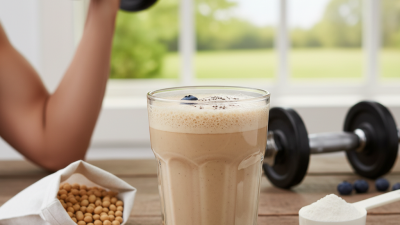
In the quest for fitness, choosing the right protein source is crucial. Soy Protein Shakes offer numerous benefits that align with fitness goals. According to a report by the International Journal of Sport Nutrition and Exercise Metabolism, soy protein can effectively support muscle growth and recovery. This makes it a popular choice among athletes and health enthusiasts alike.
Research indicates that soy protein contains all essential amino acids. Additionally, it is a great source of isoflavones, which can enhance recovery. Studies have shown that those who integrate Soy Protein Shakes into their routine experience improved muscle strength and performance. Moreover, they are suitable for vegans and those with dairy sensitivities.
Yet, it's essential to note that not everyone may see the same results. Some individuals might not respond to soy proteins as effectively as others. Personal dietary needs should always be considered. While Soy Protein Shakes are beneficial, they may not be the ultimate solution for everyone. It's crucial to approach any nutritional choice with mindfulness and awareness.
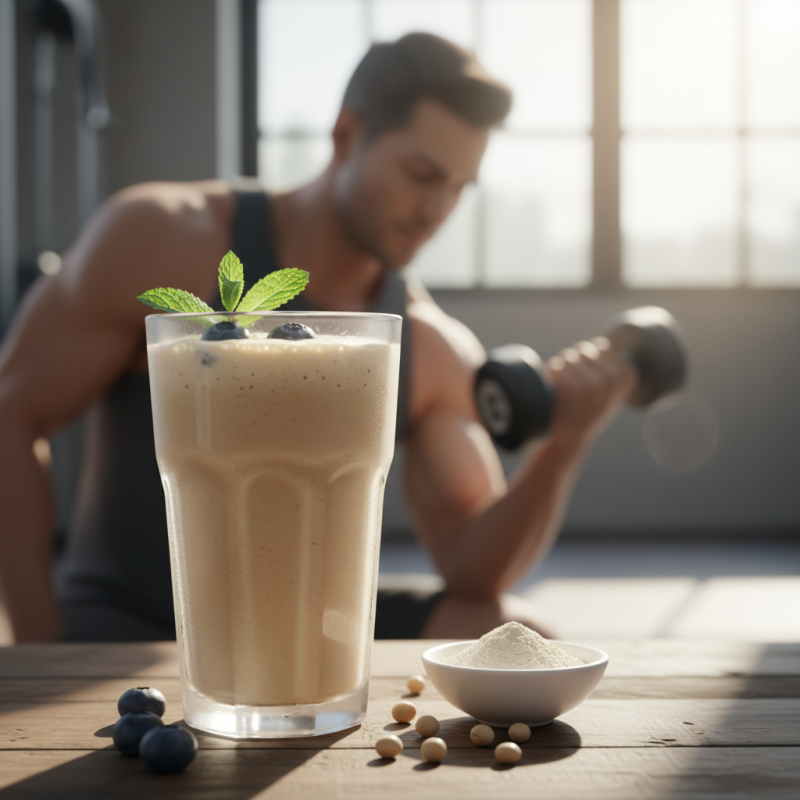
Benefits of Soy Protein for Muscle Building and Recovery
Soy protein is an excellent option for muscle building and recovery. Research indicates that it contains all essential amino acids, making it a complete protein. Studies show that soy protein can stimulate muscle protein synthesis effectively. In fact, a report from the Journal of Nutrition highlighted that soy protein can promote muscle growth similarly to whey protein.
Many athletes and fitness enthusiasts appreciate soy protein shakes for their recovery benefits. They help to reduce muscle soreness post-exercise. A study published in the American Journal of Clinical Nutrition found that soy protein supplementation reduced the markers of muscle damage. This results in faster recovery times, allowing individuals to train more frequently.
While soy protein shakes are beneficial, some may experience gastrointestinal discomfort. They can cause bloating or gas in certain individuals. It’s essential to listen to your body and assess how you respond to them. Despite these potential issues, the benefits of soy protein for muscle health are significant. It may take time to find the right balance in your diet.
Comparing Soy Protein to Other Protein Sources
When it comes to protein sources, soy protein stands out. It offers a complete amino acid profile. This makes it comparable to animal proteins, which are often considered the gold standard. Soy is plant-based, making it a great option for vegetarians and vegans. It’s also easy to digest.
Many people overlook soy protein. They often favor whey or casein instead. While these dairy proteins can be effective, not everyone can consume them. Lactose intolerance is common. Soy protein provides a lactose-free alternative that still packs a nutritional punch.
Taste and texture can be subjective. Some find soy protein shakes creamy and enjoyable. Others may notice a subtle bean flavor. Experimenting with different recipes can make a difference. Blending in fruits or spices can enhance the taste. Finding the right mix may take time and a few tries upfront. However, the health benefits of soy protein are worth exploring for diverse dietary needs.
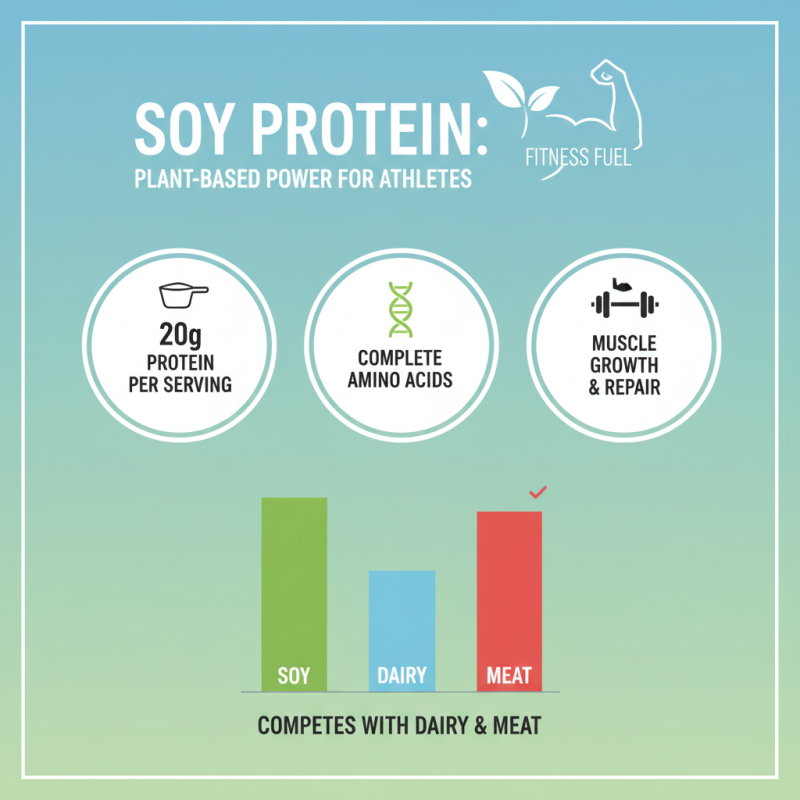
Comparison of Protein Sources for Fitness Goals
How Soy Protein Supports Weight Management and Satiety
When it comes to weight management, soy protein shakes offer significant benefits. These shakes are rich in nutrients and can keep you feeling full longer. This is key for those trying to maintain or lose weight. Research shows that protein can enhance feelings of satiety. This means you'll likely eat less throughout the day.
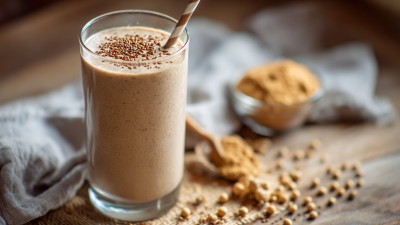
One popular tip is to replace sugary snacks with a soy protein shake. This simple switch can reduce your overall calorie intake. Pairing your shake with a piece of fruit can boost nutrition and add fiber. Additionally, consider having a shake before meals. This may help curb your appetite, making it easier to stick to portion sizes.
Soy protein is also versatile. You can blend it into smoothies or mix it with oatmeal. However, not all shakes are the same. Some may contain added sugars or fillers. Always check the ingredients to ensure you are making a healthy choice. Reflect on your own eating habits and make adjustments as needed.
Nutritional Profile of Soy Protein and Its Health Benefits
Soy protein is gaining attention in the fitness community. Its nutritional profile makes it a suitable option for many. Each serving offers around 20 grams of protein. This is vital for muscle repair and growth. Additionally, soy protein contains all essential amino acids. It is one of the few plant proteins that can compete with dairy and meat.
Many studies highlight soy’s health benefits. Research shows that soy protein can lower cholesterol levels by up to 10%. This reduction may support heart health and overall well-being. A report from the American Heart Association notes that soy intake is linked to a lower risk of cardiovascular disease. Furthermore, soy is rich in isoflavones, which may help regulate hormones and reduce menopausal symptoms.
However, not everyone responds the same way to soy. Some people may have allergies or sensitivities. Additionally, the debate around GMOs complicates the conversation. Soy is often genetically modified in production. This raises concerns for consumers looking for clean labels. Though soy protein has many benefits, it’s essential to consider individual dietary needs and preferences.
Choosing the Right Soy Protein Shake for Your Fitness Goals
When choosing a soy protein shake, consider your specific fitness goals. Not all soy protein shakes are created equal. According to the Protein Digestibility Corrected Amino Acid Score (PDCAAS), soy protein has a score of 1.0, similar to animal protein sources. This makes it a complete protein, beneficial for muscle repair and growth. Yet, the source of the soy and the processing method affect its quality.
Look for shakes that are non-GMO and minimally processed. Many products claim to be healthy, but often include additives or sugars. A report by the International Journal of Obesity found that high-sugar protein supplements can counteract weight loss. Pay attention to ingredient lists. If a shake has more than a few unfamiliar items, it may be worth skipping.
Also, consider the nutritional profile that aligns with your goals. For instance, a study found that diets high in soy protein can contribute to cardiovascular health. However, not all people digest soy well. Some may experience gastrointestinal discomfort. It’s essential to be aware of how your body reacts while incorporating soy protein into your routine. Listen to your needs and adjust accordingly.