How to Choose the Best Milk Protein Powder for Your Needs?
Choosing the right Milk Protein Powder can be overwhelming. With numerous options available, making an informed choice is essential. Many people rush this decision, leading to unsatisfactory results. It’s crucial to consider your specific needs.
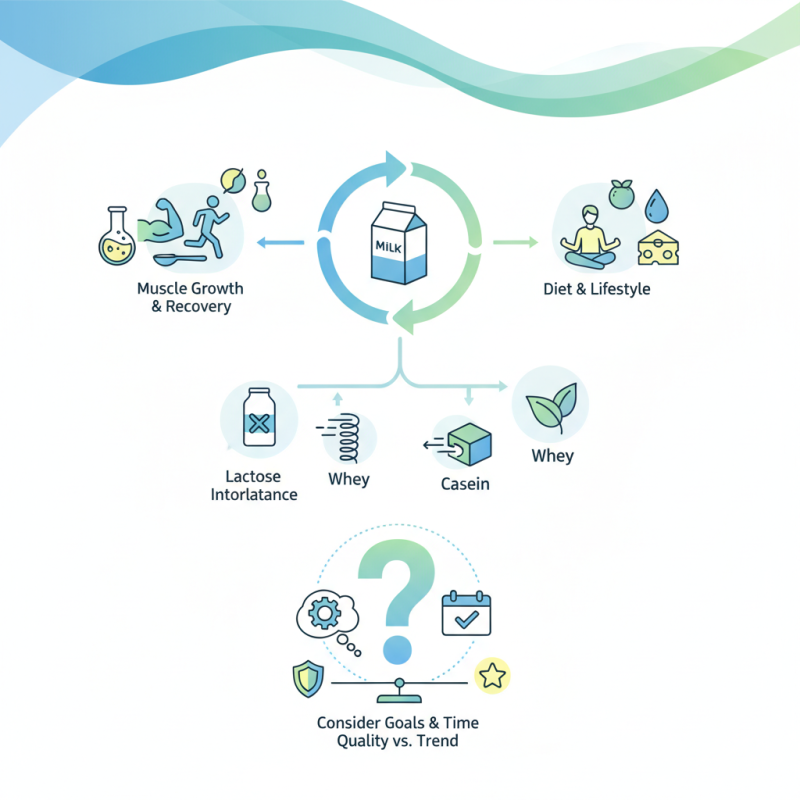
Milk Protein Powder offers various benefits. It supports muscle growth and aids recovery after workouts. Different brands may focus on distinct features, such as taste and solubility. However, not all powders are created equal. Some may contain excessive additives or insufficient protein. Reflecting on your personal goals can guide your selection process.
When considering Milk Protein Powder, think about your diet and lifestyle. Are you lactose intolerant? Do you prefer whey or casein? Understanding these factors helps narrow your choices. Take your time with this decision. Sometimes the best option isn't the one that seems trendy or popular at first glance. Make sure it aligns with your health and fitness journey.
Understanding the Different Types of Milk Protein Powders Available
When selecting a milk protein powder, it’s essential to understand the types available. The two most common types are whey and casein. Whey protein is fast-digesting and ideal for post-workout recovery. A study published in the "Journal of Nutrition" noted whey protein’s effectiveness for muscle growth. Casein, on the other hand, digests slowly. This makes it suitable for nighttime use. It provides a steady release of amino acids, which is crucial during sleep.
According to research from the International Dairy Federation, the choice between whey and casein can greatly affect your results. Whey protein contributes to increased muscle mass more rapidly. Yet, some users may experience digestive issues with whey. Casein might be a better choice for those who are sensitive to lactose. The protein content per serving can vary widely, typically ranging from 20 to 30 grams. Knowing your dietary goals is vital. Many overlook this aspect and end up disappointed with results.
Another factor is flavor and mixability. Some powders mix poorly with liquids. This inconsistency can affect your experience. User reviews often highlight the importance of palatability. Some powders taste chalky or overly sweet. Investing time in research can prevent these pitfalls. Examine ingredient lists and user feedback closely. This ensures you select the powder that fits your personal needs best.
How to Choose the Best Milk Protein Powder for Your Needs?
| Type of Milk Protein Powder |
Protein Content (per serving) |
Main Benefits |
Best Use Case |
| Whey Protein Isolate |
25g |
Fast absorption, high in BCAAs |
Post-workout recovery |
| Whey Protein Concentrate |
20g |
Good flavor, retains more nutrients |
Meal replacement |
| Casein Protein |
24g |
Slow digestion, sustains amino acid supply |
Nighttime recovery |
| Milk Protein Isolate |
22g |
Comprehensive amino acid profile |
General supplementation |
| Milk Protein Concentrate |
18g |
Balanced protein, lactose-friendly |
Smoothies and shakes |
Evaluating Your Nutritional Needs and Fitness Goals
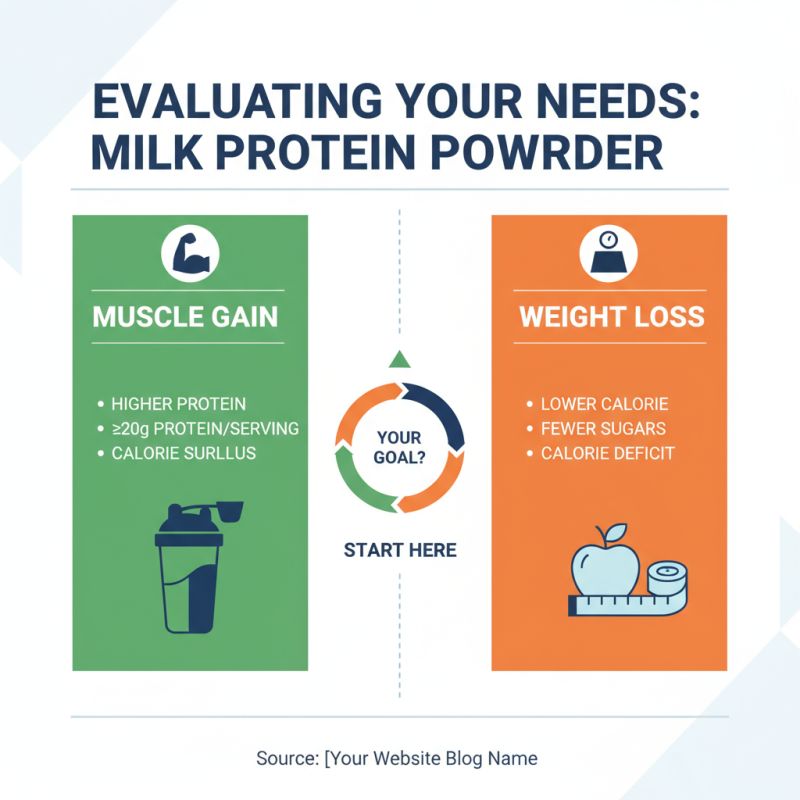
When choosing a milk protein powder, start by assessing your nutritional needs. Are you aiming to build muscle, lose weight, or simply supplement your diet? Each goal requires a different approach. For muscle gain, a higher protein content is essential. Look for powders that provide at least 20 grams of protein per serving. If weight loss is your goal, consider options with fewer calories and sugars.
Consider your dietary restrictions as well. Some people may be lactose intolerant, while others might prefer a low-fat option. Read the labels carefully. You may discover hidden ingredients that don’t align with your goals. Choosing the right powder can involve trial and error. What works for one person may not work for another. Reflect on how your body responds after you start using a protein powder. Do you feel more energetic? Are you reaching your fitness goals? These questions can guide your choice.
Lastly, think about the flavor and consistency. A protein powder should blend well with your favorite foods and drinks. If it doesn’t taste good, you might not stick to it. Experiment with different recipes to find what you enjoy most. Be open to adjusting your choices as you learn more about your body and preferences.
Reading Labels: Key Ingredients and Nutritional Information
When selecting a milk protein powder, reading labels is crucial. Focus on key ingredients and nutritional information. The protein content should ideally be around 20-25 grams per serving. This aligns with recommendations from nutritionists for muscle recovery and growth. But watch for fillers and additives. A clean label is important for overall health.
Consider the source of protein. Whey and casein are common, each with unique benefits. Whey digests quickly, ideal for post-workout recovery. Casein, on the other hand, offers a slow release of amino acids. According to a 2022 industry report, nearly 70% of consumers prefer whey protein for its fast absorption.
Caloric content and macronutrient ratios also matter. A serving should provide a good balance of carbohydrates and fats. Look for options with low sugar. This is essential for those monitoring their calorie intake. Removing unnecessary sugars can improve the overall quality. However, achieving a great taste without sugar can be challenging. Many products sacrifice flavor for health. Always assess what truly benefits your individual goals.
Assessing Flavor, Texture, and Solubility for Optimal Use
When selecting a milk protein powder, flavor should be a primary consideration. Taste can vary widely. Some people prefer a rich chocolate or vanilla, while others like unflavored options to mix with smoothies. It's important to try small samples before committing. A powder may taste great in one recipe but not blend well in another. Experimenting can lead to surprising results.
Texture plays a crucial role as well. Some powders dissolve easily, creating a smooth consistency. Others remain gritty or clumpy. This can affect how it performs in shakes or baked goods. A trial run is beneficial. Dissolve the powder in different liquids to assess its solubility. If it doesn’t blend well, you may need to look for alternatives.
Solubility is not merely an afterthought. Unlike some products that mix effortlessly, others may require a blender. Consider how you plan to use it in your diet. A powder that clumps can be frustrating. It could lead to wasted product and a less enjoyable experience. So, prioritize these factors. Take time to analyze your choices and find what works best for your needs.
Considering Cost-Effectiveness and Brand Reputation in Your Choice
When choosing a milk protein powder, cost-effectiveness and brand reputation are vital. Research shows that quality varies among products. In 2022, a report indicated that over 50% of protein powders did not meet label claims. This raises concerns about transparency in pricing and quality.
Consider how much you are willing to invest. Some lower-priced powders may contain fillers, impacting nutritional value. On the other hand, premium products often reflect higher quality. Weigh the price against quality; lower cost does not always mean value.
Tips: Research brands before purchasing. Look for third-party testing. A reputable brand should have a good track record and positive consumer reviews. Check for certifications that indicate product quality.
Finally, reflect on your personal needs. Do you need more protein per serving, or is lactose-free more critical? Adjust your expectations. Remember, the right choice for others may not suit you. Ensure the powder aligns with your health and fitness goals.
Nutrition Composition of Different Milk Protein Powders