How to Choose the Best Protein Powder With Iron?
Choosing a protein powder can feel simple until the iron numbers appear beside the protein amount. Protein Powder With Iron may suit people seeking both nutrients in one product, but the best choice depends on their diet, health, and daily needs. A scoop is not a meal, and more iron is not automatically better. Small details matter.
Start by checking the iron amount per serving, the protein source, and the full ingredient list. Whey, soy, pea, and blended proteins differ in taste, texture, and suitability for various diets. Look for clear nutrition information and quality-testing details from the manufacturer. A short label can be helpful, but it does not prove a product is right for everyone. That part takes thought.
This guide will explain how to compare iron levels, protein quality, serving sizes, and product transparency without relying on bold front-label claims. It will also cover practical details, such as whether a powder mixes smoothly in cold milk or leaves grit at the bottom of a shaker. People with diagnosed iron deficiency, those who are pregnant, or anyone taking iron supplements should ask a qualified healthcare professional before adding an iron-fortified product. Individual needs vary, and excess iron can be harmful. Even a well-reviewed powder cannot replace personalized advice or a varied diet. Use the label as a starting point, not the final answer.
Define Your Protein and Iron Needs
Before choosing a protein powder with iron, define what you need from each nutrient. Your protein target depends on body size, activity, health, and the rest of your diet. A scoop may offer 20–30 grams, but check whether that fills a real gap or simply adds protein you already get from meals. For example, note what a typical day includes: yogurt at breakfast, beans at lunch, or eggs after exercise. Small details matter.
Iron needs vary with age, sex, pregnancy, and health history. Menstruation, a mostly plant-based diet, or diagnosed iron deficiency may affect your needs, but symptoms alone cannot confirm low iron. A blood test and guidance from a qualified health professional are more reliable than guessing. More is not always better; excess iron can be harmful. I’d avoid treating a combined powder as a fix for unexplained fatigue. It’s easy to overlook the cause.
Tips: Write down your usual protein sources and check the label for grams per serving. Ask a clinician whether you need supplemental iron, especially if you take other supplements or medicines. Then compare products by serving size and iron amount—not just the front-label claims. Be willing to revise your estimate; food logs are imperfect, and needs can change.
How to Choose the Best Protein Powder With Iron? - Define Your Protein and Iron Needs
| 成人 group |
Daily protein reference |
Daily iron reference |
How to use these figures when choosing a powder |
| Men, ages 19–50 |
0.8 g per kg of body weight |
8 mg |
Check the label for protein and iron per serving. Choose a serving size that helps meet your needs without adding iron you do not need. |
| Women, ages 19–50, not pregnant |
0.8 g per kg of body weight |
18 mg |
Compare the iron amount on the label with your usual dietary intake. A powder is only one possible source of iron. |
| Adults, ages 51 and older |
0.8 g per kg of body weight |
8 mg |
Look at both nutrients per serving and consider your full diet, rather than choosing a product based on iron content alone. |
| Pregnant adults |
About 1.1 g per kg of body weight |
27 mg |
Ask a healthcare professional whether an iron-containing powder is appropriate, especially if you already take a prenatal supplement. |
| Adults doing regular intensive training |
About 1.2–2.0 g per kg of body weight may be appropriate, depending on training and individual goals. |
Use the applicable age- and sex-specific reference above; there is no single iron target for all athletes. |
Estimate your protein needs first. Do not assume that training automatically means you need extra iron; discuss concerns with a healthcare professional. |
Label and safety check: Compare grams of protein and milligrams of iron per serving, and account for other supplements and dietary sources. The adult upper limit for iron is 45 mg per day from all sources for most adults; medically supervised treatment may differ. Protein and iron needs can vary with health, diet, and life stage.
Reference basis: Protein values are based on established adult Recommended Dietary Allowances; the athletic range reflects commonly used sports-nutrition guidance. Iron values are established Recommended Dietary Allowances for the groups shown.
Understand Iron Forms, Dosage, and Absorption
How to Choose the Best Protein Powder With Iron?
Understand Iron Forms, Dosage, and Absorption
Start with the iron amount listed as elemental iron, not the total weight of its compound. Powders may contain ferrous sulfate, fumarate, or gluconate; these forms can differ in absorption and stomach comfort. The NIH Office of Dietary Supplements lists adult iron needs as 8 mg daily for men and women over 50, and 18 mg for women ages 19–50. Pregnancy raises the recommended amount to 27 mg. These are daily totals from food and supplements, not automatic targets for a powder. Check the fine print. A serving can add more iron than expected.
Absorption matters, too. Iron from plant-based ingredients is non-heme iron, which is generally less readily absorbed than heme iron. NIH guidance notes that vitamin C can improve non-heme iron absorption, while compounds in some grains and legumes can reduce it. Calcium may also interfere when consumed at the same time. The adult upper limit is 45 mg daily from all sources, according to NIH; higher amounts should not be taken casually. Labels do not reveal your iron status, and a blood test may be more useful than guesswork.
Tips: Compare elemental iron per serving, then consider how it fits with your meals and other supplements. If iron is recommended, ask a clinician which form and dose suit you. A powder that looks convenient may still cause constipation or nausea. That trade-off deserves a second look.
Compare Protein Sources and Iron Content
How to Choose the Best Protein Powder With Iron?
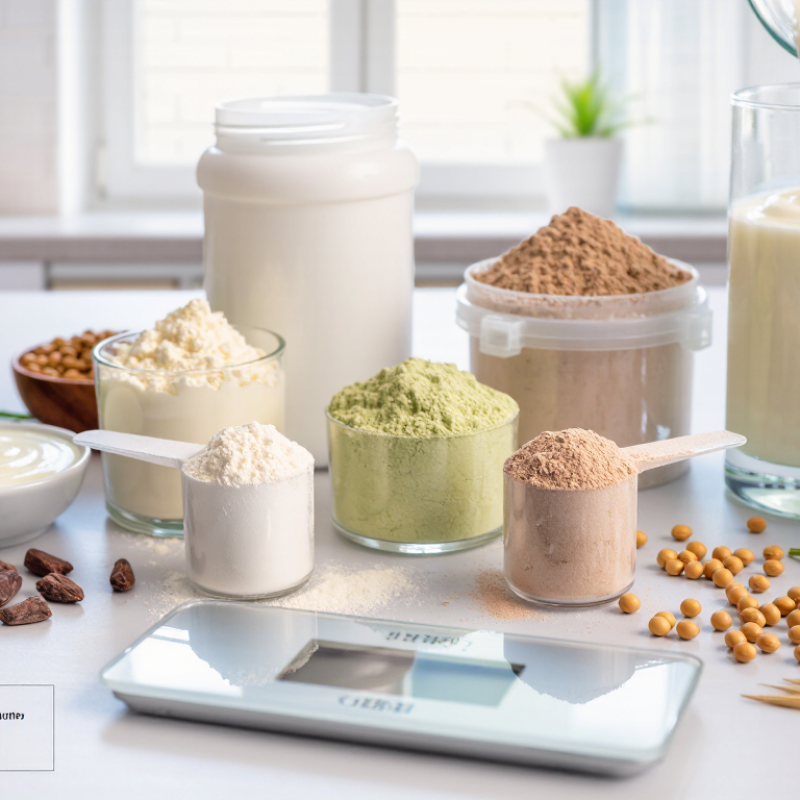
Compare the iron on the nutrition label, not just the protein number on the front. Whey and other dairy-based powders often contain little iron unless fortified. Pea, soy, and mixed plant powders may provide more, but the amount varies by ingredients and processing. Collagen powders usually offer little iron unless it is added. Labels vary.
Check iron per serving and the serving size. A scoop may look generous but provide only a small amount of iron. Also compare the percentage of the daily value, while remembering that personal needs differ by age, diet, and health. Plant-based iron is non-heme iron, which the body absorbs less readily than iron from meat. Having a vitamin C-rich food, such as an orange, alongside a plant-based shake may help absorption. Calcium can affect iron absorption too, so timing may matter for some people. That detail is easy to miss.
A protein powder is not a reliable treatment for low iron. Choose one that fits your protein needs, dietary preferences, and tolerance, then check its iron content against your overall diet. It is tempting to pick the highest number. But more is not always better; ask a clinician before using iron supplements or making a major change, especially if a blood test has shown low iron.
Read Labels for Ingredients and Nutritional Quality
Check the serving size before comparing protein powders. A scoop may contain less iron than the front label suggests. Read the iron amount and its percentage of the Daily Value, then consider whether that amount fits your needs. Daily requirements vary by age, diet, health, and pregnancy status, so a high percentage is not automatically a benefit. More is not better. If you have been advised to take iron, ask a qualified health professional whether a fortified powder is appropriate.
Next, scan the full ingredient list, not just the nutrition panel. Look for the protein source, such as whey, soy, or pea, and check the protein grams per serving. Note added sugars, flavorings, and ingredients you know you do not tolerate. Check allergen statements carefully; a shared-facility warning can matter. Small print matters. If available, independent testing information can offer another useful quality check, though it does not replace label reading. Calcium and iron may affect each other’s absorption, so the product label alone cannot answer every timing question. A label can still feel confusing. Compare serving sizes and ingredient details side by side, and pause if the iron amount or wording is unclear.
Check Safety, Dietary Fit, and Third-Party Testing
Choosing a protein powder with iron starts with checking whether you need extra iron at all. Too much can cause harm, and a powder may add to iron from food or supplements. Ask a healthcare professional to review your needs, especially if you take medication or have a condition affecting iron levels. Check the serving size and the amount of iron per scoop, not just the front label. Small details matter. A scoop can look simple; the ingredient list rarely is.
Dietary fit matters just as much. Compare the protein source with your needs, such as dairy-free, vegetarian, or low-lactose options. Scan for allergens, sweeteners, and ingredients that upset your stomach. If you use the powder after exercise, try a small serving first and notice how you feel. That matters. For quality checks, look for independent, third-party testing and confirm it applies to the specific product, not merely the facility. Testing may assess identity and contaminants, but it cannot prove that the powder is right for you or that it will improve your health. I would not treat a certification logo as the whole answer; check the testing organization and what was actually tested.
How Much Iron Do Adults Need?
Use these daily recommended amounts as a reference when comparing protein powders with iron.
These recommended amounts are for total daily iron from food and supplements—not targets for a protein powder serving. Check the iron per serving and consider your diet and needs; ask a healthcare professional if you have an iron-related condition or are unsure what is appropriate.
Source: U.S. National Institutes of Health, Office of Dietary Supplements.