Why Isolate Protein Powder is Essential for Your Fitness Journey?
In the world of fitness, nutrition plays a crucial role. Many athletes and health enthusiasts seek ways to enhance their performance and recovery. One product that has gained significant attention is Isolate Protein Powder. This supplement offers a concentrated source of protein, essential for muscle growth and repair.
Isolate Protein Powder is particularly useful for those looking to increase their protein intake without excess calories or carbohydrates. It is made by filtering milk or whey, removing most fats and sugars. This makes it a great choice for people on strict diets or those monitoring their macronutrient intake.
Despite the benefits, relying solely on supplements may lead to imbalances. Some may overlook whole food sources of protein, such as legumes, meat, and dairy. It is essential to incorporate a variety of foods for optimal health. Remember, consistency in your diet and exercise routine matters, but so does balance. Embracing Isolate Protein Powder as part of a broader nutritional strategy can truly support your fitness journey.
Benefits of Isolate Protein Powder in Muscle Recovery and Growth
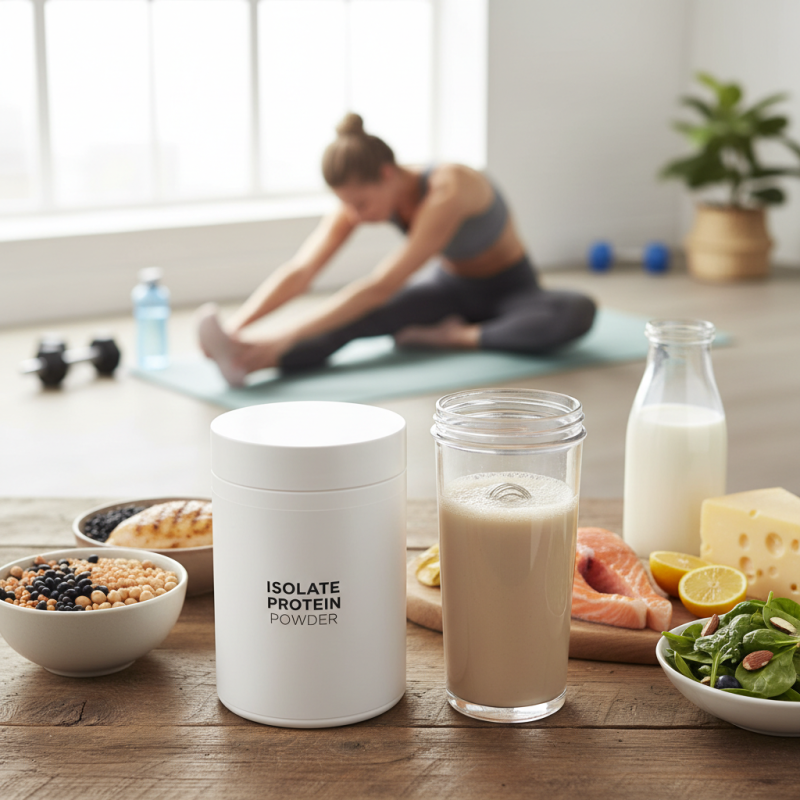
Isolate protein powder plays a key role in muscle recovery and growth. It contains at least 90% protein, making it a highly concentrated source. This purity helps in faster absorption, which is crucial following intense workouts. According to the Journal of Sports Nutrition, recovery can be enhanced by consuming protein within 30 minutes post-exercise. This is when muscles desperately need nutrients to heal.
Additionally, studies suggest that consuming 20-25 grams of protein after a workout optimizes muscle repair. This amount triggers muscle protein synthesis effectively, leading to better gains. Isolate protein is low in fats and carbohydrates, making it easier to fit into various diets. However, some may struggle to digest certain protein powders. Finding the right type can require patience and trial.
Moreover, research indicates that protein supplementation can lead to increased muscle strength. One study found that individuals who consumed isolate protein grew significantly more muscle than those who did not supplement at all. Despite these benefits, some athletes may overlook their total protein intake. Tracking total daily protein can help maximize recovery and growth.
The Role of Isolate Protein Powder in Weight Management and Fat Loss
Isolate protein powder plays a crucial role in weight management and fat loss. It offers a high protein content while minimizing carbohydrates and fats. This combination makes it an ideal choice for those looking to shed extra pounds. When combined with exercise, it can enhance muscle recovery and growth. Muscles need protein to repair after workouts, and isolate protein helps in that process.
Incorporating isolate protein into your daily routine can help curb cravings. A protein-rich diet keeps you feeling full longer. It reduces the urge to snack on unhealthy foods. Mixing isolate protein with fruits or healthy fats can create a satisfying shake. Remember, the timing of protein intake matters. Consuming it post-workout maximizes its benefits.
However, not everyone responds the same way to protein supplements. Some may miss out on whole food options. Whole sources of protein are rich in vitamins and minerals. Evaluating your dietary habits is essential. Balance is key—relying solely on powder can lead to deficiencies. Reflect on your choices and find what works best for you.
Comparing Isolate Protein Powder with Other Protein Sources
When it comes to protein sources, isolate protein powder stands out. It is more refined than regular protein powders. This refinement means less fat and fewer carbohydrates. The result? You get a higher protein concentration. This is particularly beneficial for those focused on muscle gain or weight loss.
Comparing isolate to whole food sources, the difference is clear. Foods like chicken and beans offer protein, but they come with extra calories. These calories may not be helpful if you're tracking macros. Isolate protein powder simplifies intake. It provides a lean protein boost when you need it most. However, relying solely on supplements can lead to nutrient gaps. Whole foods offer vitamins and minerals that a powder cannot replicate.
In a busy lifestyle, convenience is key. Isolate protein can be mixed easily into smoothies or shakes. Yet, it’s important not to lose sight of balance. Incorporating various protein sources is essential for a rounded diet. Whole foods can support overall wellness in ways that powders might not. Use them wisely, keeping your fitness journey in mind.
Comparison of Protein Content in Different Protein Sources
This bar chart illustrates the protein content per 30 grams serving for various protein sources. As evident, isolate protein powder offers the highest protein content, making it an essential supplement for those on a fitness journey.
Tips for Incorporating Isolate Protein Powder into Your Daily Routine
Incorporating isolate protein powder into your daily routine can significantly enhance your fitness efforts. Studies show that protein intake helps muscle recovery. For athletes, a daily intake of about 1.2 to 2.0 grams of protein per kilogram of body weight is recommended. This can be challenging to achieve through whole foods alone. Isolate protein powder provides a convenient solution. A single scoop often contains around 20-30 grams of protein, making it easy to reach your goals.
Mixing isolate protein into smoothies is a popular option. This provides a tasty and nutritious way to start the day. You can combine it with fruits and spinach to boost vitamins. Additionally, adding it to pancake or oatmeal recipes can enhance their nutritional profile. But be cautious about relying solely on protein powders. Whole foods offer essential nutrients and fiber that supplements can't replace.
Set reminders for your protein intake throughout the day. This helps maintain consistency and ensures you aren’t skipping meals. However, blindly following a protein schedule can lead to overconsumption. Listen to your body and adjust accordingly. Not every workout necessitates a protein boost. Reflect on your needs and adjust accordingly. Balancing protein sources is key. Focus on variety for optimal results.