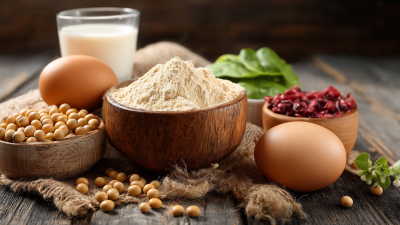
How to Make Soy Protein Shakes for Maximum Health Benefits?
Soy Protein Shakes are a powerful addition to a health-conscious diet. Crafting these shakes is not just about blending protein and liquid. It's essential to consider the right ingredients and proportions for maximum benefits. The beauty of soy protein lies in its versatility. You can mix it with fruits, vegetables, or even nuts to enhance the flavor and nutrition.
Creating an ideal Soy Protein Shake may require experimentation. You might find some combinations don't taste as good as expected. It's also important to ensure your shake is well-balanced with fiber and vitamins. If your shake is too sweet, it may overshadow the protein. Adjusting ingredients until they align with your taste can take time and patience.
Incorporating Soy Protein Shakes into your routine can be beneficial. They offer essential amino acids while supporting muscle health. However, if consumed excessively, they could lead to digestive discomfort. Monitoring your intake is key to reaping the rewards without adverse effects. With thoughtful preparation, Soy Protein Shakes can become a valuable part of your wellness journey.
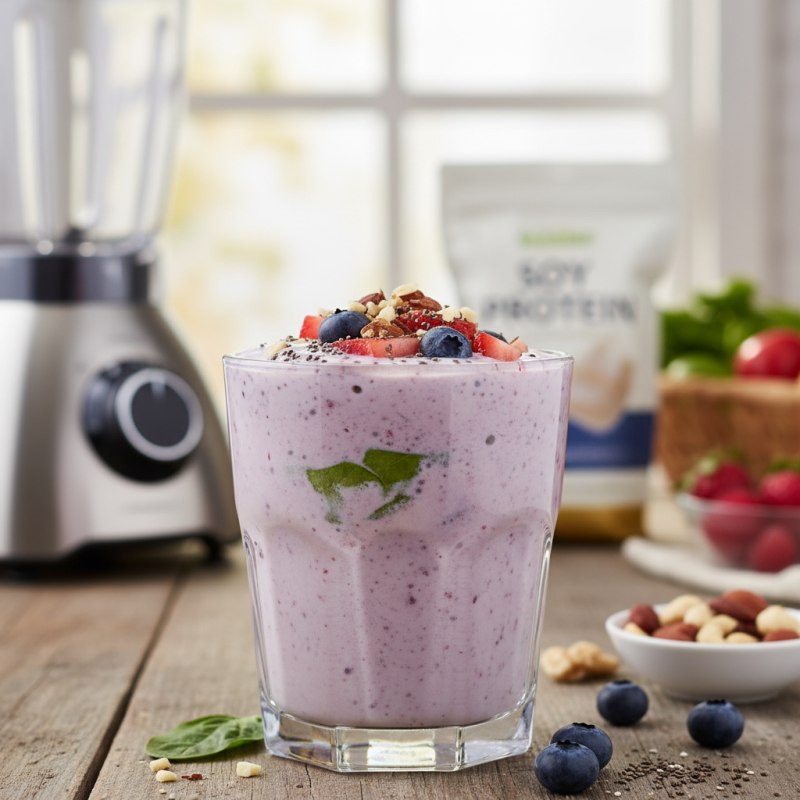
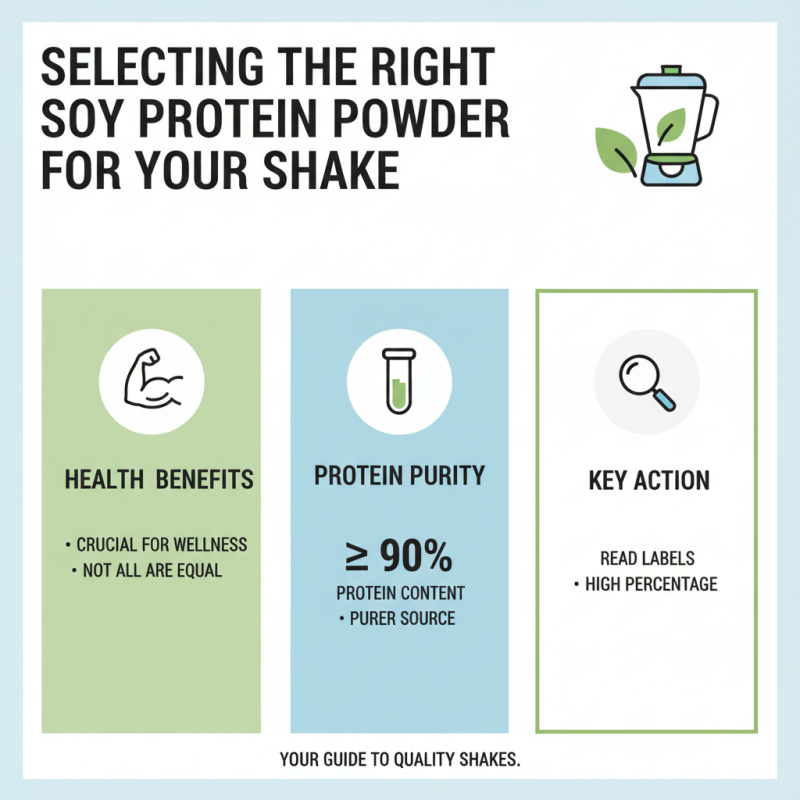
Selecting the Right Soy Protein Powder for Your Shake
Selecting the right soy protein powder is crucial for health benefits. Not all powders are created equal. Look for products that contain at least 90% protein content. This high percentage indicates a purer protein source.
Consider the method of extraction. Isolate soy protein is typically less processed than texturized versions. Reports show that minimally processed soy retains more nutrients. It’s essential to check for added sugars and artificial flavors. These additives can negate health benefits. Opt for powders with few ingredients.
Some shake recipes call for flavored powders. However, be cautious. Flavors can hide lower-quality proteins. Look for certifications, like Non-GMO or organic. These labels often suggest higher quality. Some individuals may need to reflect on how their body reacts to soy. Allergies can occur, leading to digestive issues. Testing is key for personal health.
Essential Ingredients to Enhance the Nutritional Value of Soy Shakes
When making soy protein shakes, the right ingredients can greatly enhance their nutritional profile. Soy protein itself is rich in essential amino acids. According to recent studies, it can support muscle health and may help in weight management. Yet, pairing soy with other nutrient-dense ingredients can maximize benefits.
Consider adding leafy greens like spinach or kale. These vegetables are high in vitamins A and C. A study by the American Journal of Clinical Nutrition notes that adding greens can increase antioxidant levels in your shake. Fruits such as berries or bananas are also great. They add natural sweetness and fiber. Fiber helps with digestion and may reduce cholesterol levels.
Don’t overlook healthy fats. Avocado or nut butter can be mixed in to enhance creaminess. They provide omega-3 fatty acids, which are beneficial for heart health. However, be mindful of portion sizes. Too much fat can lead to excessive calorie intake. Reflect on your own dietary goals. Are you trying to lose weight or gain muscle? Tailoring your shake’s ingredients can make a noticeable difference.
How to Make Soy Protein Shakes for Maximum Health Benefits?
| Ingredient |
Nutritional Value (per serving) |
Health Benefits |
| Soy Protein Powder |
20g Protein, 1g Carbs |
Supports muscle health, aids weight management |
| Banana |
105 Calories, 27g Carbs, 1g Protein |
Provides potassium, boosts energy levels |
| Almond Milk |
30 Calories, 1g Protein, 1g Carbs |
Low in calories, lactose-free alternative |
| Spinach |
7 Calories, 1g Protein, 1g Carbs |
Rich in iron, fiber, and antioxidants |
| Chia Seeds |
58 Calories, 3g Protein, 5g Fat |
High in omega-3s, great for digestion |
| Honey (optional) |
64 Calories, 17g Carbs |
Natural sweetener, antibacterial properties |
Step-by-Step Instructions to Prepare a Soy Protein Shake
To prepare a nutritious soy protein shake, start by gathering your ingredients. You will need soy protein powder, fruits, and a liquid base like almond milk. According to various health studies, soy protein can improve heart health and help build muscle. Aim for about 25 grams of protein per shake for optimal benefits.
Next, combine one scoop of soy protein powder with a banana and a cup of unsweetened almond milk. Blend until smooth. You can add spinach for extra nutrients or a tablespoon of nut butter for healthy fats. Keep in mind that excessive use of sweeteners can impact your shake's healthiness.
Tips: Use frozen fruits for a creamier texture without adding ice. It’s best to stick to simple ingredients. Experimenting with flavors may lead to discovering what suits your palate. Initially, getting the ratio right may be challenging. Don’t hesitate to adjust the ingredients based on your preferences. Do note that each person's nutritional needs vary. A registered dietitian can offer personalized guidance.
Tips for Customizing Your Soy Protein Shake to Suit Your Taste
When it comes to customizing your soy protein shake, personal taste plays a crucial role. Consider adding fruits like bananas or berries for natural sweetness. These fruits not only enhance flavor but also pack in additional vitamins. According to the International Food Information Council, incorporating fruits can increase antioxidant intake, which is vital for overall health.
Experimenting with textures is another key element. You might blend in some oats for a thicker consistency or add ice for a refreshing sip. A study published in the Journal of Nutrition found that meal texture significantly influences satisfaction levels. Create a shake that feels just right for you.
Don’t forget to play with flavors. Vanilla extract or cocoa powder can transform your shake. If you’re feeling adventurous, spices like cinnamon add a warm note. However, be mindful of your choices. Some may clash with the soy base. A shake should bring joy, not confusion. Balancing taste with nutrition is often a trial-and-error process, but it's worth the effort. Keep experimenting until you find your personal ideal blend.
Best Practices for Incorporating Soy Protein Shakes into Your Diet
Incorporating soy protein shakes into your diet can be an excellent way to boost your nutrition. Start with a simple recipe: blend soy protein powder with water or your favorite milk alternative. Add fruits like bananas or berries to enhance flavor and nutrition. Remember, balance is key. Too much sugar can negate health benefits. Experiment with ingredients to find what works for you.
Timing is also important. Enjoy your shake post-workout for optimal recovery. However, listen to your body. If you're not hungry, forcing nutrient intake may backfire. Consider having a shake as a meal replacement on busy days. This can provide essential amino acids. Still, evaluate your overall diet. Relying too much on shakes could lead to nutritional gaps.
Be mindful of portions. Larger shakes may feel right, but moderation is crucial. Too much of a good thing can overwhelm your digestive system. Make it a habit to assess how you feel after drinking your shake. Adjust based on energy levels and satiety. Consistency is valuable, but flexibility is equally important.
Health Benefits of Soy Protein Shakes