What is Organic Soy Protein Powder Benefits for Nutrition?
Organic Soy Protein Powder is gaining popularity in the nutrition world. It boasts numerous health benefits and is an excellent protein source. According to the USDA, soy protein can provide essential amino acids, making it a standout for vegetarians and vegans. This plant-based protein supports muscle growth and aids weight management.
A report by the Global Market Insights Group highlights a significant rise in demand for organic protein sources, with the plant-based protein market projected to reach $40 billion by 2027. This trend reflects a growing consumer awareness of nutrition. Notably, individuals looking to reduce meat consumption are turning to Organic Soy Protein Powder for its health advantages.
However, there are misconceptions surrounding soy products. Some associate soy with potential hormonal effects, raising questions about consumption. It's vital to examine scientific research and consult nutrition experts to understand its impact fully. Overall, Organic Soy Protein Powder serves as an effective nutritional supplement, providing a balance of benefits and considerations for health-conscious individuals.
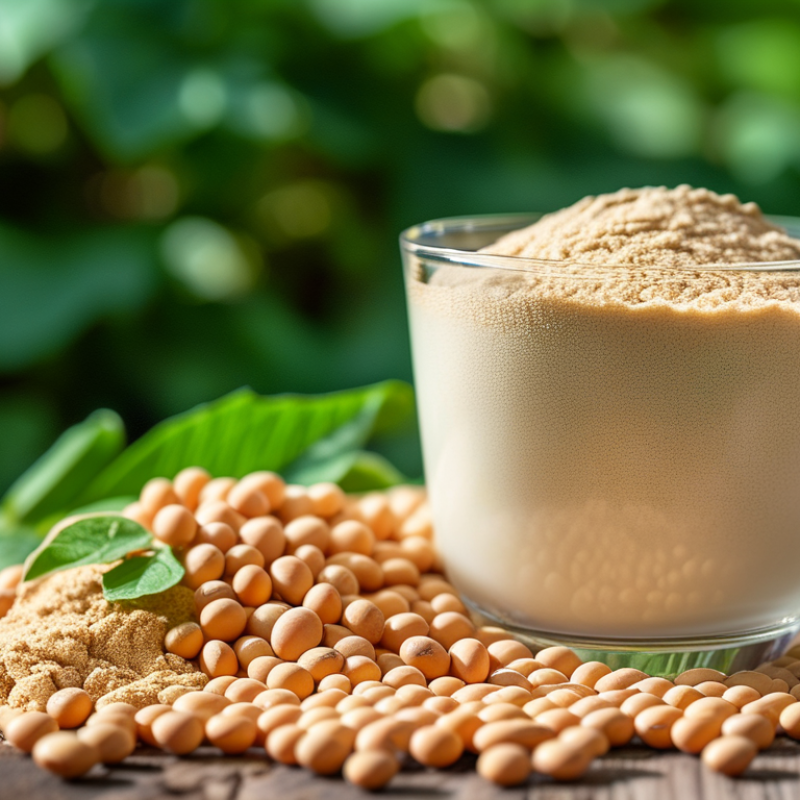
Introduction to Organic Soy Protein Powder
Organic soy protein powder has gained popularity in recent years, particularly among health-conscious consumers. This product is derived from whole soybeans, offering a plant-based protein source that is rich in essential amino acids. Research indicates that around 25 grams of protein can be obtained from just one scoop of organic soy protein powder, making it an attractive option for vegans and vegetarians.
The nutritional profile of organic soy protein powder is impressive. It is low in saturated fat, offering a healthier alternative to animal protein. According to a report from the Food and Agriculture Organization (FAO), soy protein can contribute significantly to daily protein intake without the cholesterol found in animal sources. Furthermore, it contains isoflavones, which have been linked to various health benefits, such as improved heart health and reduced menopausal symptoms.
However, not everyone may react positively to soy products. Some individuals experience digestive discomfort or allergies. This highlights the importance of assessing personal dietary needs before incorporating organic soy protein powder into one’s regimen. It’s crucial to consult with a healthcare professional, especially for those with existing health conditions. This careful approach ensures that soy protein can be a beneficial addition to one’s diet while being mindful of individual health profiles.
Nutritional Composition of Organic Soy Protein Powder
Organic soy protein powder is a powerhouse of nutrition. It contains essential amino acids, making it a complete protein source. Each serving typically provides around 20 grams of protein. This is crucial for muscle repair and growth. For vegans and vegetarians, it serves as an excellent alternative to animal proteins. The powder is also low in fat and cholesterol-free, which is beneficial for heart health.
In addition to its protein content, organic soy protein powder is rich in vitamins and minerals. It includes B vitamins, iron, and calcium. These nutrients support overall well-being. Furthermore, it has isoflavones, which are plant compounds that may support hormonal balance. Many individuals may not realize how effective this protein can be in maintaining energy levels.
Some might find the taste of soy protein less appealing compared to whey protein. This could deter them from incorporating it into their diet. Others may experience mild digestive discomfort. Cooking with the powder or mixing it into smoothies can help. Finding ways to enjoy it is essential for long-term use. By reflecting on how to best integrate this nutrient-dense powder into meals, one can truly appreciate its benefits.
Health Benefits Associated with Organic Soy Protein Powder
Organic soy protein powder has garnered attention for its numerous health benefits. It is an excellent plant-based protein source, rich in essential amino acids. This makes it a great alternative for vegetarians and vegans looking to meet their protein needs. Each serving supplies your body with a solid protein punch, aiding muscle repair and growth.
In addition to protein, organic soy protein powder contains beneficial compounds like isoflavones. These phytonutrients may help support heart health by improving cholesterol levels. Some studies suggest they can reduce menopausal symptoms as well, offering a natural remedy for those seeking relief. However, individuals with soy allergies should approach this supplement cautiously.
Digestibility is an important factor with any protein source. Some people report digestive discomfort when consuming soy products. It’s crucial to listen to your body and adjust your intake accordingly. Experimenting with the serving size may help find what works best for you. Balancing soy protein with other nutrient sources can ensure a well-rounded diet and mitigate any potential issues.
How to Incorporate Organic Soy Protein Powder into Your Diet
Incorporating organic soy protein powder into your diet is a great way to boost nutritional intake. This plant-based protein is rich in essential amino acids. According to the USDA, soy protein can support muscle health and aid in weight management.
To add this protein powder to your daily routine, try mixing it with smoothies or oatmeal. Smoothies can mask its earthy flavor and enhance nutrient absorption. Adding it to baked goods, like muffins or pancakes, can boost their protein content. Just remember, not all soy protein powders are created equal. Some may contain fillers or additives, so choose organic options when possible.
**Tip:** Start with small amounts to gauge how your body reacts. Some people may find soy protein hard to digest. Listen to your body and adjust accordingly.
In salads, toss a spoonful of organic soy protein powder into dressings for a nutritious kick. You can also sprinkle it on popcorn for a healthy snack option. Over time, your daily habits can evolve as you find creative uses for this superfood.
Potential Considerations and Side Effects of Soy Protein Consumption
Soy protein is widely recognized for its nutritional benefits, but it also comes with potential considerations. Consuming soy protein can lead to gastrointestinal discomfort for some individuals. Symptoms may include bloating, gas, and even diarrhea. These reactions can vary from person to person. It's crucial to listen to your body when introducing soy protein into your diet.
Not everyone tolerates soy equally. Some people may experience allergic reactions, particularly those with soy allergies. Common symptoms can include hives, swelling, or difficulty breathing. Always consult a healthcare provider if you notice adverse reactions after consuming soy protein powder. It's essential to consider these potential side effects before making soy a staple in your diet.
**Tips:** Start with small servings to gauge your body's reaction. Monitor how you feel after a few days of consumption. If discomfort arises, it may be wise to reconsider your intake. Additionally, combine soy protein with other protein sources for a more balanced approach. This can help minimize digestive issues and provide diverse nutrients.
What is Organic Soy Protein Powder Benefits for Nutrition? - Potential Considerations and Side Effects of Soy Protein Consumption
| Benefit/Consideration |
Description |
| High Protein Content |
Soy protein powder is an excellent source of high-quality protein, contributing to muscle growth and repair. |
| Nutrient-Rich |
It contains essential amino acids, vitamins, and minerals, supporting overall health. |
| Heart Health |
Regular consumption may help lower cholesterol levels and reduce the risk of heart disease. |
| Hormonal Effects |
Soy contains phytoestrogens, which may influence hormonal balance in some individuals. |
| Allergies |
Some people may have soy allergies, leading to reactions such as digestive issues or skin rashes. |
| Digestive Health |
Some users experience digestive discomfort, such as bloating, when consuming soy protein. |
| Potential Interaction with Medication |
Soy protein may interact with certain medications, such as those affecting thyroid function. |