Top Protein Powder Benefits for Fitness and Health What You Need to Know?
Protein powder has gained immense popularity in the health and fitness community. It's not just for athletes anymore. Many people are turning to this supplement for various reasons. It offers convenience and boosts protein intake effectively.
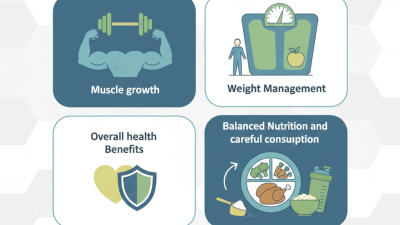
Using protein powder can support muscle growth and recovery. After a workout, a quick protein shake can aid in muscle repair. This is crucial for anyone serious about fitness. Additionally, protein powder can help manage weight by keeping you full longer. Balancing meals can be tricky, and sometimes we need a quick solution.
However, it’s important to choose the right protein powder. Some products contain additives that may not be beneficial. This requires careful reading of labels. Reflecting on personal goals is vital when integrating protein powder into your routine. What works for one may not work for another. Stay mindful, and listen to your body’s needs.
Understanding Protein Powder: Essentials for Fitness Enthusiasts
Protein powder is a popular supplement among fitness enthusiasts. Understanding its role can help maximize workout results. It provides essential nutrients. Protein repairs muscles after exercise. It supports muscle growth and aids recovery.
Many athletes rely on protein powder. It’s quick and convenient. However, it's important to choose wisely. Not all protein powders are created equal. Some contain additives or fillers. Always read labels carefully.
Tips: Use protein powder post-workout for best results. Blend it with fruits for added flavor. Monitor your body’s response. Some may experience digestive issues. Adjust your intake accordingly. Avoid over-relying on supplements. Whole foods should still be a priority.
Top Protein Powder Benefits for Fitness and Health
The Different Types of Protein Powders and Their Unique Benefits
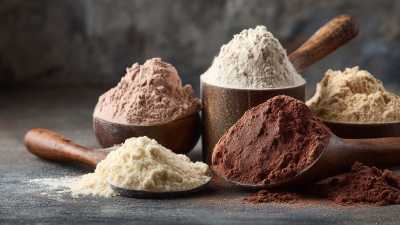
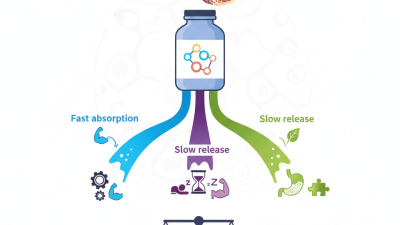
Protein powders come in various types, each offering unique benefits for fitness and health. Whey protein remains the most popular choice. It is quickly digested, aiding muscle recovery after workouts. Research shows that whey can help promote muscle growth. A study published in the Journal of the American College of Nutrition found that participants who consumed whey protein post-exercise gained significantly more muscle mass.
Casein protein, another dairy-based option, is digested slowly. This makes it ideal for overnight use. It provides a steady release of amino acids into the bloodstream. According to a study in Nutrients, casein can enhance muscle repair during sleep, which is often overlooked.
Plant-based protein powders have gained traction. They offer benefits for those avoiding animal products. Pea protein, for instance, is rich in essential amino acids. A report from the International Journal of Sports Nutrition identified that pea protein can support muscle growth comparable to whey for certain individuals. However, the quality of plant proteins may vary significantly.
Understanding these differences is vital. Not all protein powders suit everyone equally. Some may experience digestive issues with certain types. Others might find plant proteins less effective. Listening to one's body is imperative.
How Protein Powder Supports Muscle Recovery and Growth
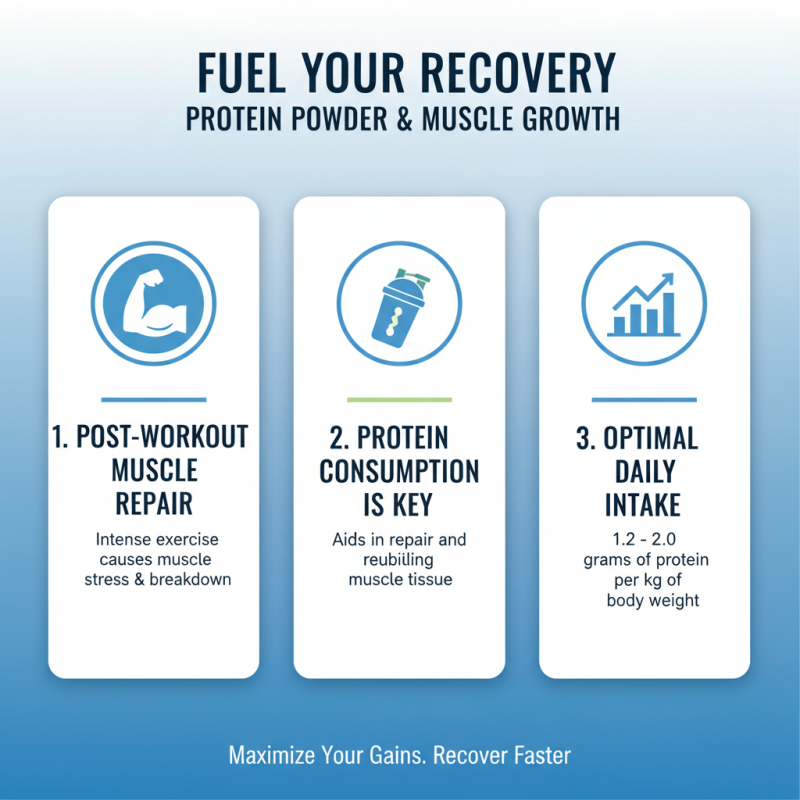
Protein powder plays a significant role in muscle recovery and growth. After intense workouts, muscles undergo stress and need repair. Consuming protein aids in this process. Research shows that athletes require 1.2 to 2.0 grams of protein per kilogram of body weight daily to optimize muscle recovery. This range is essential for building and repairing muscle tissue.
The timing of protein intake matters too. A study indicated that consuming protein within 30 minutes after exercise can enhance muscle protein synthesis by 25%. This critical window ensures that the body utilizes the nutrients effectively when muscles are most receptive to repair. Furthermore, not all protein sources are equal. For instance, whey protein is quickly absorbed, making it a popular choice for post-workout recovery.
However, blending protein supplements into daily routines is not without challenges. Some individuals may struggle with digestive issues or taste preferences. Additionally, reliance on supplements could overshadow nutrient-rich whole foods. Striking a balance between protein powder and natural sources is crucial. Whole foods offer vitamins, minerals, and fiber that protein powders lack. Evaluating personal needs and responses to protein intake can help optimize muscle recovery and growth effectively.
Incorporating Protein Powder into Your Diet: Tips and Guidelines
Incorporating protein powder into your diet can be simple and effective. Start by understanding your protein needs. Active individuals often require more protein than sedentary people. This can be challenging to achieve with whole foods alone. A scoop of protein powder provides a quick solution.
Try adding protein powder to smoothies. Blend it with fruits, vegetables, and some yogurt for a nutrient-rich meal. This can create a balanced breakfast or post-workout snack. Experiment with different flavors to keep your meals exciting. Some may find the taste off-putting at first. Adjusting the ingredients can make a difference.
It's essential to monitor how your body reacts. Some people may experience digestive issues with certain types of protein. It's okay to adjust your intake based on your comfort. If you feel bloated, consider smaller servings. Remember, protein powder is a supplement, not a meal replacement. Balance it with whole foods for better health.
Top Protein Powder Benefits for Fitness and Health
| Benefit |
Description |
Recommended Intake |
| Muscle Growth |
Supports muscle repair and growth following exercise, especially resistance training. |
20-30 grams post-workout. |
| Weight Management |
Helps increase satiety, reducing overall calorie intake. |
1-2 servings daily as needed. |
| Recovery |
Accelerates muscle recovery, reducing soreness and downtime. |
25 grams within 30 minutes after exercise. |
| Convenience |
Easy to incorporate into meals or snacks, providing a quick protein source. |
As needed; versatile usage. |
| Nutritional Boost |
Enhances overall protein intake, meeting daily requirements. |
Depends on dietary needs; typically 46-56 grams daily for adults. |
Potential Side Effects and Considerations When Using Protein Powder
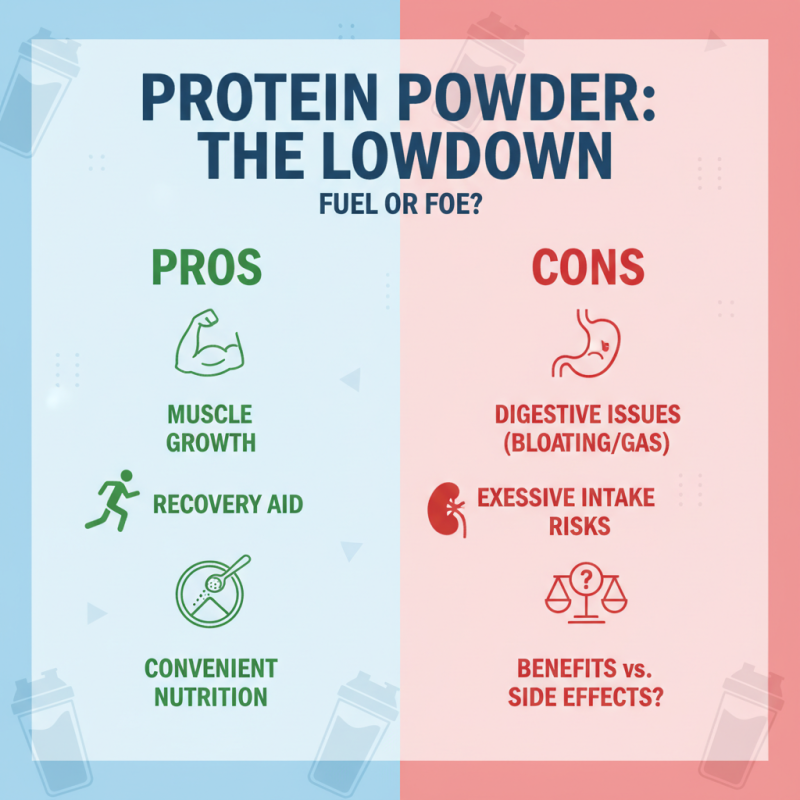
Protein powders are popular among fitness enthusiasts. However, they come with potential side effects that users should consider. A report by the International Society of Sports Nutrition highlights that while protein supplementation can aid muscle recovery, excessive intake may lead to digestive issues such as bloating or gas. Many users experience this discomfort, questioning if the benefits outweigh the consequences.
Kidney strain is another concern. Studies suggest that high protein diets can be taxing for individuals with pre-existing kidney conditions. The National Kidney Foundation emphasizes the importance of consultation before increasing protein intake significantly. Even healthy individuals should reflect on their overall dietary balance, as reliance on supplements might cause nutrient imbalances.
Allergic reactions to certain protein sources are also common. For example, whey protein can trigger reactions in lactose-intolerant individuals. The Centers for Disease Control and Prevention (CDC) reports that more people are developing allergies, which raises awareness about the potential risks associated with different types of protein powders. Users should review ingredients carefully to avoid adverse effects.