Top Protein Powder Tips for Beginners What to Know?
Protein Powder has become a staple in fitness and nutrition. According to a recent market analysis, the global protein powder market is expected to reach approximately $24 billion by 2026. This growth indicates a rising interest in health and fitness. However, for beginners, navigating the world of protein powders can be overwhelming.
Understanding the different types and their benefits is crucial. Whey protein, for instance, is known for rapid absorption and muscle recovery. Plant-based options cater to those with dietary restrictions. The diversity in choices reflects a broader trend in personalized nutrition. Many products are marketed with flashy claims, which can sometimes lead to confusion. It's essential to scrutinize these claims and seek reputable brands.
It is also important to reflect on individual needs and goals. Not every protein powder is suitable for everyone. Misunderstanding the role of protein in the diet can lead to ineffective results. Educating yourself on protein content, ingredients, and potential allergies will aid in making informed decisions.
Essential Nutrients in Protein Powders: What to Look For
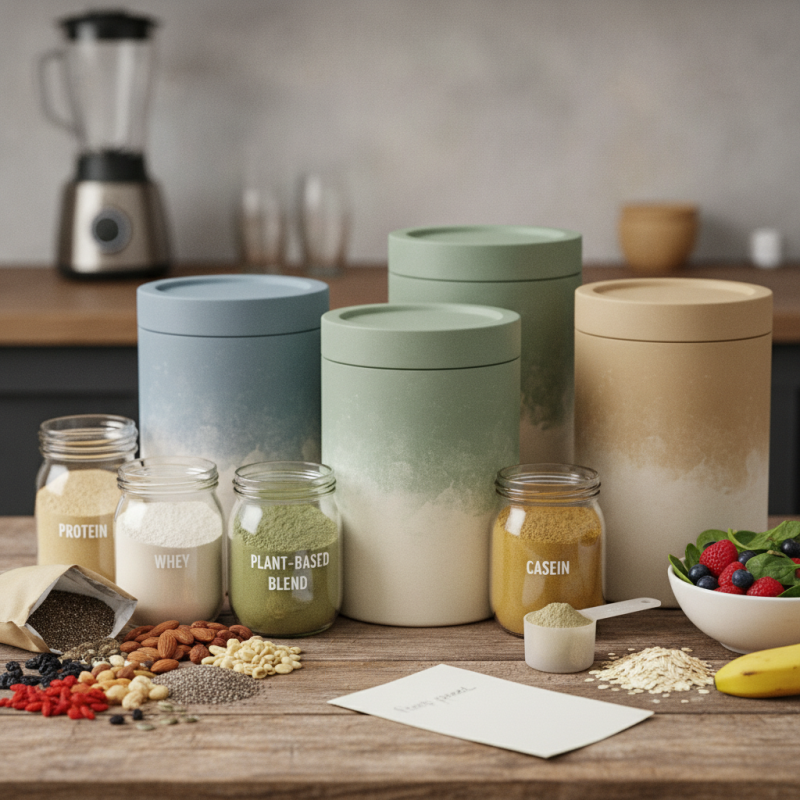
When choosing a protein powder, understanding its essential nutrients is crucial. Look for protein sources like whey, casein, or plant-based options. Each has unique benefits depending on your dietary needs. Research indicates that whey protein is highly effective for muscle growth due to its rapid absorption rate. Meanwhile, plant-based proteins cater to vegans and vegetarians, offering essential amino acids.
It’s important to check for added ingredients. Many powders contain sugars or fillers that can compromise nutritional quality. Reports show that some brands can have up to 20 grams of added sugars per serving. Strive for options with minimal ingredients and no artificial sweeteners.
Tips: Always read the nutrition label. Look for at least 20 grams of protein per serving. Also, ensure there are no more than 5 grams of sugar. This helps you maintain a healthy balance in your diet. Lastly, be cautious of allergens like soy or gluten, especially if you have sensitivities. These small details can significantly affect your health outcomes.
Types of Protein Powders: Which One is Right for You?
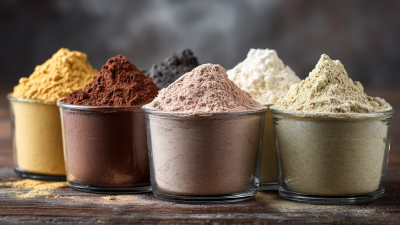
When choosing a protein powder, understanding the types available is crucial. Protein powders mainly fall into three categories: whey, casein, and plant-based. Whey protein, derived from milk, is popular for its quick absorption. It’s ideal for post-workout recovery. However, some may experience digestive issues with dairy products, leading them to seek alternatives.
Casein is another milk-derived option but digests slowly. This makes it advantageous for overnight muscle recovery. It keeps you feeling full for longer. On the other hand, plant-based powders, such as pea, hemp, and soy, are excellent for vegans or those avoiding dairy. They vary in protein content and amino acid profiles. Keep in mind, though, that plant options may have lower protein quality compared to whey.
Choosing the right protein powder can feel overwhelming. It’s essential to consider dietary restrictions, taste preferences, and fitness goals. Some beginners may find that they dislike the texture of certain powders. Trying a few can help pinpoint which one meets your needs. Experimentation can lead to discovering what complements your routine best. Always remember to assess how your body responds to different choices.
Protein Powder Types and Their Popularity Among Users
Understanding Serving Sizes and Recommended Intake for Beginners
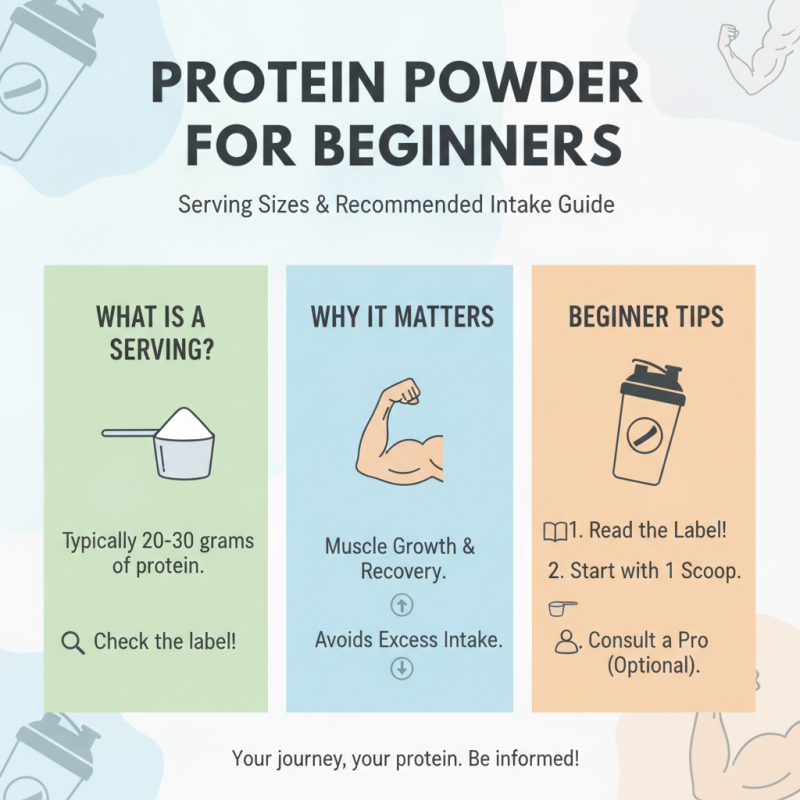
When starting with protein powders, understanding serving sizes is crucial. Typically, a single serving ranges from 20 to 30 grams of protein. This can vary based on the type of protein used and personal dietary needs. Beginners might find this confusing at first. It’s important to read labels closely. Each product provides specific recommendations, so don't skip this step.
As you begin, monitor how your body responds. Adjust serving sizes based on your activity level. For light exercise, one scoop might suffice. On more intense days, consider increasing your intake slightly. Yet, don't rush into large servings. Too much protein can strain your kidneys over time. Also, remember the source of your protein. Whole foods should still be a priority in your diet.
Listening to your body is essential. Noticing digestive changes? It may indicate too much protein too quickly. Ensure you’re hydrated. This helps manage any discomfort. Aiming for 10 to 20 percent of your daily calories from protein is a good target. Tracking your intake with an app can be beneficial. This keeps your nutrition in check.
Common Additives in Protein Powders: What to Avoid
When choosing a protein powder, it is crucial to pay attention to additives. Some common additives can undermine the health benefits of these supplements. Artificial sweeteners, for example, may enhance the flavor but can lead to digestive issues for many people. These ingredients can cause bloating and discomfort, making your protein shake less appealing.
Another common additive to watch for is excessive sugar. Many protein powders contain high levels of added sugars. Consuming these can counteract your fitness goals. Be on the lookout for terms like sucrose or corn syrup. Natural flavors might sound harmless, but their origins can be suspect. They often contain hidden chemicals that may not be beneficial for your body.
Don’t overlook thickening agents and fillers either. Ingredients like carrageenan can cause inflammation in some individuals. Furthermore, some protein powders may include heavy metals due to poor sourcing practices. Always check for third-party testing to ensure safety. Consider your body’s response to different ingredients, as what works for one person may not work for another.
Top Protein Powder Tips for Beginners What to Know? - Common Additives in Protein Powders: What to Avoid
| Additive |
Common Use |
Potential Concerns |
Avoid If |
| Artificial Sweeteners |
Flavor enhancement |
May cause digestive issues |
You have sensitivities to them |
| Soy Protein Isolate |
Protein source |
May affect hormone levels |
You have soy allergies |
| Thickeners (e.g., Xantham Gum) |
Texture improvement |
May cause bloating |
You are prone to digestive issues |
| Flavoring Agents |
Taste enhancement |
May contain allergens |
You prefer natural products |
| Dyes and Color Additives |
Color enhancement |
Potential allergic reactions |
You avoid artificial colors |
How to Incorporate Protein Powder into Your Diet Effectively
Incorporating protein powder into your diet can be straightforward. Start with small adjustments to your meals. Add a scoop of protein powder to your morning smoothie. It boosts your protein intake without altering the taste significantly. According to the International Food Information Council, 80% of consumers use protein powders for convenience and nutrition.
Consider timing your protein intake. Consuming protein post-workout can enhance recovery. A study from the Journal of Nutrition reports that consuming protein within 30 minutes after exercise helps muscle repair. This window is critical for those beginning a fitness journey. However, not everyone adheres to this guideline and may forget to plan meals accordingly.
Experiment with recipes that include protein powder. Mix it with oatmeal, yogurt, or even baked goods. Research indicates that recipes incorporating protein powder can increase overall protein consumption significantly. Aim for a balanced diet, integrating whole foods with added protein powder. This will ensure you meet dietary guidelines while keeping meals enjoyable. However, over-reliance on supplements might detract from a diverse diet. Always reflect on your overall nutrition strategy as you begin this journey.