How to Source Quality Soy Protein Isolate for Your Business?
Finding high-quality Soy Protein Isolate can be challenging. Many businesses struggle to identify reliable sources. This ingredient is vital for plant-based products. As consumers seek healthier options, demand grows.
Understanding how to select Soy Protein Isolate is essential. It's crucial to evaluate suppliers carefully. Look for certifications that indicate quality. Transparency in sourcing is a key factor. A good supplier should provide detailed product information.
Price is often a determining factor, but it shouldn't be the only one. Consider the reputation of suppliers as well. Reviews and testimonials can offer insight. Striking a balance between cost and quality is important. Reflect on what quality means for your business. Choosing the right Soy Protein Isolate can affect product success.
Understanding Soy Protein Isolate: Definition and Benefits
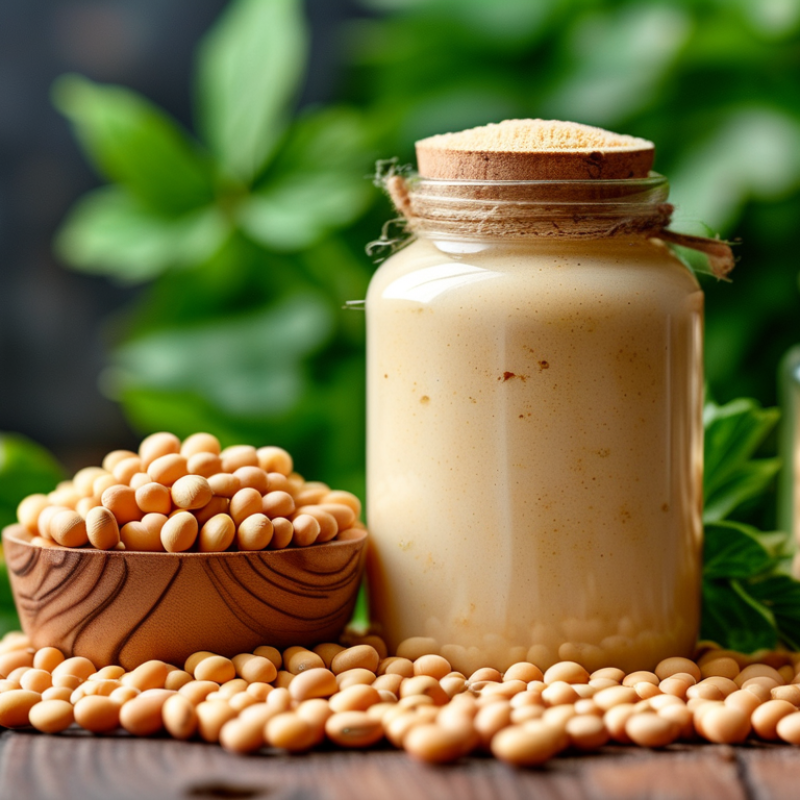
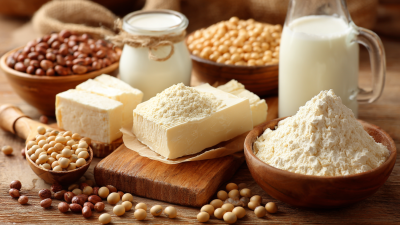
Soy protein isolate is derived from soybeans. It is a highly concentrated form of protein. This ingredient offers various benefits for health and is commonly used in food products. Rich in essential amino acids, soy protein supports muscle growth and repair. Many consumers prefer it due to its plant-based origins. It is also low in calories, making it a popular choice for weight management.
When sourcing quality soy protein isolate, consider the processing methods. Look for products that are minimally processed. Cold-pressed options retain more nutrients. Some processing methods may strip away beneficial compounds. Always verify the source of the soybeans. Local, organic sources can provide better quality ingredients.
Tips: Analyze the ingredient list. Avoid isolates with fillers or additives. Choose suppliers who can provide detailed analysis reports. Transparency in sourcing indicates reliability. Quality matters, as it influences the final product's taste and consumer satisfaction.
Identifying Reliable Suppliers for Soy Protein Isolate
Finding reliable suppliers for soy protein isolate is crucial for your business success. Start by researching potential suppliers online. Look for manufacturers with a proven track record. Their experience can indicate stability and reliability. Online reviews can provide insights, but always verify them. Engage in discussions with suppliers to gauge their expertise. Ask questions about their sourcing processes and quality control measures.
Certifications can also reveal the credibility of a supplier. Check for quality assurance certifications, as these can ensure standardized production. Visiting suppliers in person can provide a deeper understanding of their operations. It can also highlight any red flags that may not be obvious from online interactions. Keep an eye on customer service as well; responsiveness can indicate a supplier's commitment to their clients.
While it's tempting to opt for the cheapest option, consider long-term value instead of upfront costs. Quality issues may arise from lower-priced suppliers, which can harm your business. Test samples from different suppliers to evaluate quality consistently. Be prepared to adjust your criteria as you learn through the process; flexibility can lead to better partnerships.
Evaluating Quality Standards in Soy Protein Isolate Production
When sourcing quality soy protein isolate, evaluating production standards is crucial. Quality begins with raw material selection. The soybean’s origin, cultivation methods, and processing techniques significantly impact the final product. Research indicates that non-GMO soybeans tend to offer higher protein levels and fewer anti-nutrients. A study published in the Journal of Food Science showed that isolates derived from high-quality soybeans contained up to 90% protein content.
Certification plays a vital role in ensuring quality. Certifications such as ISO 22000 and FSSC 22000 indicate adherence to food safety management standards. These benchmarks help in assessing the reliability of the production process. A report from the Soy Protein Council noted that products meeting these certifications not only enhance customer trust but also contribute to consistent product quality. Companies need to demand transparency regarding sourcing and processing practices.
Moreover, batch testing can provide insights into protein quality. Essential amino acid profiles should be regularly evaluated. Innovations in testing methods, such as near-infrared spectroscopy, have streamlined this process. However, not all suppliers utilize standard testing protocols. This inconsistency necessitates diligence in supplier selection. Businesses must navigate these complexities to ensure they source premium soy protein isolates.
Assessing the Cost Factors in Sourcing Soy Protein Isolate
When evaluating the cost factors for sourcing soy protein isolate, several elements come into play. Understanding market prices is crucial. Prices can fluctuate based on supply and demand, production methods, and regional availability. Often, organic or non-GMO options can be pricier. However, they might attract a higher-end consumer base.
Labor costs also affect the overall pricing. Production facilities require workers who are trained and skilled. These costs vary by region and influence the final price to businesses. Additionally, shipping and logistics can add significant expenses. Assessing freight rates and delivery timelines can help you budget effectively.
Quality assurance should never be overlooked. Investing in reputable suppliers may yield higher costs initially but ensures reliability. A low price may mean compromised quality. Long-term relationships with suppliers can provide stability and possibly negotiated prices. Balancing cost and quality is essential, but it requires ongoing reflection on value versus budget constraints.
Building Long-term Relationships with Soy Protein Suppliers
Building long-term relationships with soy protein suppliers is crucial for success in today’s competitive market. Establishing trust can lead to better pricing, consistent quality, and reliable delivery schedules. According to industry reports, the demand for soy protein isolate has increased by approximately 6% annually. This growth reflects a rising interest in plant-based proteins. Focusing on your supplier relationships can help your business thrive as this trend continues.
To build solid partnerships, maintain frequent communication. Regular updates on business needs and market trends can align expectations. Additionally, consider supplier capabilities. A reputable supplier should demonstrate expertise and provide certifications that verify the quality of their products. Investing time in understanding their production processes can uncover potential weaknesses or areas for improvement.
Tips: Start with small orders to test quality. Establish a feedback loop to discuss and resolve any issues promptly. Consider collaborative approaches to product development. Engaging in joint projects can strengthen bonds and lead to innovative solutions. Reflect on past experiences with suppliers to identify recurring issues. Make adjustments to promote smoother transactions.