Why Textured Soy Protein is a Popular Meat Alternative Today?
In recent years, Textured Soy Protein has gained significant popularity as a meat alternative. This rise can be attributed to various factors. Many people are seeking healthier dietary options. Textured Soy Protein aligns well with this trend. It is rich in protein yet low in fat. This makes it an attractive option for those wanting to reduce their meat consumption.
Additionally, Textured Soy Protein is versatile. It can be used in a variety of dishes, from tacos to stir-fries. Some consumers appreciate its ability to absorb flavors. This characteristic allows it to mimic the taste and texture of meat. For cooking enthusiasts, experimenting with Textured Soy Protein offers new culinary opportunities.
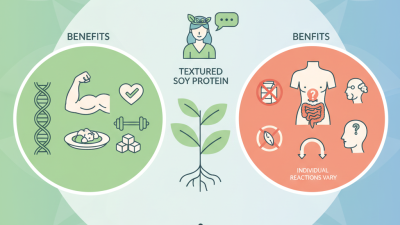
However, not all is perfect with the increased use of Textured Soy Protein. Some individuals may have soy allergies, limiting their options. There are also concerns about sustainability in soy farming. Reflecting on these aspects is crucial for a balanced perspective. As with all food choices, understanding the benefits and drawbacks is essential for making informed decisions.
The Rise of Plant-Based Diets and Meat Alternatives
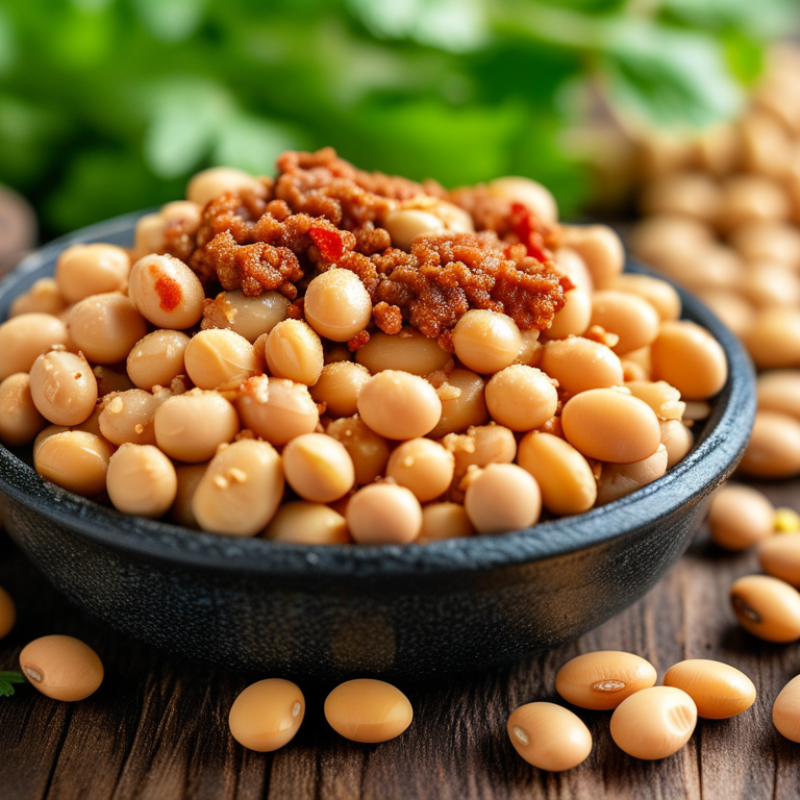
The rise of plant-based diets is reshaping how we view food. Many people are looking for healthier, more sustainable options. Textured soy protein stands out as a leading choice among meat alternatives. It’s affordable, versatile, and loaded with protein. Best of all, it mimics the texture of meat, making it easier for those transitioning to a plant-based lifestyle.
The shift toward plant-based eating stems from various factors. Health concerns drive many individuals to reduce meat consumption. Studies show that plant-based diets can lower the risk of chronic diseases. Environmental awareness also plays a crucial role. Meat production significantly impacts our planet, and many want to lessen their footprint. Textured soy protein provides a solution. It offers the essential nutrients without the environmental baggage.
However, not all soy products are created equal. Some may contain additives that are less than ideal. Consumers should educate themselves about sourcing and processing. There is still a need for improvement in the industry. While textured soy protein is a great step, it is important to focus on whole foods. Balancing variety in one's diet remains a challenge, even as options expand.
Understanding Textured Soy Protein: Composition and Nutritional Benefits
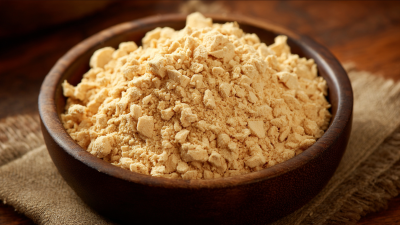
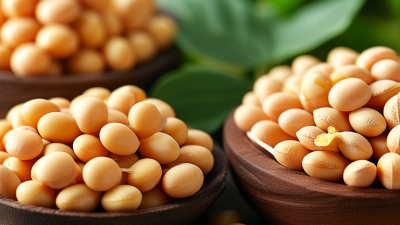
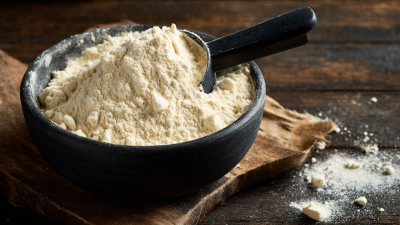
Textured soy protein (TSP) has gained popularity in recent years as a meat alternative. It's made from soybeans, a rich source of plant protein. The process involves removing the oil and carbohydrates, resulting in a high-protein product. With around 50% protein content, TSP is considered a complete protein source, containing all essential amino acids. This makes it an excellent choice for vegetarians and vegans seeking robust nutrition.
In addition to its impressive protein profile, TSP is low in fat and contains no cholesterol. It is also a good source of fiber, promoting digestive health. The texture of TSP can mimic meat, absorbing flavors well, which enhances meal versatility. However, despite these advantages, some people may find the texture less appealing. Others may experience digestive discomfort due to soy sensitivity. It’s crucial to evaluate personal tolerance and preferences when incorporating TSP into one's diet.
Nutritionally, TSP can support muscle growth and weight management. It can be cooked in various ways, from stir-frying to baking. This flexibility allows it to fit into numerous recipes. While it offers many benefits, it's important to consume it as part of a balanced diet. Understanding these details can help individuals make informed choices about their meat alternatives.
Why Textured Soy Protein is a Popular Meat Alternative Today? - Understanding Textured Soy Protein: Composition and Nutritional Benefits
| Nutritional Component |
Amount per 100g |
Function / Benefit |
| Protein |
50g |
Supports muscle growth and repair |
| Carbohydrates |
30g |
Provides energy |
| Fat |
1g |
Low in saturated fat |
| Fiber |
10g |
Aids digestion and promotes satiety |
| Iron |
5mg |
Essential for blood health |
| Calcium |
50mg |
Supports bone health |
Culinary Versatility of Textured Soy Protein in Various Dishes
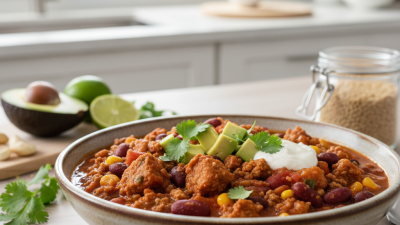
Textured soy protein is gaining popularity due to its culinary versatility. It easily absorbs flavors, making it suitable for numerous dishes. From stir-fries to tacos, this meat alternative can be adapted to diverse cuisines. Chefs appreciate its ability to mimic the texture of meat while providing a plant-based option.
Tips: When cooking with textured soy protein, rehydrate it in vegetable broth for added flavor. Season generously, as it can be bland when unseasoned. Experiment with different spices to elevate your dish further.
Incorporating textured soy protein into your meals is simple. You can use it in pasta sauces, soups, or salads. Use it as a base for your favorite recipes. However, some might find its texture different from traditional meat. That's part of the journey. Adjusting your taste buds takes time. Don't hesitate to blend it with other ingredients for a smoother transition.
Environmental Sustainability of Soy Protein Compared to Animal Products
Textured soy protein has gained traction as a meat alternative due to its environmental benefits. According to the Food and Agriculture Organization (FAO), livestock production is responsible for 14.5% of global greenhouse gas emissions. In contrast, producing soy protein generates significantly lower emissions. A study from the University of Oxford shows that replacing meat with plant-based proteins can reduce an individual’s carbon footprint by up to 50%.
The water usage also favors soy protein. Producing 1 kilogram of beef requires over 15,000 liters of water. In comparison, producing soy protein requires around 1,500 liters for the same amount. This stark difference highlights the inefficiency of animal agriculture. However, while soy production is often hailed as sustainable, it's worth noting that large-scale monoculture practices can result in habitat loss.
Tip: Consider incorporating a variety of plant proteins into your diet. This will support diverse farming practices. Supporting local farms can also promote sustainable agriculture.
Sourcing and processing methods matter, too. Not all soy is created equal. Organic and sustainable approaches minimize negative impacts. Reports show that localized production can enhance nutrient retention and reduce transportation emissions. Engaging in sustainable consumption is essential, as the world grapples with food security and climate change.
Consumer Trends and Market Demand for Meat Alternatives Today
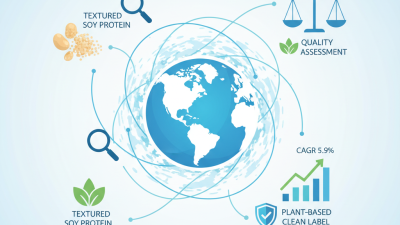
The rise of textured soy protein as a meat alternative reflects changing consumer trends. Many people are seeking healthier diets. They look for options that reduce meat consumption but maintain protein intake. The texture of soy protein mimics meat closely, providing a satisfying bite. This quality appeals to both vegetarians and meat lovers. Surveys show that many consumers want alternatives that feel familiar yet are plant-based.
Market demand is driven by health concerns and environmental awareness. People are increasingly aware of the impact of meat production on the planet. Ethical considerations also play a role. Concerns about animal welfare cause some to rethink their consumption choices. Conveniently packaged, textured soy protein is easy to prepare. It can be used in various dishes, from stir-fry to burgers.
Yet, challenges remain. Some consumers struggle to embrace plant-based textures. The flavor can be a barrier, leading to skepticism. A portion of the population still prefers traditional meat. Educating consumers on preparation techniques may help bridge this gap. Texture and flavor can be enhanced with seasoning, but many are unaware of this. The evolving landscape of food preferences invites ongoing discussion and experimentation.