Choosing China’s top Amino Protein Powder suppliers requires more than comparing prices or polished websites. A dependable supplier should demonstrate consistent manufacturing, clear ingredient sourcing, and verifiable quality controls. Buyers need evidence, not impressive claims.
This guide examines suppliers through practical criteria, including GMP-based production, ISO systems, batch testing, allergen controls, and traceable raw materials. A reliable company should provide a current certificate of analysis for every batch. Third-party laboratory reports can help confirm amino acid identity, purity, heavy metal limits, and microbial safety. Small details matter. A sealed sample bag, readable lot number, and matching documentation can reveal how carefully a supplier manages production.
Industry experience also deserves attention. Suppliers serving sports nutrition brands, food manufacturers, or clinical nutrition businesses may understand different formulation and packaging requirements. However, experience alone does not guarantee present performance. Certifications can expire. Testing methods may vary. Communication may also weaken after an order is placed.
The strongest candidates explain their processes clearly and answer technical questions without avoiding uncomfortable details. They should discuss minimum order quantities, lead times, storage conditions, packaging options, and export documentation. Buyers should request samples and compare them with approved specifications before signing a long-term agreement. No supplier is perfect. Even a promising factory may need closer verification, especially when claims seem unusually broad. With careful review, this overview helps importers identify capable Chinese suppliers and make decisions based on evidence, consistency, and product suitability rather than marketing language alone.
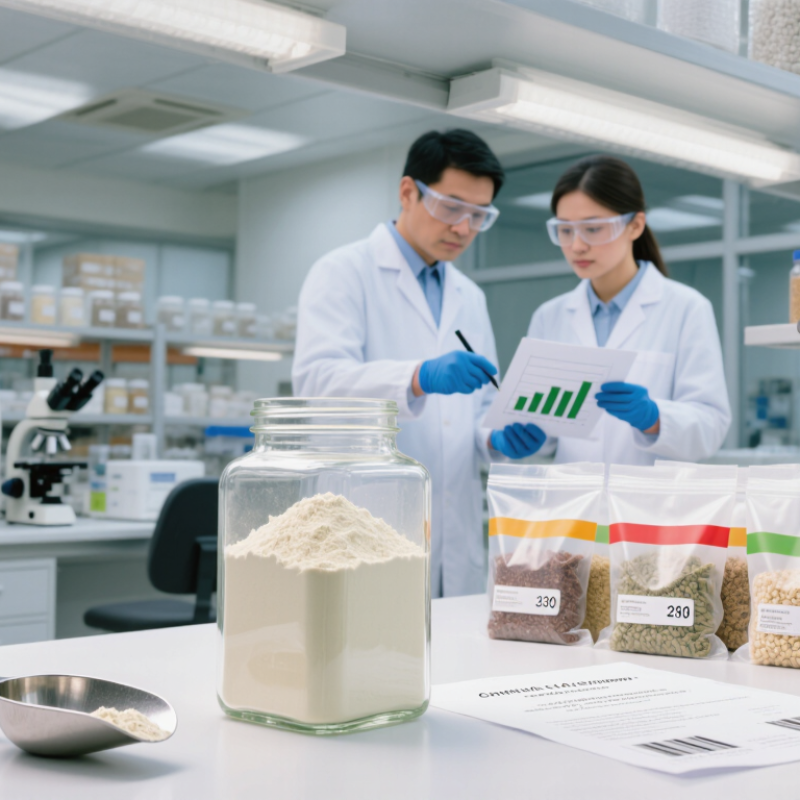
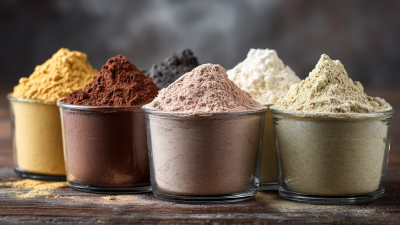
Amino protein powder is a concentrated supplement containing free-form amino acids, protein hydrolysates, or both. It may support muscle protein synthesis, recovery, and dietary protein intake. Essential amino acids cannot be produced adequately by the body. They include leucine, isoleucine, and valine. Non-essential amino acids are synthesized internally, although needs can change with exercise, illness, or restricted diets.
Common types include branched-chain amino acid powders, essential amino acid blends, collagen peptides, and hydrolyzed protein powders. Their applications differ. Athletes may mix a serving with water after training. Older adults may use smaller portions with meals. Food manufacturers can add amino ingredients to beverages, nutrition bars, and specialized foods. The FAO, WHO, and UNU reference an adult protein intake of about 0.83 grams per kilogram of body weight daily. That figure is not a universal supplement target. Individual needs require professional assessment.
Industry reports show strong demand for sports nutrition and amino acid ingredients. MarketsandMarkets has projected continued growth in the global amino acids market, driven by nutrition, food, and pharmaceutical applications. Grand View Research also reports expanding demand for dietary supplements worldwide. However, market growth does not prove every powder is effective. Testing matters. Buyers should check amino acid quantities, allergen statements, heavy-metal testing, microbiological results, and batch traceability. In China’s supplier market, factory audits and independent laboratory verification are especially practical. I would not rely on a bright label alone. A clean formula can still be poorly stored.
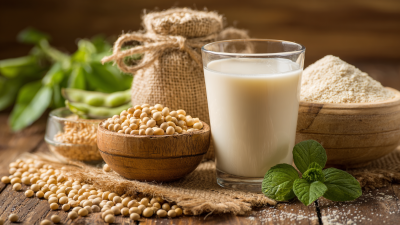
China’s leading amino protein powder suppliers are competing through formulation control, traceability, and flexible production. Grand View Research valued the global protein supplements market at about USD 5.83 billion in 2023, with continued growth expected through 2030. This demand encourages Chinese manufacturers to offer whey, plant, collagen, and free-form amino acid blends for sports and wellness applications.
Product strength begins with measurable quality. Reliable factories provide batch-specific certificates of analysis, amino acid profiles, microbiology results, and heavy-metal testing. Many also operate under ISO 22000, HACCP, or GMP-based systems, although certification alone does not guarantee consistent performance. Buyers should compare laboratory methods, not only certificate logos. Small details matter. A clean label, stable solubility, and neutral aftertaste can influence repeat orders more than a flashy formula.
The China Chamber of Commerce data and customs trade records show China’s mature capabilities in food ingredient processing and export manufacturing. Suppliers often support low-volume trials, customized flavors, sachets, and private-label packaging. This is useful for emerging nutrition companies. Yet customization can create uneven batches if specifications are vague. Importers should request retained samples, allergen statements, source documentation, and independent verification before signing large contracts. Some suppliers still describe “high protein” without explaining digestibility or serving-based amino acid content. That deserves scrutiny.
| Supplier Capability Profile | Main Amino Protein Powder Categories | Typical Product Strength | Common Product Forms | Key Applications | Common Quality Documentation | Packaging Options |
|---|---|---|---|---|---|---|
| Integrated amino-acid manufacturer | Single amino acids, BCAA blends, essential amino-acid blends | Many food-grade amino-acid ingredients are commercially supplied at approximately 98% or higher assay, depending on the amino acid and specification | Fine powder, instantized powder, granules | Sports nutrition, meal replacements, functional foods, powdered beverages | Certificate of Analysis, specification sheet, allergen statement, heavy-metal testing, microbiological testing | Multi-wall bags, kraft bags with inner liner, fiber drums, customized bulk packaging |
| Sports-nutrition focused producer | BCAA 2:1:1, EAA blends, glutamine powders, recovery formulas | BCAA products commonly use a 2:1:1 ratio of leucine, isoleucine, and valine; finished blends may also include electrolytes or flavor systems | Flavored powder, unflavored powder, soluble drink mix | Workout beverages, recovery products, endurance nutrition, active-lifestyle supplements | Nutrition facts support, identity testing, purity testing, stability information, sensory specifications | Sachets, stand-up pouches, tubs, canisters, bulk bags |
| Fermentation-based amino-acid supplier | L-glutamine, L-lysine, L-threonine, L-valine, L-leucine and other fermentation-derived amino acids | Fermentation-derived products are generally selected for consistent identity, purity, and batch-to-batch specification control | Crystalline powder, fine powder, granulated powder | Nutritional powders, fortified foods, beverage premixes, specialized nutrition | Manufacturing-flow information, microbial limits, residual-solvent statement where applicable, traceability records | 25 kg bags, 20–25 kg cartons, drums, palletized export packaging |
| Custom-blend and private-label manufacturer | BCAA, EAA, amino-acid plus protein blends, vitamin and mineral combinations | Formulas can be adjusted for amino-acid ratio, serving size, flavor, sweetness, solubility, and nutritional targets | Instant powder, flavored powder, stick-pack powder, ready-to-mix powder | Private-label sports supplements, wellness powders, retail nutrition products | Formula specification, draft label information, allergen declaration, product testing report, packaging artwork approval | Single-serve sachets, pouches, tubs, composite cans, retail-ready cartons |
| Export-oriented bulk ingredient supplier | Bulk amino acids, BCAA raw materials, EAA premixes, protein-amino-acid blends | Emphasis is placed on repeatable bulk specifications, lot traceability, moisture control, and export documentation | Bulk powder, agglomerated powder, custom particle-size grades | Ingredient distribution, contract manufacturing, food and supplement production | Certificate of Origin, Certificate of Analysis, commercial invoice, packing list, safety data sheet, shipping documents | 20–25 kg bags, 500–1,000 kg big bags, drums, containerized pallet loads |
| Clean-label and specialty-formula producer | Unflavored amino-acid powders, sugar-free blends, vegan-friendly formulas, allergen-controlled products | Focus on simplified ingredient lists, controlled flavor systems, transparent allergen information, and suitability for specific dietary requirements | Unflavored powder, natural-flavor powder, low-sweetness powder | Clean-label nutrition, vegan supplements, dietary-restriction products, wellness beverages | Allergen statement, GMO statement where applicable, ingredient declaration, microbiological report, sensory specification | Recyclable pouches, paper-based cartons, tubs, sachets, bulk-lined bags |
Note: Product specifications, certifications, minimum order quantities, and available packaging should be verified against the current technical documents and batch-specific Certificate of Analysis supplied by each manufacturer.
China’s leading amino protein powder suppliers should be assessed through evidence, not catalog claims. Grand View Research valued the global dietary supplements market at about USD 177.5 billion in 2023. It also projects a 9.1% annual growth rate from 2024 to 2030. This growth increases pressure on quality systems and traceability.
Look for facilities operating under HACCP, ISO 22000, FSSC 22000, or recognized GMP systems. Certifications should cover the actual production site and product category. Ask for recent certificates, audit dates, laboratory scopes, and corrective-action records. Codex CXC 1-1969 supports hazard-based food hygiene controls, including sanitation, personnel practices, and process monitoring. A reliable supplier should provide batch-specific COAs, amino-acid profiles, microbial results, heavy-metal testing, allergen statements, and stability data. Manufacturing capability also matters. Confirm fermentation or enzymatic processing controls, spray-drying parameters, allergen segregation, metal detection, and lot-level recall procedures. A large factory is not automatically a strong factory.
Tips: Request three recent COAs. Compare results with specifications. Verify testing laboratories independently. Check whether the supplier controls raw materials internally. Ask for pilot-batch records before placing large orders. Certificates prove systems, not every batch. That distinction is easy to miss. In my experience, vague answers about moisture limits or sampling plans deserve careful review. Suppliers may also overstate monthly capacity; production logs and lead-time history provide better evidence. A thoughtful audit can reveal small gaps before they become expensive problems.
This chart uses the FAO/WHO/UNU adult indispensable amino acid reference pattern as a neutral quality benchmark, expressed in milligrams per gram of protein. Suppliers should also be evaluated through documented GMP or ISO 22000 systems, product-specific testing, traceability, allergen controls, heavy-metal and microbiological analysis, and verification of applicable certifications. Certification scope and manufacturing capabilities should be confirmed directly with each facility.
China remains a major production base for amino acid ingredients. MarketsandMarkets estimates the global amino acids market will reach about USD 40 billion by 2028. This growth increases supplier choice, but also raises verification risks. A polished website proves little.
Experienced buyers should compare assay results, production capacity, and batch consistency. Request a recent certificate of analysis for each lot. Check amino acid purity, moisture, heavy metals, microbiological limits, and residual solvents. Independent laboratory confirmation matters. In practice, the supplier’s response time can reveal its quality system. Slow answers are not automatic disqualifiers, but they deserve attention.
Tips: Ask for three consecutive batch records. Compare testing methods, not only numbers. Confirm whether the laboratory is accredited to ISO/IEC 17025. Review HACCP, GMP, and ISO 22000 certificates through the issuing body. The FAO and WHO emphasize reliable analytical controls for food and nutrition products, while Codex standards provide useful reference points for contaminants and hygiene. These documents create a stronger comparison framework.
Price still matters. However, an unusually low quote may reflect weaker testing, packaging, or traceability. Compare delivered cost, minimum order quantity, lead time, and replacement terms. A supplier should identify the factory, source materials, and storage conditions clearly. I would also order a small pilot batch before signing a larger agreement. This step is inconvenient. It may prevent an expensive mistake. Supplier rankings are never permanent; performance must be checked again.
China Top Amino Protein Powder Suppliers?
Importing amino protein powder from China requires more than comparing prices. Start by defining the formula, amino acid profile, serving size, packaging, and target market. Request a complete specification sheet and a recent certificate of analysis. Check protein content, moisture, heavy metals, microbiological results, and allergen information. A supplier should also provide batch traceability and production records. Factory photos are useful, but an independent audit is stronger evidence.
Ask for a small sample before placing a commercial order. Test its taste, solubility, color, and laboratory profile. Confirm the minimum order quantity, lead time, payment terms, and shipping method in writing. Packaging needs attention too. Moisture barriers, sealed inner bags, lot numbers, and clear expiry dates can prevent avoidable losses. Import documents may include commercial invoices, packing lists, certificates of origin, and required health or customs documents. Requirements vary by destination, so consult the relevant authorities before shipment.
Tips: Keep every agreed specification in one signed document. Use third-party testing for the first shipment. Do not trust a low quotation alone. It may exclude testing, duties, or inland delivery. A compliant sample can still hide production differences. That is why batch checks remain important. Build a realistic timeline, because port delays and document corrections happen. You may also need to revise the formula after stability testing. That is not failure. It is part of responsible sourcing.