Top 10 Benefits of Milk Protein Powder for Your Health?
In recent years, Milk Protein Powder has gained popularity among fitness enthusiasts and health-conscious individuals. This nutritional supplement provides a convenient source of high-quality protein. It contains essential amino acids that support muscle recovery and growth.
The versatility of Milk Protein Powder makes it easy to incorporate into daily diets. You can mix it into smoothies, oatmeal, or even baked goods. Besides building muscle, it aids in weight management. Many people appreciate its ability to reduce hunger pangs and enhance satiety.
Despite its benefits, some may experience lactose intolerance or digestive issues. It’s important to choose the right product that suits your body. Always consult with a healthcare professional before making significant dietary changes. Understanding your needs will help you make informed choices regarding Milk Protein Powder.
Understanding Milk Protein Powder: An Overview of Its Nutritional Value
Milk protein powder is a popular supplement among fitness enthusiasts and health-conscious individuals. It is derived from milk and is rich in essential amino acids. This protein source plays a vital role in muscle building, tissue repair, and overall health. Each serving typically provides a high concentration of protein, making it an excellent choice for post-workout recovery.
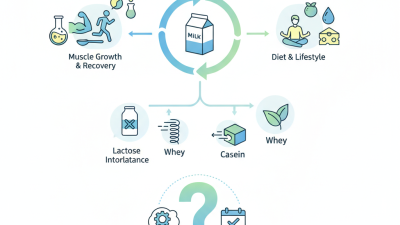
In terms of nutritional value, milk protein powder contains both whey and casein proteins. Whey protein is quickly absorbed, aiding immediate muscle recovery, while casein digests slowly, providing a steady release of amino acids. This unique combination can support endurance and strength training. However, some people may experience digestive discomfort or allergies, which is important to consider when incorporating it into your diet.
Beyond muscle benefits, milk protein powder may support weight management. It can promote satiety, helping to control hunger levels. Additionally, it is rich in calcium, supporting bone health. Despite these advantages, not everyone needs such a high protein intake, and relying solely on supplements may overlook the benefits of whole foods.
Top 10 Benefits of Milk Protein Powder for Your Health
Boosting Muscle Growth: How Milk Protein Powder Aids in Muscle Recovery
Milk protein powder plays a vital role in muscle recovery and growth. It contains two primary proteins: casein and whey. These proteins work together to boost muscle repair. A study published in the Journal of the International Society of Sports Nutrition showed that consuming whey protein post-exercise can significantly improve muscle protein synthesis by 20%. This is crucial for athletes and fitness enthusiasts looking to enhance their performance.
Protein is essential for repairing muscle tissues after strenuous workouts. Consuming milk protein powder post-exercise provides the body with amino acids, which are the building blocks of muscle. Research indicates that 20-25 grams of protein is ideal for recovery after intense training sessions. This quantity can help reduce muscle soreness and accelerate recovery time, allowing individuals to train more effectively.
Milk protein powder is also convenient. Mixing it with water or milk creates an easy post-workout shake. However, it's essential to ensure you're not relying solely on protein powder. Whole foods offer additional nutrients that support overall health. Reflecting on dietary habits can lead to better choices. While milk protein powder is beneficial, a balanced diet is key to optimal recovery and muscle growth.
Supporting Weight Management: The Role of Milk Protein Powder in Diet
Milk protein powder is gaining traction in dietary strategies aimed at weight management. Rich in both casein and whey protein, it provides essential amino acids. These proteins may enhance satiety and reduce hunger, according to numerous studies. Research published in the Journal of Nutrition suggests that high-protein diets can help reduce body fat. In a trial, individuals consuming protein-rich shakes reported feeling fuller longer compared to those on lower protein diets.
Incorporating milk protein powder into your meals can simplify calorie control. A typical serving contains about 20-30 grams of protein, making it an effective tool for balancing macronutrients. According to a report from the International Journal of Obesity, participants incorporating milk protein as part of a meal replacement strategy lost more weight than those who did not. Yet, it is crucial to consider individual caloric needs. What works for one may not be suitable for another.
Despite these benefits, over-reliance on milk protein powder could lead to nutrient imbalance. Whole foods provide more than just protein; they offer fiber, vitamins, and minerals, too. It's essential to reflect on the necessity of variety within a diet. Consulting a healthcare provider or dietitian may help you integrate milk protein powder effectively without compromising overall health. Prioritizing a balanced approach ensures you’re not just focusing on protein but also maintaining nutritional diversity.
Top 10 Benefits of Milk Protein Powder for Your Health
| Benefit |
Description |
Scientific Evidence |
Recommended Daily Intake |
| Weight Management |
Helps in regulating appetite and reducing cravings. |
Studies show that protein increases satiety. |
20-30g per serving |
| Muscle Growth |
Supports muscle development and recovery after exercise. |
High-quality protein aids muscle synthesis. |
20g post-workout |
| Bone Health |
Rich in calcium, beneficial for bone density. |
Calcium and protein are crucial for bone structure. |
2-3 servings a day |
| Rich Nutritional Profile |
Contains essential vitamins and minerals. |
Nutrient density promotes overall health. |
Varies by product |
| Hydration |
Helps maintain fluid balance in the body. |
Protein aids in retaining fluid in cells. |
2-3 servings a day |
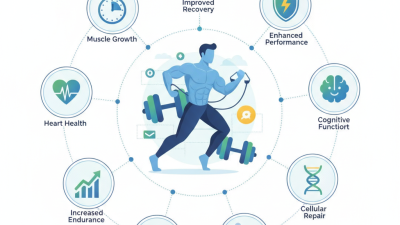
| Improved Recovery |
Speeds up recovery time after workouts. |
Research indicates reduced muscle soreness. |
20g after exercise |
| Supports Immune Function |
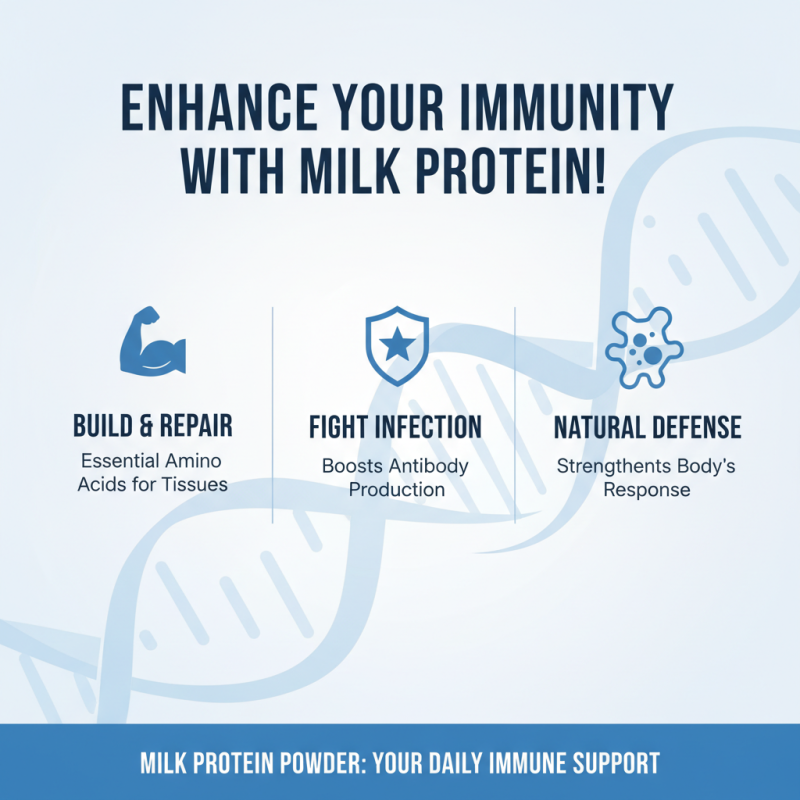
Contains immunoglobulins and lactoferrin. |
Studies show benefits to immune health. |
1-2 servings daily |
| Convenient Protein Source |
Easily added to smoothies and meals. |
Convenience of usage encourages protein intake. |
As needed for diet |
| Enhances Mood |
Amino acids support neurotransmitter function. |
Certain amino acids are linked to mood improvement. |
1-2 servings daily |
| Supports Healthy Aging |
Aids in maintaining muscle mass and strength. |
Protein intake is vital as we age. |
20-30g per serving |
Improving Bone Health: The Impact of Milk Protein Powder on Bone Density
Milk protein powder plays a significant role in enhancing bone health. Several studies highlight its positive influence on bone density. A report from the Journal of Dairy Science found that individuals consuming milk protein regularly observed a marked increase in bone mineral density (BMD). This is vital for preventing osteoporosis, especially in older adults.
Calcium is essential for bone strength, and milk protein is abundant in this nutrient. A 2019 study published in the American Journal of Clinical Nutrition indicated that adequate protein intake, particularly from dairy sources, is linked to improved BMD. Higher protein consumption was associated with a 6% increase in BMD compared to lower intakes.
However, not all protein sources are created equal. Sole reliance on non-dairy proteins may not yield similar benefits. Some individuals might also experience lactose intolerance, which can limit their options. It's essential to consider these nuances when integrating milk protein into the diet. Balancing protein sources can create a more well-rounded approach to bone health.