Leave Your Message

Top 10 Benefits of Soy Protein for Global Buyers

The global market is increasingly turning to plant-based solutions. One standout in this realm is Soy Protein. Known for its rich nutritional profile, it offers numerous benefits that attract buyers worldwide.

Incorporating Soy Protein into diets supports muscle growth and weight management. Its high protein content appeals to fitness enthusiasts and health-conscious consumers alike. Additionally, it's an excellent alternative for those with dairy allergies.

The versatility of Soy Protein makes it a valuable ingredient in various food products. From protein bars to dairy substitutes, it's redefining what healthy eating means. As more people seek sustainable options, Soy Protein continues to gain popularity. This demand creates opportunities and challenges for suppliers. Reflecting on these trends reveals both the promise and complexity of the Soy Protein market.
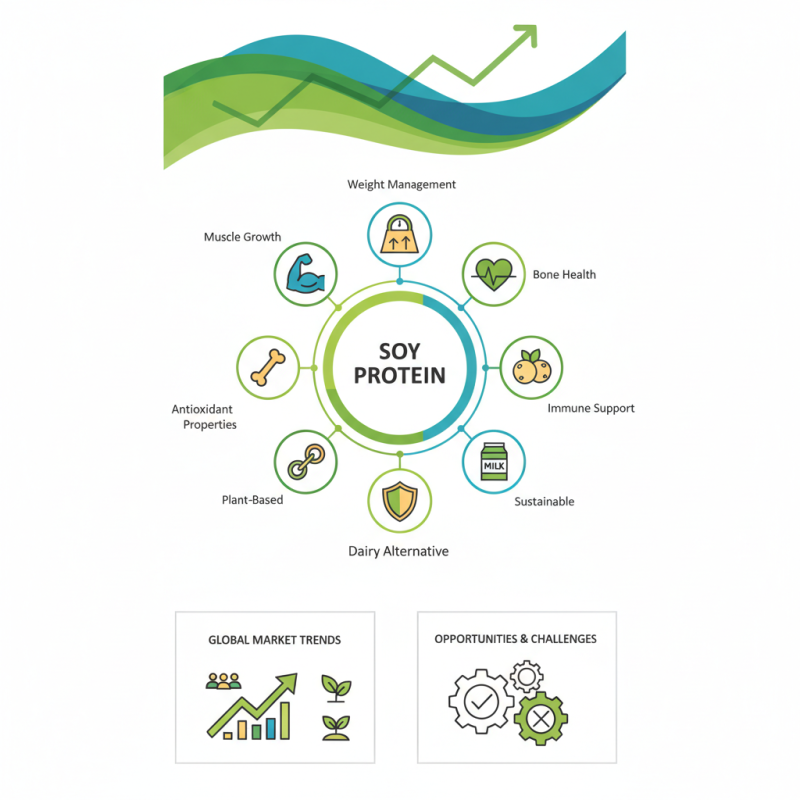
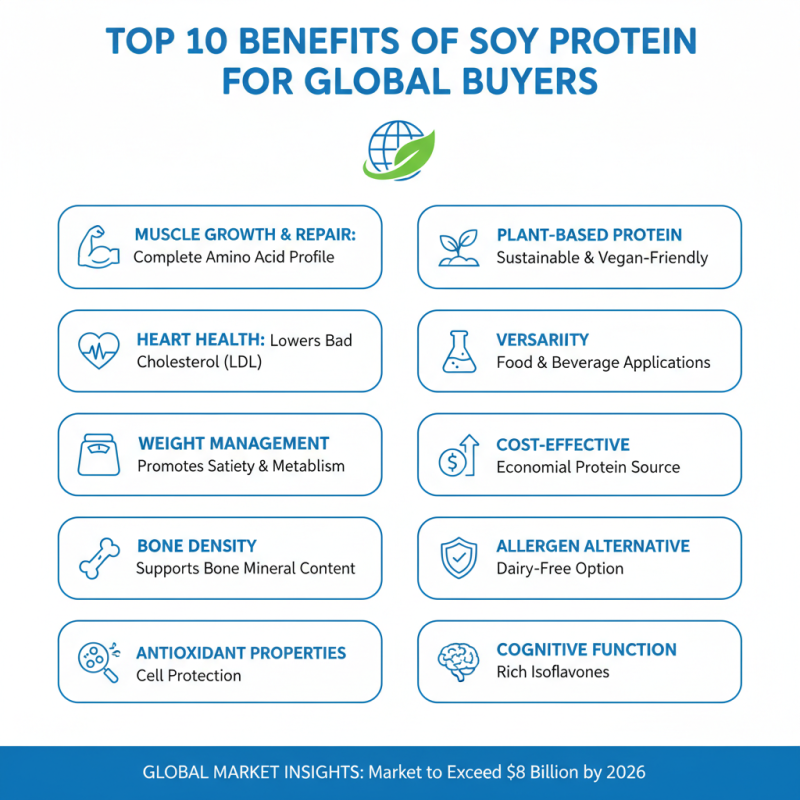
Top 10 Benefits of Soy Protein for Global Buyers

Top 10 Benefits of Soy Protein for Global Buyers

Top 10 Benefits of Soy Protein for Global Buyers

Soy protein has gained global traction as a versatile and nutritious source of plant-based protein. Its benefits are evident across various sectors, from health-conscious consumers to food manufacturers. According to a report by the Global Market Insights, the soy protein market is projected to exceed $8 billion by 2026 due to its growing popularity.

One significant advantage of soy protein is its high-quality amino acid profile. It contains all nine essential amino acids, making it a complete protein. Research from the American Journal of Clinical Nutrition indicates that incorporating soy protein can support muscle health and improve recovery time for athletes. Moreover, soy protein is low in saturated fat and cholesterol-free, making it a heart-healthy option.

Sustainability is another factor that makes soy protein attractive. A study by the Food and Agriculture Organization shows that plant-based proteins like soy require significantly less water and land compared to animal proteins. This shift aligns with the global demand for sustainable food sources. However, there is room for improvement. The environmental impact of soy farming practices must be addressed. Ensuring sustainable sourcing and reducing deforestation is crucial for long-term benefits. As global buyers consider soy protein, evaluating its overall impact remains essential.

The Nutritional Profile of Soy Protein: A Complete Protein Source

Soy protein is recognized as a complete protein source. It contains all nine essential amino acids vital for human health. Research from the American Journal of Clinical Nutrition indicates that soy protein can significantly support muscle growth and repair. This makes it an appealing choice for athletes and those seeking to maintain a healthy lifestyle.

Studies show that soy protein contributes to heart health. According to the American Heart Association, consumption of soy protein can lower LDL cholesterol levels. This reduction in cholesterol can decrease the risk of cardiovascular diseases. Yet, while soy offers many benefits, it may not suit everyone. Some individuals report allergies, while others may experience digestive discomfort.

Tip: When incorporating soy into your diet, choose minimally processed options. Tofu, tempeh, and edamame are excellent choices that retain nutritional integrity.

Soy protein also boasts an impressive profile of vitamins and minerals. It is rich in iron, calcium, and B vitamins, essential for energy production. However, some people need to consider potential estrogen-like effects, especially those with specific hormonal conditions.

Tip: Consult a nutritionist if unsure about how soy fits your dietary needs. They can offer guidance tailored to your health goals.

Health Benefits of Soy Protein: Supporting Heart Health and Cholesterol Levels

Soy protein is increasingly recognized for its role in promoting heart health. According to a report by the American Heart Association, incorporating soy protein into the diet can lower LDL cholesterol levels by about 3% to 5%. This modest reduction can significantly impact cardiovascular health. Lower cholesterol levels reduce the risk of heart disease, showcasing soy's potential as a heart-friendly protein source.

Research indicates that diets rich in soy protein may help maintain healthy blood pressure. A study published in the "Journal of Nutrition" found that individuals who consumed soy products saw improvements in their overall lipid profiles. Additionally, soy contains isoflavones, which exhibit antioxidant properties. These compounds may help combat oxidative stress, further supporting cardiovascular health.

Despite these benefits, it's essential to approach soy consumption mindfully. Some individuals may experience digestive issues or allergies related to soy products. Moreover, not everyone may respond positively to soy protein's cholesterol-lowering effects. Tailoring dietary choices to individual needs is crucial. Balancing soy protein intake with other heart-healthy foods can enhance overall wellness.

Top 10 Benefits of Soy Protein for Global Buyers

Benefit Description Supporting Evidence
Heart Health Soy protein can lower cholesterol levels, reducing the risk of heart disease. Studies show a significant reduction in LDL cholesterol.
Muscle Growth Rich in essential amino acids, it supports muscle mass maintenance and growth. Research indicates effectiveness similar to animal proteins.
Weight Management May help in weight loss by promoting a feeling of fullness. Clinical trials show reduced calorie intake post-soy protein consumption.
Bone Health Isoflavones in soy may improve bone density and prevent osteoporosis. Longitudinal studies suggest protective effects on bone health.
Blood Sugar Control Can improve blood sugar levels and insulin sensitivity. Meta-analyses indicate positive outcomes for diabetic patients.
Anti-Inflammatory Soy protein has been linked to reduced inflammation markers. Research highlights lower CRP levels post-consumption.
Menopausal Symptom Relief Isoflavones can help alleviate symptoms like hot flashes. Studies report significant symptom reduction in middle-aged women.
Cancer Prevention Associated with lower risks of breast and prostate cancer. Epidemiological data supports reduced incidence rates in consumers.
Skin Health Antioxidants in soy help maintain skin elasticity and hydration. Clinical assessments show improvement in skin parameters.
Digestive Health Rich in fiber, supporting healthy digestion. Studies highlight enhanced gut microbiota diversity with soy intake.

Soy Protein and Muscle Building: Key Data on Performance Enhancement

Soy protein plays a vital role in muscle building. It is plant-based and rich in essential amino acids. For those engaged in strength training, soy protein can aid in muscle recovery and growth. Studies show that consuming soy protein post-workout helps in enhancing muscle protein synthesis. This means your muscles can recover faster and grow stronger.


The versatility of soy protein makes it easy to integrate into various diets. It can be found in powders, bars, and even in snacks. This flexibility allows athletes to meet their protein needs conveniently. However, one must consider individual dietary requirements. Not everyone may tolerate soy well. Some may experience digestive discomfort or allergy-like symptoms.


Despite these considerations, the benefits of soy protein are significant. It contributes not only to muscle health but also to overall wellness. As more research emerges, understanding its role in performance enhancement continues to evolve. Engaging with your body’s responses to soy protein is essential for optimal results. It’s always wise to reflect on personal experiences and adjust accordingly.

Environmental Impact of Soy Production: A Sustainable Protein Option

The environmental impact of soy production is a topic garnering attention. Soy is often viewed as a sustainable protein source. It effectively uses land and water compared to animal proteins. This efficiency has significant benefits for our planet.

However, soy farming is not without challenges. Deforestation is a concern in regions where soy is farmed extensively. Balancing agricultural expansion with environmental protection remains a complex issue. Responsible farming practices are essential to minimize negative outcomes. Investing in sustainable methods can help mitigate these risks.

Farmers are increasingly adopting eco-friendly practices. Crop rotation and agroforestry are becoming standard. These techniques improve soil health and enhance biodiversity. Research shows that sustainable soy can actually restore ecosystems with proper management. The journey towards sustainable soy production is ongoing, and every step counts.

Conclusion

Soy protein is gaining recognition worldwide due to its numerous benefits, making it an attractive option for global buyers. As a complete protein source, it provides essential amino acids necessary for optimal health. One of the standout health benefits of soy protein is its ability to support heart health and manage cholesterol levels, contributing to overall cardiovascular wellness. Additionally, research highlights its role in muscle building, offering key data that emphasizes its effectiveness in enhancing physical performance.

Moreover, soy protein presents a sustainable choice for protein consumption, as its production has a lower environmental impact compared to other protein sources. With increasing market trends and consumer demand, soy protein is emerging as a favorable option that aligns with health-conscious and environmentally-aware buying patterns globally. Its comprehensive benefits position soy protein as a valuable addition to diets, appealing to a diverse range of consumers seeking nutritious and sustainable food alternatives.