Top Protein Powder Tips for Choosing the Best Brand?
Protein powder has become a staple in many fitness routines. The global protein supplement market reached approximately $20 billion in 2020 and is projected to grow steadily. With increasing awareness of health and nutrition, consumers are looking for effective sources of protein. However, navigating the vast array of protein powder brands can be overwhelming.
Experts emphasize the importance of understanding ingredients and sourcing. Not all protein powders are created equal. Some contain additives or fillers that may not align with your dietary goals. A report by the International Society of Sports Nutrition suggests that certain protein types may enhance muscle recovery more than others. Choosing the right product can significantly impact your fitness journey.
Many consumers overlook the importance of protein quality over quantity. It's vital to assess factors such as bioavailability, amino acid profile, and third-party testing. Some brands may claim to be the best without sufficient evidence. Researching and selecting protein powder carefully can lead to noticeable improvements in performance and overall health.
Understanding Different Types of Protein Powders Available in the Market
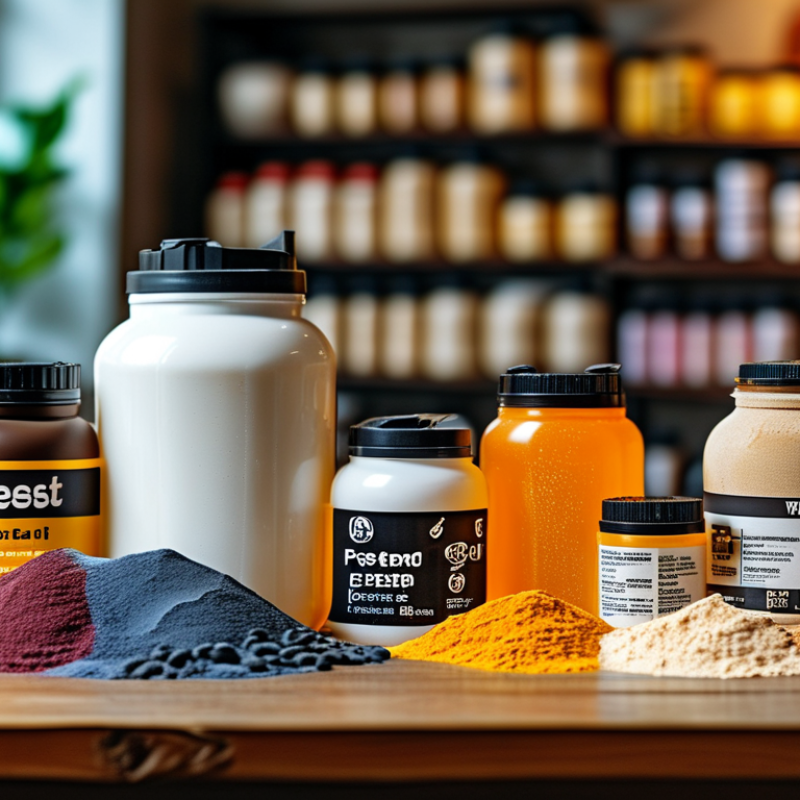
When navigating the variety of protein powders on the market, understanding the different types is crucial. Whey protein, casein, and plant-based options each offer unique benefits. According to the International Journal of Sports Nutrition, whey protein is rapidly absorbed, making it ideal for post-workout recovery. In contrast, casein digests slowly, providing a steady release of amino acids. This slow absorption can be beneficial for overnight muscle repair.
Plant-based protein powders, such as *pea* or *hemp*, have gained popularity. Research from the Journal of Nutrition shows that they offer comparable muscle-building effects to whey. They also cater to those with lactose intolerance or dietary restrictions. Each type has its pros and cons, emphasizing the need for thoughtful selection based on individual goals and dietary needs.
When choosing a protein powder, consider the source and ingredients. Look for minimal additives and a high protein-to-calorie ratio. Some certifications, like NSF Certified for Sport, can assure quality and purity. Pay attention to your body’s response as well. Not all proteins digest the same for everyone. Keeping a food diary can help you track which type works best for your goals.
Key Nutritional Factors to Consider When Selecting Protein Powders
When selecting protein powders, nutritional factors are critical. Many consumers overlook the importance of amino acid profiles. A complete protein should contain all nine essential amino acids. According to a 2021 study published in the Journal of Nutrition, adequate intake of these amino acids is vital for muscle repair and growth.
Another factor to consider is the type of protein source.
whey protein is known for its high bioavailability, meaning your body can absorb it efficiently. Plant-based proteins offer alternative benefits, like fiber and phytonutrients, but may have lower bioavailability. Research from the American Journal of Clinical Nutrition indicates that a well-balanced intake of various protein sources can optimize overall health.
Also, pay attention to added ingredients. Proteins often include sugars, flavorings, or fillers that can detract from their health benefits. A recent survey showed that nearly 30% of protein powders contain added sugars that consumers may not realize. This can lead to unnecessary calorie intake. Reading labels carefully can help you make informed choices that align with your dietary needs. Each factor contributes significantly to your overall health journey.
Evaluating Brand Reputation and Quality Assurance Practices
When selecting a protein powder, brand reputation matters immensely. A reputable brand typically invests in high-quality sourcing and production. Customers should look for certification from reputable organizations. Such endorsements show that the products meet safety and quality standards. Transparency about ingredient sourcing is also crucial. Brands that disclose where their ingredients come from tend to build trust among consumers.
Quality assurance practices are paramount in the protein industry. Brands that perform rigorous testing ensure their products are free from harmful contaminants. Third-party testing serves as an additional layer of validation. This practice is not universally adopted, leading to confusion and mistrust. Some brands may not communicate their quality checks clearly. This lack of information can leave consumers wondering about safety and efficacy.
Evaluating reviews and customer feedback can provide insight into a brand’s reputation. High ratings may indicate reliability, but be cautious. Not all reviews are authentic. Some may be misleading due to promotional practices. Seek out honest testimonials that discuss both benefits and drawbacks. A balanced view can enhance your understanding of a brand’s true performance. This reflective approach is vital for informed decision-making in choosing the right protein powder.
Assessing Flavor, Solubility, and Texture of Protein Powders
When selecting a protein powder, flavor is crucial. A good flavor can enhance your protein intake experience. Some may prefer chocolate or vanilla, while others love fruity blends. It's wise to try small packets before committing to a large tub. This way, you avoid wasting money on flavors you dislike.
Solubility is another vital aspect. A protein powder should mix well with water or milk. Poor solubility can lead to a gritty texture. Look for protein that dissolves easily, leaving no lumps. A smooth shake can make a big difference in your daily routine. If you notice clumps, it might not be the right choice for you.
Texture plays a significant role too. Some proteins feel light and airy, while others are thick and creamy. Your personal preference will dictate what feels right. However, remember, the texture can impact how satisfied you feel after drinking it. A protein that feels too heavy may leave you uncomfortable. Trust your instincts, and don't hesitate to experiment until you find the perfect match for your taste and needs.
Price Comparisons and Value for Money in Protein Powder Purchases
When selecting a protein powder, price is a crucial factor. Research shows that consumer choices often correlate with perceived value. A 2023 market analysis indicated that the average cost of protein powders ranges from $1.00 to $3.00 per serving. This wide range can create confusion for buyers. It’s essential to assess what you are getting for your money.
Quality ingredients should be a priority. Cheaper powders may contain fillers or lower-quality protein sources. A 2021 study from a nutrition journal found that only 30% of lower-priced protein powders accurately listed their protein content. Investing in a reputable brand can lead to better results and safer consumption. Balance between price and quality is vital for effective supplementation.
Beyond cost, consider the nutrition profile. Look for proteins that have a complete amino acid profile. Studies indicate that whey and pea proteins provide significant muscle recovery benefits. However, they differ in absorption rates. Understanding these nuances can help in making a more informed choice. Always read labels carefully to ensure you receive maximum value for your investment.
Top Protein Powder Tips for Choosing the Best Brand
| Nutritional Content |
Price per Serving |
Protein Source |
Flavor Options |
Customer Rating |
| 25g Protein, 2g Carbs |
$1.50 |
Whey Isolate |
Vanilla, Chocolate, Strawberry |
4.7/5 |
| 30g Protein, 5g Carbs |
$1.75 |
Plant-Based Blend |
Chocolate, Peanut Butter |
4.5/5 |
| 20g Protein, 10g Carbs |
$1.20 |
Soy Protein |
Vanilla, Cookies and Cream |
4.2/5 |
| 22g Protein, 3g Carbs |
$1.80 |
Egg White Protein |
Cinnamon Roll, Mocha |
4.8/5 |
| 24g Protein, 2g Carbs |
$1.60 |
Casein Protein |
Chocolate Mint, Cookies and Cream |
4.6/5 |