How to Use Soy Protein Powder for Optimal Health Benefits?
Soy Protein Powder has gained popularity as a versatile supplement. It offers a wealth of health benefits, particularly for those looking to improve their diet. A report by the American Journal of Clinical Nutrition highlighted that soy protein can lower cholesterol levels by 3-5%. This is notable for individuals at risk of heart disease.
In addition to heart health, Soy Protein Powder supports muscle growth. Research from the Journal of Nutrition indicates that it provides essential amino acids comparable to animal proteins. This makes it an excellent choice for vegetarians and vegans. However, some people report digestive discomfort when consuming soy products. Adjusting portion sizes can mitigate this issue for better tolerance.
Furthermore, the potential effects of Soy Protein Powder on hormone levels, particularly estrogen, remain a topic of debate. While some studies suggest slight changes, others show minimal impact. Consumers should be aware and consult healthcare providers to navigate these nuances. Overall, incorporating Soy Protein Powder can offer promising health benefits, but awareness and moderation are key.
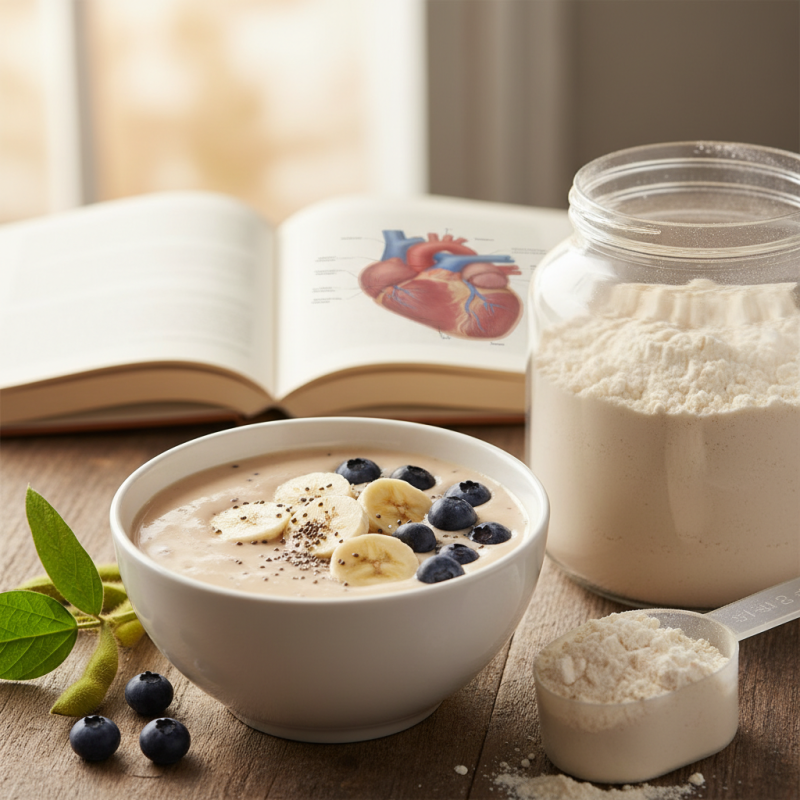
What is Soy Protein Powder and Its Nutritional Profile?
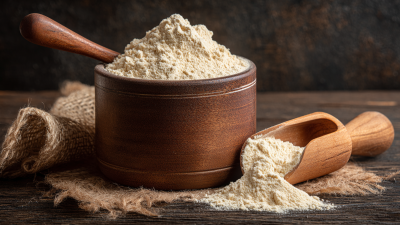
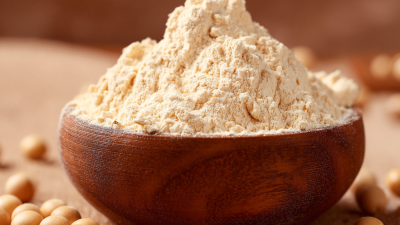
Soy protein powder is derived from soybeans, making it a rich source of plant-based protein. It typically contains about 90% protein by weight. According to the U.S. Department of Agriculture, a standard serving of soy protein powder offers approximately 25 grams of protein, along with essential amino acids. This makes it an ideal option for vegans and those with lactose intolerance.
In addition to protein content, soy protein is known for its nutritional profile. It contains fiber and various micronutrients, including iron, calcium, and magnesium. Some studies, such as one published in the "Journal of Nutrition," suggest that soy protein may help lower cholesterol levels and support heart health. However, the effects can vary based on individual dietary habits. Monitoring the intake and understanding one’s unique nutritional needs is essential. Soy protein can also be a source of allergens for some, which is another aspect to consider thoughtfully.
Potential Health Benefits of Soy Protein Powder
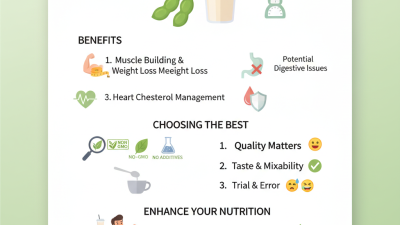
Soy protein powder has gained attention for its potential health benefits. Research shows that it can support muscle growth and repair. A study published in the American Journal of Clinical Nutrition found that soy protein can enhance muscle protein synthesis similarly to whey protein. This is particularly beneficial for those looking to maintain or increase muscle mass.
In addition, soy protein is known to help manage cholesterol levels. According to the FDA, consuming 25 grams of soy protein daily may reduce the risk of heart disease. It is rich in essential amino acids and can be a key component in a balanced diet, especially for vegetarians and vegans. Including soy protein in your meals can also aid in weight management due to its satiating properties.
Tips for incorporating soy protein into your diet: Start by adding a scoop of soy protein powder to smoothies or oatmeal for a nutritious boost. Try replacing some meat with soy-based products like tofu or tempeh. Be mindful of your overall protein intake, as excessive consumption can lead to digestive discomfort. It's important to reflect on how your body responds to soy and adjust accordingly for optimum health benefits.
How to Incorporate Soy Protein Powder into Your Diet
Incorporating soy protein powder into your diet can significantly enhance your nutritional intake. A recent report from the American Journal of Clinical Nutrition highlights that soy protein can lower cholesterol levels and improve heart health. This makes it an excellent addition for those looking to manage their cardiovascular health.
To add soy protein powder to your meals, consider blending it into smoothies. Mix it with fruits like bananas and berries for a nutritious breakfast or snack. Use about 1-2 tablespoons of soy protein powder, which contains around 25 grams of protein per serving. Another great option is to sprinkle it on your yogurt or oatmeal. This not only boosts protein content but also helps keep you full longer.
Tips: Experiment with flavors. Add cocoa powder or vanilla extract to your recipes. Cooking with soy protein can also be fun. Consider using it in soups or sauces for added thickness and nutrition. However, while adding it to your diet, be aware of portion control. Overconsumption might lead to digestive discomfort for some. Aim for a balanced intake rather than relying solely on soy protein.
Health Benefits of Soy Protein Powder
The chart above illustrates the various health benefits of incorporating soy protein powder into your diet. The percentage values indicate the effectiveness of soy protein in enhancing muscle mass, aiding in weight management, promoting heart health, improving bone density, and balancing hormones.
Recommended Dosage and Timing for Soy Protein Powder Consumption
When considering the optimal dosage and timing for soy protein powder consumption, individual needs play a crucial role. The recommended daily intake varies between 15 to 25 grams for most adults, depending on dietary requirements and overall protein intake. Studies suggest that consuming soy protein, especially when spread throughout the day, enhances muscle protein synthesis. For individuals engaged in regular exercise, a serving post-workout can be particularly beneficial.
Timing matters. Research from the American Journal of Clinical Nutrition highlights that protein consumed within 30 minutes after physical activity can support recovery and muscle growth. Adjusting intake to your activity level may maximize benefits. For those aiming for weight management, incorporating soy protein in breakfast can help control hunger levels throughout the day.
It's essential to reflect on your body's responses. Some may experience digestive discomfort with soy products. Keeping a food diary can help track what works best. Engaging with a healthcare professional can provide tailored advice and ensure reliable usage aligned with personal health goals. Understanding these nuances is critical for leveraging soy protein’s advantages effectively.
Possible Side Effects and Considerations when Using Soy Protein Powder
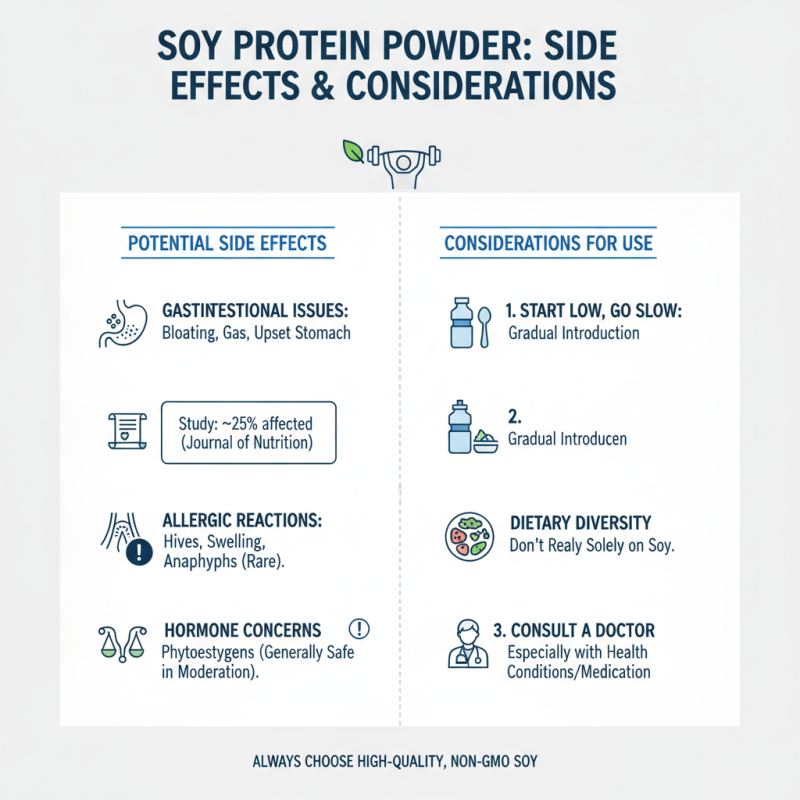
Using soy protein powder can offer many health benefits, but it’s crucial to understand potential side effects. Some individuals may experience gastrointestinal issues. This can include bloating, gas, or an upset stomach. A study published in the "Journal of Nutrition" indicated that about 25% of people may report such symptoms.
There is also concern about phytoestrogens in soy. These compounds can mimic estrogen in the body. For some, this might lead to hormone-related issues. According to research from the "American Journal of Clinical Nutrition," moderate soy consumption is generally safe. However, those with specific health conditions should consult healthcare professionals before use.
**Tip:** Start with a small amount of soy protein powder. Monitor how your body reacts over a week. Adjust the serving size if necessary, but listen to your body’s responses.
Another consideration is the potential for allergic reactions. Soy allergies can affect a small percentage of the population. Symptoms may include itching, rashes, or respiratory issues. It's essential to know your body's sensitivity.
**Tip:** If you have a history of food allergies, try a small taste and consider an allergy test first. Mindful consumption can help maximize benefits while minimizing risks.