Leave Your Message

Why Choose Isolate Protein for Global Buyers?

Why Choose Isolate Protein for Global Buyers?

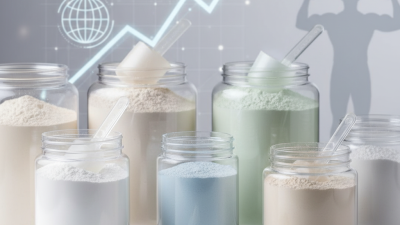
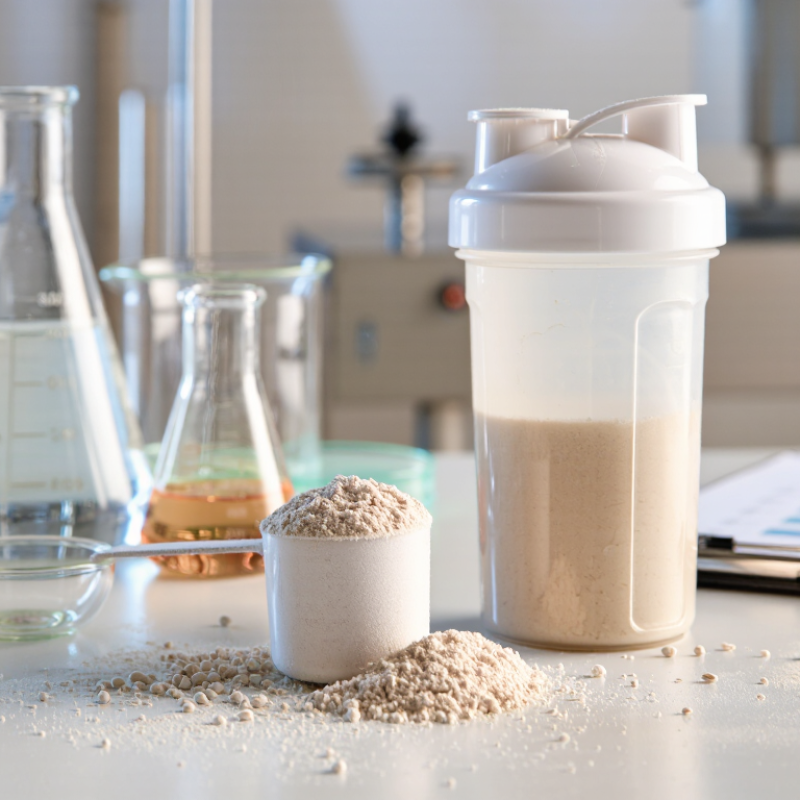
Global buyers are examining protein more closely than ever. According to Grand View Research’s 2024 sports nutrition market report, demand is expanding across sports performance, active lifestyles, and convenient nutrition. This growth creates opportunity, but it also raises purchasing standards. Buyers now compare protein concentration, amino acid profiles, solubility, taste, documentation, and supply consistency. Isolate Protein often attracts attention because filtration can remove much of the fat, lactose, and non-protein material. The result is a lighter powder with a high protein percentage. It can dissolve smoothly in a shaker, leaving fewer visible particles and less sediment.

Performance matters.

The FAO’s protein quality guidance highlights digestible essential amino acids as important evaluation factors. However, protein percentage alone cannot prove product quality. Responsible buyers should review independent laboratory results, allergen declarations, microbiological testing, origin records, and batch traceability. Codex Alimentarius standards and local food regulations also provide useful reference points for international trade. These details matter when a shipment crosses several borders and enters different labeling systems. A reliable supplier should explain processing methods clearly, not hide behind attractive packaging.

Still, Isolate Protein is not automatically the best choice for every application. A bakery may value functionality and cost more than maximum purity. A sports formula may prioritize rapid mixing and a clean sensory profile. Industry reports reveal market direction, but real purchasing decisions require product samples, technical specifications, and verified claims. That practical step is sometimes overlooked. For global buyers, the strongest decision combines evidence, transparent communication, and consistent performance from one batch to the next.
Why Choose Isolate Protein for Global Buyers?

What Is Isolate Protein and How Is It Produced?

Isolate protein is a highly refined protein ingredient, not simply a stronger powder. It usually contains at least 90% protein on a dry basis, according to technical guidance from the U.S. Dairy Export Council. For global buyers, this means more protein per serving and less lactose, fat, and mineral content. It sounds efficient. Yet purity can reduce some natural components and raise production costs. Buyers should consider the complete specification, not only the headline protein percentage.

Production begins with liquid whey, a co-product of cheese manufacturing. The liquid is clarified and pasteurized under controlled conditions. Ultrafiltration then separates proteins from lactose, minerals, and water. Diafiltration can improve protein concentration. The filtered liquid is carefully spray-dried into a fine powder. Excessive heat may damage solubility, so temperature control matters. The process is technical, but not flawless.

The FAO Food Outlook 2024 estimated global milk production at roughly 965 million tonnes in 2023, supporting a large and steady whey supply. However, supply does not guarantee equal quality. Moisture, microbial counts, amino acid testing, and solubility results can vary between facilities. Global buyers should request certificates of analysis, process details, and independent laboratory verification. A low-lactose claim also needs measured evidence. Even experienced purchasers can overlook storage humidity. That small mistake can cause caking, poor dispersion, and avoidable losses.

How Does Isolate Protein Compare With Other Protein Types?

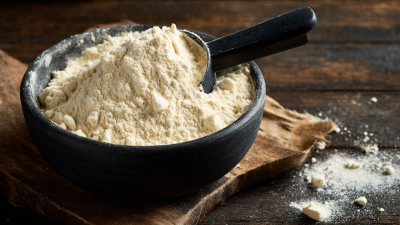
For global buyers, protein isolate is often chosen for its high protein concentration and clean formulation. In practical purchasing, a scoop may deliver more protein with less lactose, fat, and carbohydrate than concentrate. That matters. It can simplify nutrition panels, shipping calculations, and portion planning across different markets. Still, “clean” does not mean universally better.

Whey concentrate usually costs less and retains more milk components, but its lactose level can vary. Whey isolate undergoes extra filtration, making it useful for buyers managing lactose intake or tighter macronutrient targets. Hydrolyzed protein is broken into smaller peptides and may digest faster, yet processing can raise cost and alter taste. Plant isolates, such as pea or rice protein, avoid dairy and suit vegan formulations. However, their amino acid balance and texture may require blending or recipe adjustments.

During supplier evaluations, I would check the certificate of analysis, allergen controls, solubility, and batch consistency before comparing price. A low-lactose label deserves verification. Testing should match local regulations and intended use, especially in sports nutrition, beverages, or meal replacements. Isolate can perform well in a clear drink, but it may foam or taste dry in a simple shaker. That detail is easy to miss. The best choice depends on protein targets, dietary needs, processing conditions, and total landed cost—not the word “isolate” alone.

What Nutritional Benefits Make Isolate Protein Attractive Globally?

Why Choose Isolate Protein for Global Buyers?

What Nutritional Benefits Make Isolate Protein Attractive Globally?

Isolate protein appeals to global buyers because it delivers a high protein percentage in a compact format. Many products contain minimal fat and carbohydrates after filtration. This profile suits sports nutrition, meal planning, and convenient daily recovery. It can also help manufacturers create cleaner nutrition labels. However, exact values vary by source and processing method.

Its amino acid profile is another important advantage. Many isolates provide essential amino acids, including leucine, which supports muscle protein synthesis when total dietary protein is adequate. The powder mixes easily into water, yogurt, or smoothies. That matters in busy cities, where consumers often need quick nutrition between work and training. Some buyers also prefer isolate protein because it usually contains less lactose than concentrate. It is not always lactose-free.

In practical sourcing reviews, reliable buyers examine the nutrition panel, allergen statement, and batch testing documents. They should check protein content, moisture, additives, and contaminant controls before approving a shipment. Digestibility can be useful, but it differs between individuals. People with milk allergies still need caution, even when lactose levels are low. Isolate protein is not a perfect food. It cannot replace fiber, vitamins, minerals, or varied whole-food meals. Global demand is strong, yet nutrition claims should remain precise and evidence-based.

Which Industries and Consumers Commonly Use Isolate Protein?

Why Choose Isolate Protein for Global Buyers?

Isolate protein serves several industries because it offers concentrated protein with relatively low levels of fat and carbohydrates. Sports nutrition manufacturers use it in powders, shakes, bars, and recovery drinks. It can also support beverage, bakery, cereal, and meal replacement production. Some food processors choose whey, soy, pea, or rice isolate based on nutrition targets, allergen policies, and consumer preferences. Each source behaves differently during mixing and heating. That detail matters.

Common consumers include athletes, busy professionals, older adults, and people following vegetarian diets. Some consumers want convenient protein after training. Others add it to breakfast smoothies or small snacks. Clinical and senior nutrition products may also use isolate protein under professional guidance. However, protein content alone does not guarantee a suitable product. Taste, texture, digestibility, amino acid balance, and local labeling rules require careful review. I sometimes see buyers focus too heavily on the specification sheet. That can be a costly mistake.

Tips: Check the protein source, amino acid profile, solubility, allergen statement, and certificate documentation. Test the powder in the final recipe, not only in water. Confirm local standards before shipment. Most importantly, match the ingredient to the actual consumer. A sports drink and an elder nutrition product should not use the same formula blindly.

Why Choose Isolate Protein for Global Buyers?

Typical protein content of widely used protein isolates, shown as grams of protein per 100 grams of ingredient.

Why industries use isolates: Their high protein concentration, relatively low fat and carbohydrate content, neutral formats, and flexible processing characteristics make them suitable for sports nutrition, meal replacements, clinical nutrition, fortified foods, bakery products, beverages, and plant-based food formulations.

Common consumers: Athletes and active adults, people seeking convenient high-protein foods, vegetarians and vegans, older adults, and consumers managing calorie intake. Values are representative specifications; actual protein content varies by ingredient grade and supplier.

What Should Global Buyers Consider Before Purchasing Isolate Protein?

Why Choose Isolate Protein for Global Buyers?

What Should Global Buyers Consider Before Purchasing Isolate Protein?

Global buyers should examine more than protein percentage before placing an order. Isolate protein often offers high purity and a cleaner nutritional profile. However, processing methods can affect solubility, taste, and texture. Request a current specification sheet, not an old marketing file. Check protein content, moisture, fat, ash, amino acids, and serving size.

Reliable purchasing also depends on documented testing. Ask for a batch-specific certificate of analysis and independent laboratory results. These should cover microbiological limits, heavy metals, allergens, and prohibited contaminants. Confirm the testing methods and laboratory qualifications. A low price means little if repeated batches perform differently. Consistency matters in shakes, bars, and powdered foods.

Regulatory details deserve close attention across destination markets. Review labeling rules, ingredient names, nutrition claims, import documents, and permitted additives before shipment. Verify the production site’s food-safety system and traceability process. Inspect packaging strength, inner liners, lot coding, and remaining shelf life. Humidity can quietly damage powder during ocean transport. It happens.

Buyers should also test a representative sample under real production conditions. Measure dispersion in cold water, foaming, flavor, and storage stability. Do not rely only on laboratory numbers. Some practical questions remain difficult, especially when local regulations change. A written agreement should define specifications, rejection procedures, delivery terms, and corrective actions. No checklist is perfect, but vague requirements create avoidable risk.