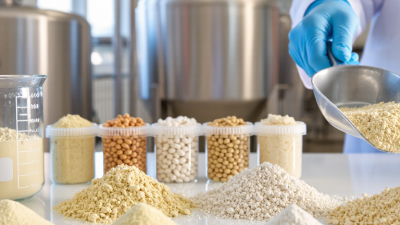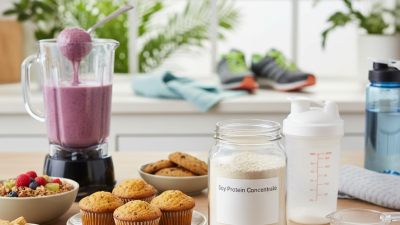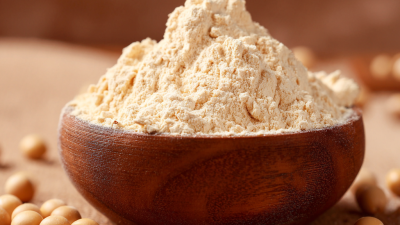
Global buyers are reassessing Soy Protein as food prices, sustainability targets, and consumer expectations continue to change. The best choice is rarely determined by protein percentage alone. A buyer comparing soy protein isolate, concentrate, flour, and textured soy protein must examine solubility, flavor, processing performance, amino acid quality, and application needs.
Dr. Mark Messina, Director of Nutrition Science at Soy Nutrition Institute Global, has stated, “Soy protein is a high-quality protein that provides all the essential amino acids.” This perspective helps explain why Soy Protein remains important in beverages, nutrition products, meat alternatives, bakery foods, and prepared meals. Yet performance differs between products. A clear protein drink may require excellent dispersibility, while textured products need reliable structure, moisture retention, and bite.
Details matter. A sample may look smooth in a laboratory beaker but behave differently in a high-speed factory mixer. Buyers should review supplier experience, origin records, allergen controls, testing procedures, certifications, and batch consistency. Regulatory requirements also vary across markets, so documentation must be checked before shipment.
The shortlist is not perfect. Price can hide processing losses, and a lower-cost ingredient may create more formulation work. Flavor expectations also differ between regions. This guide compares the main Soy Protein types through a practical global-buying lens, linking technical performance with supply reliability, transparency, and final product value.
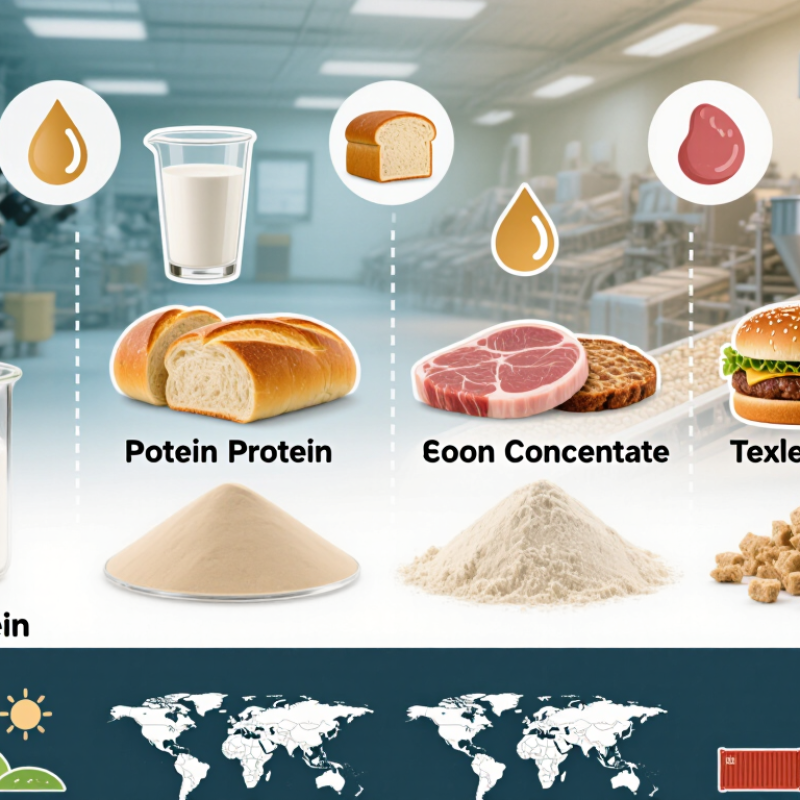
Soy protein starts with a simple fact: it is a plant protein made from soybeans. Processing creates different forms, and each form serves a different nutrition or manufacturing purpose. Soy flour retains more natural soybean components. Soy protein concentrate provides a higher protein share with moderate processing. Soy protein isolate is more refined and usually supports smooth beverages. Textured soy protein adds structure to mince-style foods.
Soy protein contains all nine essential amino acids, although methionine levels are relatively modest. Its value depends on the whole diet, not one ingredient. A serving paired with grains, vegetables, and healthy fats can support balanced nutrition. It also offers useful minerals, but final levels vary after processing. Labels matter. Very much.
Global buyers should examine protein percentage, moisture, solubility, particle size, taste, allergen controls, and microbiological specifications. These details affect shipping stability and factory performance. For drinks, isolate may disperse better, but it can taste more noticeable. Concentrate may suit nutrition bars or bakery mixes. Textured protein works well where bite and water absorption matter. No type is perfect. Lower cost can bring weaker texture or a stronger bean note. I would request a recent specification sheet, certificate of analysis, and small trial sample before contracting. Regional labeling rules and allergen declarations must also be checked with qualified professionals. A buyer’s decision should reflect actual use, not only the highest protein number.
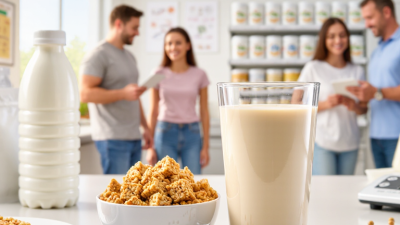
Soy protein flour is the simplest option. Manufacturers grind whole soybeans or defatted flakes into a fine powder. It works well in bakery mixes, sauces, and animal-free foods. However, its flavor can remain noticeably beany.
Soy protein concentrate usually contains about 65–70% protein. Producers remove most of the soluble sugar from defatted flakes through water or diluted ethanol washing. The remaining material is dried and milled.
Soy protein isolate reaches a higher protein level. Manufacturers extract protein with alkaline water, separate insoluble fibers, and precipitate the protein with controlled acidity. They then neutralize and spray-dry it.
Textured soy protein is made by cooking concentrated or isolated protein through extrusion. Heat, moisture, and pressure create fibrous pieces that resemble minced meat. The texture depends strongly on the die design and drying process.
Tips: Match the type to the application, not only the protein percentage. Check solubility, particle size, flavor, color, and microbiological specifications. Request samples from different production lots. Small differences can affect beverages, fillings, and extrusion performance. I would not rely on one laboratory result alone. Processing conditions and storage history can change functionality. Some buyers overlook water quality during production, but it may influence taste and consistency.
2026 Best Soy Protein Types for Global Buyers
How to Compare Soy Protein Quality, Function, and Cost
Global soybean supply remains substantial. The USDA FAS Oilseeds: World Markets and Trade report places annual global production above 400 million metric tons. That scale supports sourcing, but it does not guarantee consistent protein quality. Buyers should request recent certificates for protein, moisture, microbiology, and amino acid content. Small differences matter.
USDA FoodData Central lists defatted soy flour at roughly 51 grams of protein per 100 grams. Soy protein isolate entries often approach 88–90 grams. Concentrate usually falls between these levels, while textured protein offers structure rather than maximum protein density. These figures vary by processing method. Check the actual specification.
Function changes the buying decision. Isolate suits clear drinks and high-protein powders, but it can cost more and show stronger processing notes. Concentrate often balances nutrition, dispersibility, and price. Textured soy protein performs better in minced or formed foods, where water absorption and bite are important. Test hydration at the customer’s real process temperature.
Compare cost per kilogram of usable protein, not cost per kilogram of powder. Include freight, rework, flavor masking, and yield loss. Codex CXS 175-1989 provides a useful reference for soy protein products, but local requirements still need review. I would not trust one laboratory result. Three production lots reveal more. The cheapest option can be the wrong option.
How to compare soy protein quality, functionality, and procurement cost
Usually at least 90% protein on a dry basis. Best suited to high-protein beverages, nutrition products, and applications requiring high solubility and emulsification.
Typically about 65–70% protein on a dry basis. It provides a balance of protein density, water binding, texture, and cost for many food formulations.
Commonly around 50–55% protein on a dry basis. Its main advantage is fibrous texture and water absorption in meat alternatives and prepared foods.
Protein values represent common technical specification levels. The relative cost index uses soy protein concentrate as 100 and is an indicative procurement benchmark, not a market quotation. The functionality index is a practical 1–5 formulation benchmark based on typical solubility, emulsification, water binding, and texturization performance.
Choosing soy protein by application is more practical than selecting one “best” type for every market. Soy protein isolate offers high protein content and a relatively clean texture for beverages, nutrition powders, and medical nutrition formulas. Soy protein concentrate can provide a fuller body in bakery mixes, cereals, and meat alternatives. Textured soy protein adds visible structure, making it useful for patties, fillings, and ready-to-cook products.
Application conditions matter. Heat, pH, salt, and processing pressure can change hydration and mouthfeel. In a neutral beverage, isolate may disperse smoothly, but poor mixing can still create sediment. Concentrate may improve texture in baked foods, although its flavor can become noticeable. Textured formats need controlled soaking time. Results vary more than many specifications suggest. Small pilot trials remain essential.
Tips: Request a current specification sheet, certificate of analysis, allergen statement, and microbiological data before purchasing. Test solubility, viscosity, water absorption, flavor, and stability under the final process. Buyers should also check local labeling and import requirements. A protein that performs well in one region may fail after transport, storage, or recipe changes. Keep two qualified options when supply continuity matters.
Global buyers should assess soy protein by application, not by price alone. Soy protein isolate suits clear beverages and high-protein nutrition products. Concentrate often works better in bakery, snacks, and blended foods. Textured soy protein provides a fibrous bite for meat alternatives. The choice affects hydration, flavor, processing speed, and final texture.
Check the specification sheet closely. Protein content, moisture, particle size, solubility, dispersibility, and microbiological limits need clear targets. Request recent certificates of analysis and independent test results. USDA Foreign Agricultural Service data place global soybean production above 400 million metric tons in recent estimates, but volume does not guarantee consistent quality. Crop origin, storage time, heat treatment, and transport conditions can change performance. Test samples in the actual formula.
Traceability deserves equal attention. OECD-FAO Agricultural Outlook 2024-2033 expects oilseed production to grow steadily, increasing pressure on land, logistics, and verification systems. Ask for documented origin, allergen controls, non-GMO evidence where required, and responsible sourcing records. GFI’s State of the Industry reports show plant-based food sales remain a significant global category, yet demand is not automatically stable. A cheaper ingredient may create more waste during mixing. I would not approve a supplier after one successful sample. Seasonal trials and a second-lot check are safer. Five kilograms can mislead.
| Soy Protein Type | Typical Protein Content (Dry Basis) |
Production Characteristics | Best-Fit Applications | Primary Buying Factors for 2026 | Functional and Formulation Notes | Recommended Quality Checks | Relative Sourcing Priority |
|---|---|---|---|---|---|---|---|
| Soy Flour | Approximately 40–50% | Produced by grinding whole or defatted soybeans. It may be full-fat, low-fat, or defatted and is generally less refined than protein concentrate or isolate. | Bakery products, cereal foods, nutrition bars, sauces, animal-feed formulations, and products requiring moderate protein enrichment. | Defatted or full-fat specification; particle size; residual oil; moisture; lecithin content; beany flavor; allergen documentation; and price stability. | Provides protein, water absorption, emulsification, and nutritional enrichment. Full-fat grades have higher energy content and greater oxidation sensitivity. | Protein on a dry basis, moisture, fat, peroxide value for full-fat material, urease activity, microbiological quality, and absence of foreign material. | Cost-Efficient |
| Soy Protein Concentrate | At least 65% commonly 65–70% |
Made by removing part of the soluble non-protein components from defatted soy flour while retaining a substantial portion of the soy protein matrix. | Meat alternatives, processed meat, high-protein beverages, nutrition products, bakery fillings, and animal nutrition. | Protein level; solubility; water-holding capacity; viscosity; flavor profile; texture performance; carbohydrate and fiber content; and process consistency. | Offers a balance between protein density, functionality, and cost. It can improve binding and water retention in structured and emulsified foods. | Protein, moisture, pH, dispersibility, water-holding capacity, gel strength where relevant, microbiological limits, and sensory profile. | Balanced Value |
| Soy Protein Isolate | At least 90% commonly 90% or higher |
Highly purified soy protein produced by separating most non-protein components from defatted soy material. | Protein drinks, medical and sports nutrition, clear or neutral beverages, meat analogues, emulsified foods, and specialized nutrition formulas. | Protein purity; solubility across the target pH range; dispersibility; flavor; color; heat stability; regulatory compliance; and supply continuity. | Highest protein density among standard soy protein ingredients. Functional performance varies significantly by processing conditions and grade. | Protein, moisture, ash, solubility index, particle size, viscosity, amino-acid profile when required, microbiological testing, and heavy-metal screening. | Premium Performance |
| Textured Soy Protein | Approximately 50–70% | Usually produced by thermoplastic extrusion of defatted soy flour or concentrate into granules, flakes, chunks, or other structured formats. | Plant-based meat, fillings, ready meals, burgers, nuggets, sauces, and foodservice products requiring a meat-like bite. | Texture format; particle size; hydration ratio; water absorption; expansion; bite and chew; color; flavor; and compatibility with the buyer’s extrusion or cooking process. | Provides structure and moisture management. Hydration behavior and final texture can change with temperature, shear, formulation, and cooking time. | Protein, moisture, bulk density, hydration capacity, expansion ratio, texture after rehydration, microbiological quality, and sensory evaluation in the finished recipe. | High Growth Fit |
| Hydrolyzed Soy Protein | Typically 70–90% depending on the specification |
Produced by enzymatic or chemical hydrolysis of soy protein, creating smaller peptides and changing solubility and flavor characteristics. | Savory seasonings, soups, sauces, instant foods, flavor systems, nutrition products, and formulations requiring readily dispersible protein or savory notes. | Degree of hydrolysis; peptide profile; flavor intensity; sodium level; free amino nitrogen; solubility; processing method; and labeling requirements. | Usually disperses readily and can contribute savory taste. Excessive hydrolysis may create bitterness or a less desirable flavor profile. | Protein, moisture, pH, degree of hydrolysis, sodium, microbiological quality, allergen status, and sensory testing for bitterness or off-notes. | Specialized Use |
| Soy Protein Crisps | Approximately 50–70% | Expanded or extruded soy protein pieces designed to provide a light, crisp structure and a concentrated protein contribution. | Protein bars, cereals, snacks, confectionery inclusions, granola, and fortified bakery products. | Crunch retention; bulk density; particle size; moisture migration resistance; coating compatibility; flavor; packaging barrier performance; and shelf-life stability. | Texture is highly sensitive to humidity and water activity. Crisps may require moisture-barrier packaging or protective coatings in finished products. | Protein, moisture, water activity, bulk density, crispness over shelf life, oxidation indicators, microbiological quality, and packaging compatibility. | Format Driven |
| Defatted Soy Grits | Approximately 40–50% | Coarsely milled defatted soybean material with a larger particle size than soy flour, offering a more noticeable particulate structure. | Extruded foods, meat extenders, bakery products, cereal blends, snack products, and animal nutrition. | Particle-size distribution; moisture; protein; water absorption; thermal stability; flavor; foreign-material control; and consistency between lots. | Useful where particulate structure and moderate protein enrichment are desired. It generally requires process optimization for uniform hydration. | Protein, moisture, particle-size distribution, water absorption, microbiological quality, urease activity, and sensory evaluation. | Industrial Utility |
| Soy Protein Blends | Depends on the blend | Combination of soy protein ingredients, often formulated to balance protein density, solubility, texture, cost, and sensory performance. | Plant-based foods, beverages, nutrition powders, bakery mixes, foodservice formulations, and applications requiring customized functionality. | Exact composition; batch-to-batch uniformity; compatibility with local regulations; declared allergens; performance in the final formula; and technical support. | Can optimize cost and functionality, but performance must be validated because the characteristics depend on the ratio and processing history of each component. | Full ingredient breakdown, protein, moisture, pH, solubility, viscosity or texture data, microbiological quality, allergen statement, and application trials. | Customization Focus |