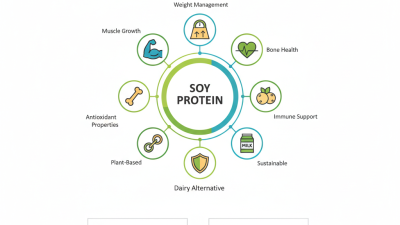
Top 10 Benefits of Soy Protein Shakes for Health and Fitness?
Soy Protein Shakes have gained popularity among health enthusiasts and fitness professionals. These shakes are not just a convenient source of protein; they offer numerous benefits for overall well-being. Harnessing the power of soy, these shakes can elevate your nutrition and enhance your workout gains.
Research shows that Soy Protein Shakes can support muscle growth and recovery. They contain essential amino acids that aid in muscle repair. Some people find it challenging to consume enough protein through whole foods alone. In such cases, soy shakes become an efficient alternative. Incorporating these shakes into daily routines may also help manage weight and promote heart health.
Beyond fitness, Soy Protein Shakes provide valuable nutrients. They are a source of fiber, which supports digestion. However, individual reactions to soy can vary. Some may experience digestive discomfort, highlighting the importance of listening to your body. Understanding how these shakes affect you personally is crucial in maximizing their benefits.
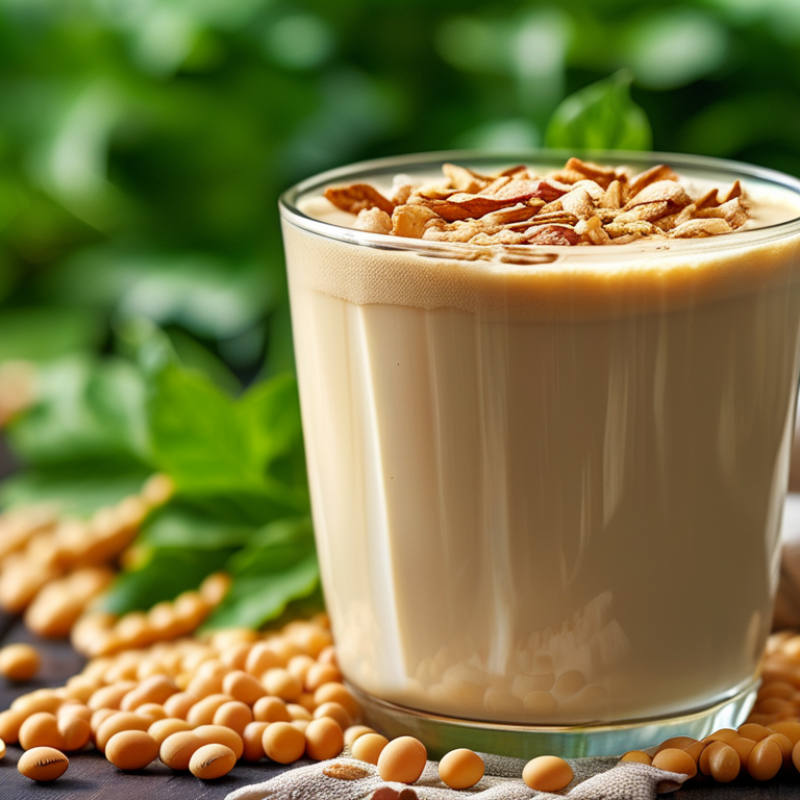
Benefits of Soy Protein Shakes for Muscle Building and Recovery
Soy protein shakes have gained popularity in fitness circles, especially for muscle building and recovery. These shakes are rich in essential amino acids, making them a great source of protein. After intense workouts, muscles need the right nutrients to repair. Soy protein helps in this recovery process, promoting muscle growth and strength.
Many individuals find it challenging to meet their protein needs with food alone. Integrating soy protein shakes can address this gap effectively. They are plant-based and suitable for various diets. This makes them accessible for vegetarians and vegans. However, it's important to choose high-quality soy protein and consume it in moderation. Over-reliance on shakes might lead to nutrient imbalances.
It's worth noting that some people may experience digestive discomfort with soy products. Listening to your body is crucial. While soy protein is beneficial for recovery, it's not a one-size-fits-all solution. Combining different protein sources can provide a more balanced approach. Emphasizing whole foods alongside protein shakes can lead to better overall health.
Impact of Soy Protein on Weight Management and Fat Loss
Soy protein shakes have gained attention for their potential in
weight management and fat loss. Research indicates that soy protein can help
reduce body fat while preserving muscle mass. A study published in the
Journal of Nutrition revealed that participants consuming soy protein experienced significant
decreases in body weight and fat percentage. The balanced amino acid profile of soy supports lean muscle development and enhances
metabolic rates.
Moreover, soy protein shakes can promote satiety. A study by the
American Journal of Clinical Nutrition found that individuals who included soy protein in their
diets reported feeling fuller compared to those consuming other protein sources. This can lead to reduced calorie intake over time,
aiding weight management.
Incorporating soy protein into a balanced diet is not without challenges. Some individuals may find it difficult to digest or may
have soy allergies, which can complicate its use. Additionally,
individual responses to soy protein can vary significantly. It's essential to consult with a health professional to determine its role
in personal health and fitness goals. Despite these considerations, the potential benefits of soy protein shakes in weight management
are supported by emerging research.
Soy Protein Shakes as a Source of Essential Amino Acids
Soy protein shakes are becoming increasingly popular among health enthusiasts. They are rich in essential amino acids, which are vital for various bodily functions. Research indicates that soy protein contains all nine essential amino acids, making it a complete protein source. In fact, the Food and Agriculture Organization (FAO) underscores soy's significance in human nutrition, particularly for those on plant-based diets.
A study published in the American Journal of Clinical Nutrition noted that incorporating soy protein into diets could support muscle growth and recovery. Athletes often seek out sources of protein to enhance their performance. Soy protein has been shown to stimulate muscle protein synthesis effectively, similar to dairy-based proteins. This makes soy protein shakes a viable option for those looking to optimize athletic performance.
Moreover, soy protein shakes can help with weight management. Research from the Journal of Nutrition indicates that protein-rich diets can promote satiety and reduce overall calorie intake. However, it is crucial to remember that not all protein sources are created equal. Some may contain additives or excessive sugars, which could undermine their health benefits. Therefore, it is essential to choose high-quality soy protein shakes to reap their advantages fully.
Effects of Soy Protein on Heart Health and Cholesterol Levels
Soy protein shakes have gained attention for their potential health benefits, particularly for heart health. Research indicates that consuming soy protein can positively influence cholesterol levels. A study in the "American Journal of Clinical Nutrition" found that regular soy protein intake can lower LDL (bad cholesterol) levels by up to 10%. This effect is crucial since high LDL levels are linked to an increased risk of heart disease.
Moreover, soy protein contains isoflavones, which have antioxidant properties. These compounds may improve endothelial function, a key aspect of cardiovascular health. Another study published in "Circulation" highlighted that individuals who consume soy protein regularly had a 20% lower risk of coronary heart disease. This suggests that soy protein might play a role in maintaining healthy heart function.
However, not all studies align perfectly. Some research indicates that the heart health benefits of soy protein may be less significant for specific populations. Genetic factors and dietary patterns can influence how effectively soy protein affects cholesterol. Therefore, while many individuals may benefit from soy protein shakes, it’s essential to evaluate personal health conditions. A tailored approach to diet is often more effective than a one-size-fits-all method.
Nutritional Advantages of Soy Protein Over Other Protein Sources
Soy protein offers notable advantages for health and fitness. Compared to animal-based proteins, soy protein is plant-derived and suits various dietary preferences. This makes it an excellent choice for vegans and those with lactose intolerance. Additionally, soy protein contains all essential amino acids, vital for muscle repair and growth.
Rich in isoflavones, soy protein may support heart health. Research indicates it can help reduce cholesterol levels. This benefit contrasts with some animal proteins, often high in saturated fats. Furthermore, soy protein aids weight management by promoting satiety. It can keep you feeling full longer, which can help with calorie control.
Using soy protein can reflect a commitment to sustainability. It typically has a lower environmental impact compared to animal farming. However, some individuals may need to monitor their intake due to potential allergies. Balancing soy protein with other sources is essential to avoid excessive consumption. Integrating a variety of proteins can ensure a well-rounded diet.