Leave Your Message

China Top Soy Protein Concentrate Suppliers and Manufacturers

China has become an important sourcing base for plant-based ingredients, including Soy Protein Concentrate. Buyers use it in meat alternatives, nutrition products, baked goods, and animal feed. Its protein content, flavor, solubility, and processing performance can vary by grade and manufacturer. A clear product specification is essential.

This guide introduces Chinese suppliers and manufacturers, with practical points for evaluating their products and capabilities. Look for current technical data, batch-level quality records, and clear information about processing methods. Ask how the supplier manages consistency across shipments. Request samples and test them in your own formulation; a powder that performs well in a brochure may behave differently in a mixing tank or extruder. Details matter.

Price alone rarely tells the full story. Production capacity, lead times, packaging, traceability, and technical support may affect whether a supplier suits your operation. Buyers should also confirm that product documentation matches their intended market and application. Requirements can differ. This overview is a starting point, not a substitute for direct supplier checks or independent testing. Some comparisons may remain incomplete, since public information does not always reveal factory-level practices. That limitation is worth keeping in mind.
China Top Soy Protein Concentrate Suppliers and Manufacturers

What Soy Protein Concentrate Is and How It Is Made

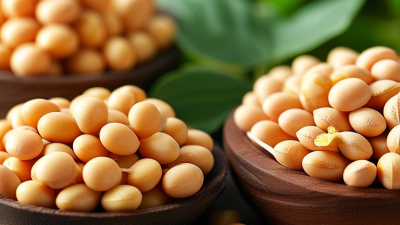
Soy protein concentrate is a refined ingredient made from cleaned soybeans. It usually contains at least 65% protein on a moisture-free basis, according to Codex Alimentarius Standard CXS 175-1989. It is not the same as soy flour or soy isolate. Concentrate keeps more of the bean’s natural structure while removing much of its oil and soluble carbohydrates.

It starts with beans. Manufacturers clean, dehull, crack, and heat-treat the soybeans. Mechanical pressing or solvent extraction removes most of the oil. The remaining flakes are washed with water, alcohol, or a controlled aqueous process. This step removes soluble sugars while retaining protein and dietary fiber. The wet material is then separated, dried, milled, and tested for protein, moisture, microbiological safety, and residual processing solvents.

The scale is substantial. The USDA Foreign Agricultural Service estimated global soybean production at about 397 million metric tons in 2023/24. That supply supports food, feed, and protein ingredient markets. Yet production is not automatically consistent. Raw soybean variety, storage humidity, heat exposure, and extraction conditions can change color, flavor, solubility, and texture. A pale powder may still perform poorly in a beverage. Supplier audits should examine batch records, allergen controls, laboratory certificates, and traceability. This part is often underestimated. Protein percentage alone does not prove functional quality.

Key Applications of Soy Protein Concentrate in Food and Feed

China’s soy protein concentrate suppliers support both food and feed manufacturers. USDA Foreign Agricultural Service projected global soybean production at about 422 million metric tons for 2024/25. This large supply base supports steady protein ingredient development. Soy protein concentrate usually contains at least 65% protein on a dry basis. In food, it improves texture, water retention, and protein density. Common uses include meat alternatives, bakery fillings, nutrition drinks, and cereal products. It can create a firmer bite. Yet protein percentage alone can mislead.

Tips: Check the certificate of analysis, not only the product sheet. Confirm protein content, moisture, particle size, microbiological results, and allergen controls. For food applications, test hydration time and flavor in the final recipe. Soy concentrate may absorb water differently after heating. Small trials prevent expensive reformulation.

Feed use is equally important. Soy protein concentrate can replace part of conventional protein meals in aquaculture, piglet, poultry, and pet diets. Its lower level of antinutritional factors can support young-animal formulas, especially when digestibility matters. FAO’s State of World Fisheries and Aquaculture 2024 recorded 185.4 million tonnes of global fisheries and aquaculture production in 2022. That scale increases demand for practical feed proteins. However, soy concentrate is not a perfect substitute in every ration. Amino-acid balance, palatability, processing temperature, and cost still require professional formulation. Suppliers should provide traceability from raw beans to finished powder.

Overview of China’s Soy Protein Concentrate Industry

China’s soy protein concentrate industry is built on a large soybean-processing base. China Customs reported 99.41 million tonnes of soybean imports in 2023. USDA Foreign Agricultural Service expects imports to remain above 100 million tonnes in the 2024/25 season. This scale supports steady access to raw materials, but supply does not automatically guarantee consistent concentrate quality.

Manufacturers commonly produce soy protein concentrate by removing soluble sugars from defatted soybean meal. The process improves protein density and supports use in meat alternatives, nutrition products, and formulated foods. MarketsandMarkets estimated continued growth in global soy protein demand through 2028, driven by plant-based diets and protein fortification. China’s processing clusters benefit from ports, oilseed crushing capacity, and established food ingredient logistics.

Practical procurement still requires attention to protein content, moisture, microbiological results, and allergen controls.

Specification gaps remain. A quoted protein level may use a different testing basis. That matters. Buyers should compare dry-basis protein, solubility, particle size, and batch records. In factory evaluations, traceability from imported beans to finished powder is often more useful than a low price.

Public data also has limits, because Chinese concentrate output is not always reported as a separate category. Industry estimates can therefore look more precise than they really are. Suppliers with clear testing methods and stable documentation are easier to assess.

Leading Chinese Suppliers and Manufacturers

China Top Soy Protein Concentrate Suppliers and Manufacturers

Leading Chinese suppliers and manufacturers operate within a large, increasingly technical soybean market. China Customs Statistics recorded about 105 million metric tons of soybean imports in 2024. The USDA’s Oilseeds: World Markets and Trade report projects approximately 109 million metric tons for 2024/25. This scale supports steady access to raw materials, but it does not guarantee consistent concentrate quality.

Experienced Chinese manufacturers usually control protein concentration, moisture, particle size, and microbiological limits through documented testing. Buyers should request recent certificates for protein content, allergens, heavy metals, and pesticide residues. HACCP, ISO 22000, and traceability records provide useful evidence. They are not magic.

Production details matter. A reliable facility should explain defatting methods, heat treatment, drying temperatures, and storage conditions. These factors influence solubility, flavor, color, and performance in beverages or nutrition products. The OECD-FAO Agricultural Outlook 2024–2033 expects continued growth in global oilseed demand, increasing pressure on sourcing and processing efficiency.

Chinese suppliers may offer flexible packaging, export experience, and customized specifications. However, low pricing can hide weaker testing or inconsistent batches. This is where buyers should remain skeptical. A sample may perform well, while later lots vary. Independent laboratory verification and a written specification reduce that risk. Supplier audits also reveal practical details, including warehouse humidity, batch labeling, and cleaning routines. Data helps. Direct observation helps more.

China Soy Protein Concentrate Supplier Benchmark

The chart presents commonly used commercial specification ranges for soy protein concentrate: protein is typically specified at a minimum of 65%, while moisture, fat, and ash limits vary by product grade and application. Actual requirements should be confirmed through supplier technical data sheets and quality certificates.

How to Evaluate and Select a Chinese Supplier

China Top Soy Protein Concentrate Suppliers and Manufacturers

How to Evaluate and Select a Chinese Supplier

A reliable supplier should provide a complete product specification before quoting. Check protein content, moisture, ash, solubility, amino acid profile, and processing method. Ask for recent certificates of analysis, not generic templates. Independent laboratory reports can confirm microbiological limits, heavy metals, allergens, and pesticide residues. Samples should match the stated specification after testing.

Supplier experience matters beyond factory size. Review production capacity, quality-control procedures, traceability records, and export documentation. Request a video inspection or arrange an on-site audit when volumes justify the cost. Confirm whether the facility controls raw material storage, batch coding, and packaging conditions. Clear answers usually indicate stronger operational discipline.

Commercial details deserve equal attention. Compare minimum order quantities, lead times, shelf life, packaging options, payment terms, and delivery responsibilities. Ask how the supplier handles rejected batches or delayed shipments. Communication should remain precise after the sample stage. No checklist is perfect. A supplier may pass paperwork but still deliver inconsistent texture. I would test multiple batches before signing a long-term agreement. Keep written records of every agreed specification.