Why Choose Weight Protein Powder for Global Buyers?
Global buyers are looking for more than attractive packaging and low prices. They want reliable nutrition, clear labeling, and consistent product quality. Weight Protein Powder can support weight-management goals when used with balanced meals, suitable exercise, and realistic expectations. It is not a replacement for a complete diet.
Dr. Stuart Phillips, a leading protein-metabolism researcher at McMaster University, has stated, “Protein is important, but it is not a magic bullet.” This practical warning matters. Buyers should examine protein sources, amino acid profiles, serving sizes, allergen declarations, and independent laboratory testing. A product may look impressive online yet provide little useful information. That remains a common weakness.
For international purchasers, manufacturing controls are equally important. GMP-certified facilities, batch traceability, secure packaging, and stable shelf life can reduce supply risks. Buyers should also check whether the formula suits local labeling rules and consumer preferences. Vanilla may sell well in one region, while coffee or unflavored powder performs better elsewhere.
Taste and texture influence repeat purchases. A powder that clumps in a shaker often loses customer trust. Digestive tolerance also deserves attention, especially for buyers comparing whey, plant, or blended proteins. No formula suits every market. That uncertainty should encourage careful testing, not exaggerated claims.
The strongest choice combines transparent sourcing, verified quality, practical formulation, and responsible communication. Weight Protein Powder can be commercially valuable, but only when evidence supports its promises. Global buyers should ask difficult questions before placing large orders. That is where long-term credibility begins.
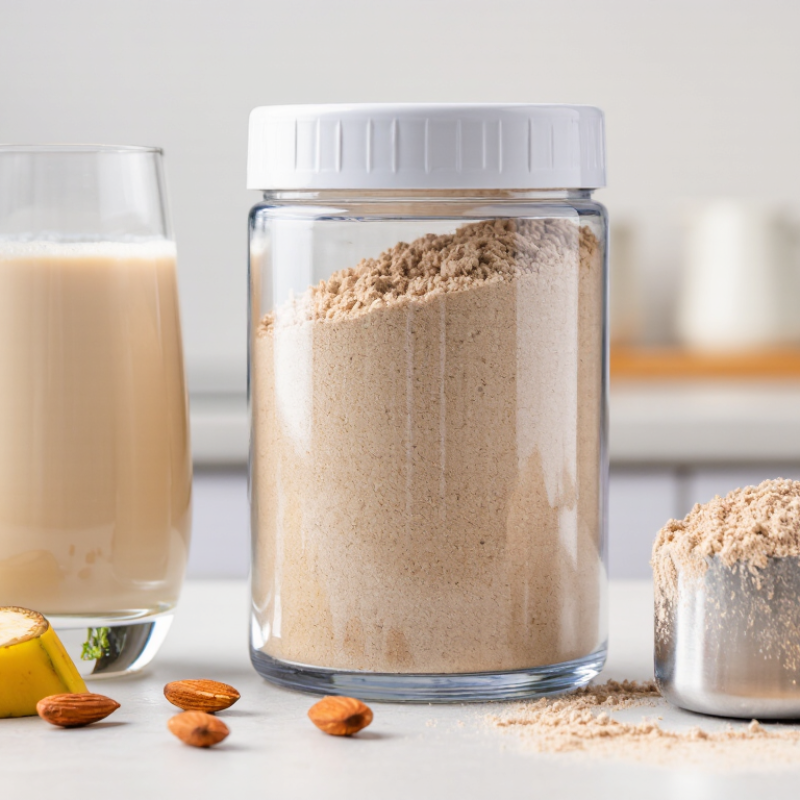
Weight protein powder usually means a calorie-dense supplement containing protein, carbohydrates, and sometimes fats. It is designed for people who struggle to gain body weight through regular meals alone. The powder does not create muscle by itself. It supplies building materials and extra energy when combined with resistance training and adequate rest.
After mixing it with water or milk, the digestive system breaks protein into amino acids. Muscles use these amino acids to repair tissue after training. Carbohydrates can replenish muscle glycogen, while fats increase the drink’s calorie content. A practical serving might include oats, milk, banana, and the powder. Check the nutrition label carefully. Serving sizes vary widely. Some products contain far more sugar than expected.
The right amount depends on body size, activity, appetite, and ordinary food intake. A dietitian can help people with medical conditions, allergies, or digestive concerns. More powder is not always better. It may cause bloating or replace nutritious meals if used carelessly. That is an easy mistake to make. A food diary can reveal whether the supplement truly adds useful calories. Results also depend on consistent training, sleep, and patience, not a single shake.
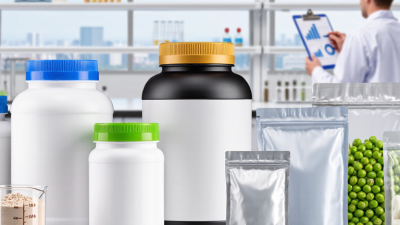
For global buyers, protein value matters more than a fashionable flavor. The FAO/WHO/UNU expert consultation sets the adult protein reference at about 0.83 grams per kilogram of body weight daily. Active consumers may need more. The International Society of Sports Nutrition suggests roughly 1.4–2.0 grams per kilogram for exercising adults. These figures help buyers compare serving sizes honestly, especially when a scoop contains only 15 grams of protein.
Protein grams are not the whole story. Buyers should examine amino acid quality, digestibility, calories, sugar, and saturated fat. The FAO’s DIAAS framework offers a more useful way to assess protein quality than crude percentage alone. A powder with 25 grams of protein may still disappoint if it contains excessive sweeteners or lacks clear allergen information. Weight-conscious shoppers often prefer a practical serving near 100–150 calories, but personal diets differ.
I would still question “high protein” claims. The label needs independent testing, accurate nutrition values, and clear serving instructions. Look for batch details and evidence of contaminant screening. These small details matter across borders, where standards and consumer expectations vary. A useful product should mix smoothly in a shaker, taste acceptable in water, and fit a balanced diet. It should not pretend to replace meals, sleep, or resistance training.
Global buyers should compare protein sources before comparing prices. Whey and milk proteins usually provide complete amino acid profiles. Soy is also a complete protein. Pea and rice proteins may need careful pairing. The FAO Expert Consultation report (2013) recommends the DIAAS method for assessing protein quality. DIAAS considers amino acid digestibility more precisely than older scoring methods. Higher numbers can indicate better usable protein, but the score is not the whole story.
Look at leucine, total protein, and serving size. The International Society of Sports Nutrition’s 2017 position stand reports that many active adults use 1.4–2.0 grams of protein per kilogram of body weight daily. That figure is a planning reference, not a universal prescription. Check whether the label states protein in grams, not only “protein blend.” A 30-gram scoop should not quietly deliver 18 grams of protein. Read the fine print.
Quality requires more than taste and instant mixing. Buyers should request batch testing for microbiological safety, heavy metals, and label accuracy. Testing by an ISO/IEC 17025-accredited laboratory adds useful evidence. Manufacturing controls aligned with recognized good manufacturing practices also matter. Codex Alimentarius guidance supports consistent hygiene and contaminant control across food production. Still, certificates can be incomplete or outdated. I would verify the test date, batch number, and laboratory scope. No comparison is perfect. Even DIAAS may not reflect every consumer’s digestion, diet, or health needs.
Why Choose Weight Protein Powder for Global Buyers?
What Manufacturing Standards Support Safe International Purchasing?
Global buyers need more than an attractive nutrition label. They need controlled manufacturing, traceable ingredients, and clear testing records. Protein powder should come from facilities using HACCP-based risk controls and a documented food safety management system, such as ISO 22000. These systems monitor contamination risks, allergen handling, sanitation, and batch release procedures.
The need is substantial. The World Health Organization estimates that contaminated food causes about 600 million illnesses and 420,000 deaths worldwide each year, according to its global burden report. This figure covers food generally, but it shows why protein products require disciplined controls. Codex Alimentarius guidance also supports hygienic design, hazard analysis, and verified corrective actions. A certificate alone is not proof. That is an uncomfortable but useful point.
Tips: Ask for a recent certificate, batch-specific certificate of analysis, allergen statement, and heavy-metal test. Check whether an independent laboratory performed the analysis. Confirm that the lot number matches the shipping documents. Small details matter.
Experienced importers also review supplier audit results, recall procedures, stability data, and packaging controls. Testing should cover protein content, microbiological safety, and possible adulteration risks. Requirements differ across markets, so buyers should compare documents with destination-country rules before ordering. Digital traceability helps, but systems can still contain errors. Request samples, verify records, and keep written approval criteria for every shipment.
| Manufacturing Dimension | Recognized Standard or Control | What It Verifies | Typical Evidence for Buyers | International Purchasing Value | Assessment |
|---|---|---|---|---|---|
| Food Manufacturing Hygiene | Good Manufacturing Practices, including applicable food or dietary-supplement GMP requirements | Controls facility hygiene, equipment sanitation, personnel practices, production procedures, and recordkeeping. | Current GMP certificate, sanitation records, training records, batch-production documentation, and audit reports. | Reduces contamination and process-variation risks before the protein powder is released for sale. | Core requirement |
| Hazard Prevention | HACCP principles and preventive food-safety controls | Identifies biological, chemical, and physical hazards and defines critical controls during receiving, processing, packing, and storage. | Hazard analysis, process flow chart, critical-control records, corrective-action logs, and verification results. | Provides a structured way to evaluate safety risks across international supply chains. | Core requirement |
| Food-Safety Management | ISO 22000 or an equivalent independently audited food-safety management system | Combines prerequisite programs, hazard analysis, communication, management responsibility, and continual improvement. | Valid certificate, certification scope, audit date, certificate number, and covered production site. | Creates a common documentation framework that is easier for global buyers to review. | Strong support |
| Identity and Protein Content | Validated laboratory methods and batch-specific quality testing | Confirms that the declared protein source and measured protein content match the product specification and applicable labeling rules. | Certificate of analysis, test method, sampling date, batch number, protein result, moisture result, and laboratory accreditation details. | Helps buyers compare specifications, verify label accuracy, and manage customs or customer requirements. | Batch essential |
| Microbiological Safety | Microbiological specifications established by the destination market and product category | Checks relevant indicators and pathogens, which may include total plate count, yeast and mold, coliforms, Salmonella, or other legally applicable organisms. | Batch laboratory report, sampling plan, analytical method, detection limit, and pass/fail interpretation against the applicable specification. | Supports safe release decisions and reduces the risk of rejected or detained shipments. | Batch essential |
| Contaminant Control | Destination-market limits for heavy metals, mycotoxins, pesticides, and other applicable contaminants | Evaluates contaminants that can originate from agricultural ingredients, processing equipment, packaging, or the environment. | Risk-based contaminant test results, raw-material specifications, supplier approvals, and comparison with destination-country limits. | Important because legal maximum levels differ by jurisdiction and may affect import clearance. | Market specific |
| Allergen and Cross-Contact Management | Documented allergen-control program and accurate allergen declaration | Controls shared equipment, cleaning validation, ingredient segregation, rework, and labeling for allergens such as milk, soy, egg, or wheat where applicable. | Allergen matrix, cleaning records, validated changeover procedures, supplier declarations, and finished-product label review. | Protects sensitive consumers and supports compliance with the importing country’s labeling requirements. | Label critical |
| Traceability and Recall Readiness | One-step-back and one-step-forward traceability procedures | Links finished goods to raw materials, production records, packaging components, shipment details, and customers. | Lot-code system, supplier records, production batch records, shipping records, mock-recall results, and recall procedure. | Enables faster investigation, targeted withdrawal, and clearer responsibility if a quality issue occurs. | Core requirement |
| Packaging and Shelf-Life Protection | Packaging specifications, seal-integrity checks, and stability or shelf-life evaluation | Assesses protection against moisture, oxygen, light, physical damage, and loss of seal integrity during storage and transportation. | Packaging specification, migration or suitability documentation where required, seal-test records, storage conditions, and shelf-life data. | Helps preserve powder quality across long-distance shipping and different climate conditions. | Logistics essential |
| Laboratory Competence | Testing by a competent internal laboratory or an independently accredited laboratory | Confirms that analytical methods, calibration, sampling, personnel competence, and reporting practices are controlled. | Laboratory accreditation scope, method references, calibration records, sample chain of custody, and signed analytical report. | Improves confidence that certificates of analysis are technically reliable and comparable across suppliers. | Strong support |
| Import Documentation | Destination-country regulatory and customs documentation | Confirms that product classification, ingredient statement, nutrition information, certificates, invoices, and shipping documents are consistent. | Commercial invoice, packing list, certificate of analysis, origin documentation, product specification, and required health or conformity documents. | Reduces avoidable customs delays and helps buyers prepare compliant market-entry files. | Market specific |
For global buyers, protein powder pricing should be measured beyond the quoted price per kilogram. A lower factory price may hide higher freight, insurance, duties, or inspection fees. Buyers should compare landed cost, minimum order quantity, payment terms, and expected product loss during handling. Currency changes can also affect the final budget. No forecast is perfect.
Packaging influences both product quality and import efficiency. A moisture-resistant inner bag can protect powder during humid ocean transport. Strong cartons reduce damage when pallets are stacked. Clear labels should show net weight, batch number, ingredients, allergens, storage conditions, and production dates. Some markets require translated information. This detail is easy to overlook. Oversized packaging may also increase storage and shipping costs.
Logistics can decide whether a purchase succeeds. Buyers should confirm production time, loading dates, port options, and customs documents before placing an order. Stable pallet dimensions make warehouse planning easier. Temperature and humidity records may support quality checks, especially during long routes. Reliable suppliers should provide consistent documentation and respond quickly to unexpected delays. Still, communication can fail across time zones. A written delivery plan helps, but it cannot remove every risk.