What Is the Best Protein Powder With Iron in 2026?
Choosing the best Protein Powder With Iron in 2026 is not as simple as finding the biggest number on the label. Iron needs vary with age, diet, health, and life stage, while protein goals differ too. A scoop that suits one person may be unnecessary—or poorly tolerated—for another. That matters.
This guide looks beyond front-label promises. It considers iron amount and form, protein quality, serving size, added sugars, allergens, and whether the manufacturer provides clear testing information. A label should state how much iron one serving supplies, not merely advertise “iron enriched.” Small details matter. For example, compare the powder’s iron per scoop with your usual meals, and check whether its flavor, texture, and mixing instructions fit your routine. A chalky shake left untouched offers little practical value.
There is a limitation worth keeping in view: supplement labels cannot explain your personal iron status. A clinician can help interpret symptoms and lab results, especially before adding iron or combining products. More is not automatically better, and some people should avoid extra iron unless advised. Protein powder also does not replace a varied diet or prescribed treatment. The comparison ahead will weigh convenience against evidence, transparency, and everyday usability. I may favor a less flashy product if its serving details are clearer; that judgment is imperfect, but it is more useful than treating one “best” pick as right for everyone.
How Protein Powders With Iron Are Formulated
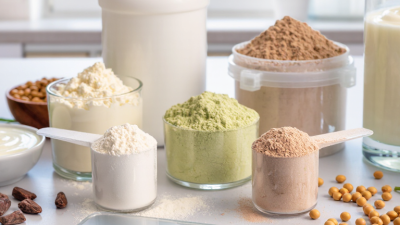
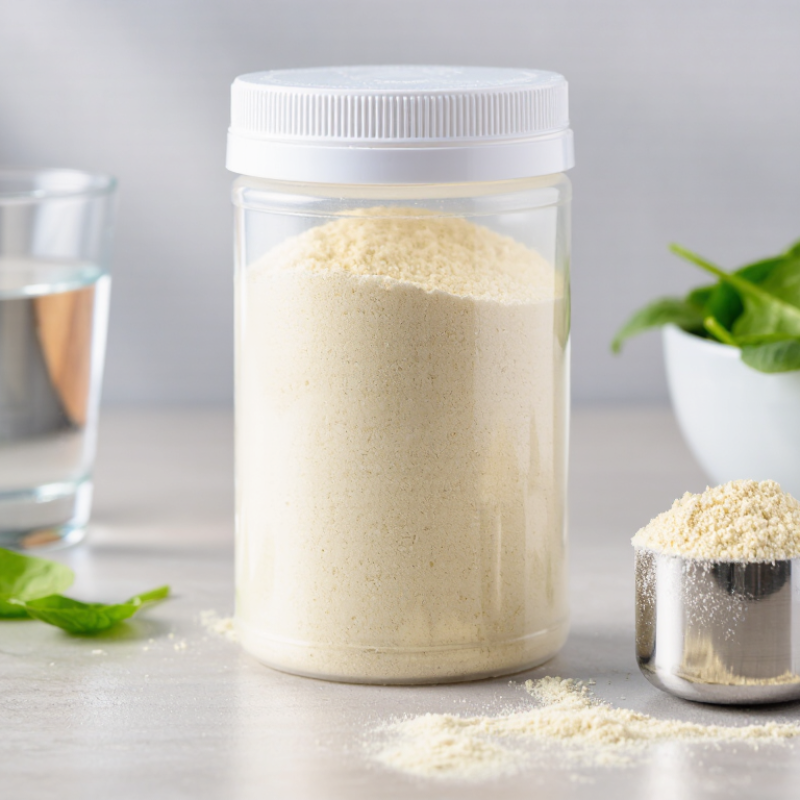
Protein powders with iron are usually formulated in two ways. Iron may occur naturally in the protein ingredient, or be added during blending. Plant proteins can contain small amounts, but levels vary by crop and processing. Fortified formulas use measured iron compounds or chelated forms, blended with protein and flavorings. That sounds simple. Yet iron can affect taste, especially in chocolate or vanilla powders. Minerals may also settle if a container sits for weeks.
Tips: Check the iron amount per serving, not just the front label. Compare it with your needs, and note whether the label lists elemental iron. Shake the container well before use. If you already take iron or have been told to limit it, ask a qualified health professional before adding a fortified shake.
The best formula is not automatically the one with the highest iron number. Look for a tolerable amount and enough protein to fit your meals and activity. Review the ingredients, serving size, and independent quality testing when available. I would not treat a powder as a fix for unexplained fatigue; low energy has many possible causes. Formulas can change, so compare current labels in 2026 rather than relying on an old review.
How to Compare Iron Content, Protein Quality, and Ingredients
What Is the Best Protein Powder With Iron in 2026?
How to Compare Iron Content, Protein Quality, and Ingredients
A useful comparison starts with the Nutrition Facts panel, not front-label claims. Check iron per serving and compare it with your own needs. The NIH Office of Dietary Supplements reports recommended daily amounts of 8 mg for men aged 19–50 and 18 mg for women in that age group. Needs vary with age and life stage, so more iron is not automatically better. That matters. Also check serving size: a scoop may look generous but provide less protein than expected.
Protein quality deserves equal attention. The FAO’s 2013 expert consultation recommends DIAAS, a measure that considers amino-acid digestibility; however, many labels do not show a DIAAS score. Compare protein grams, the ingredient list, and any available quality testing. Look for clearly named protein sources, and check for added sugars, allergens, and iron compounds. I would not treat a higher iron number as a clear win. Absorption and personal needs matter, too.
Tips: Put two labels side by side. Compare iron, protein, and serving size, then scan the ingredients for anything you avoid. If you have been advised to limit iron or need help choosing a supplement, ask a qualified health professional. A label cannot tell your whole story.
Which Types of Protein Powder May Suit Different Needs
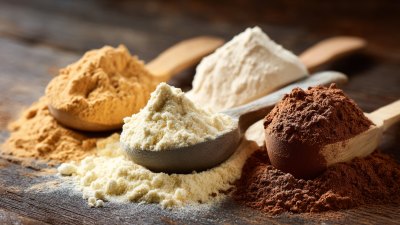
The best protein powder with iron in 2026 depends on what you need from it. Whey concentrate may suit people who tolerate dairy and want a convenient post-workout option; whey isolate often contains less lactose, though labels differ. For dairy-free diets, pea, soy, or mixed plant proteins can be practical choices. The International Society of Sports Nutrition’s position stand gives 1.4–2.0 grams of protein per kilogram of body weight daily as a useful range for many exercising adults. A powder can help fill a gap, but it is not automatically necessary.
Iron needs vary by life stage. The NIH Office of Dietary Supplements lists recommended daily amounts of 8 mg for adult men, 18 mg for women aged 19–50, and 27 mg during pregnancy. Check the iron amount per serving, not just the product name. Check the label. Plant foods contain non-heme iron, which is generally less readily absorbed than heme iron; vitamin C with a meal can support absorption. Still, a plant-based powder’s iron content varies by formulation.
One awkward detail: “with iron” does not mean the powder can correct a deficiency. If blood tests show low iron, ask a qualified health professional about the cause and appropriate intake before adding iron. More is not always better. Compare protein, iron, added sugars, and allergens on the same serving-size basis.
What Is the Best Protein Powder With Iron in 2026?
Daily iron recommendations vary by life stage. Use this chart as context when comparing the iron listed on a protein powder’s Nutrition Facts label.
How to choose: Whey and casein suit people seeking dairy-based protein; soy and pea suit those seeking plant-based options. Iron content varies by product and fortification, so compare the label’s iron per serving with your needs. These values are recommended daily totals from all sources, not targets for a single shake. Ask a healthcare professional before using iron supplements.
Reference: U.S. National Institutes of Health, Office of Dietary Supplements — Iron Fact Sheet for Health Professionals.
How to Check Safety, Serving Size, and Iron Interactions
What Is the Best Protein Powder With Iron in 2026?
The best choice depends on your diet, iron status, and reason for using a supplement. Check the nutrition label for iron per serving, not just per scoop. A scoop may differ from the serving size, and some powders contain added iron. Compare the amount with your needs; more is not automatically better. A blood test and advice from a qualified healthcare professional can help determine whether extra iron is appropriate.
Read the full ingredient and allergen lists, and check whether the product has independent quality testing. Iron can cause nausea, constipation, or stomach discomfort in some people. Start by following the label rather than adding extra scoops. Keep track of iron from other supplements, fortified foods, and your regular diet. Labels can be easy to misread, especially when serving sizes vary.
Timing matters, too. Calcium, tea, and coffee may reduce iron absorption when taken together. Iron can also affect how some medicines are absorbed, including certain thyroid medicines and antibiotics. Ask a pharmacist or clinician how far apart to take them; timing depends on the medication. If you have a condition that affects iron levels, get professional guidance before choosing an iron-fortified powder. No guesswork here.
How to Choose a Protein Powder With Iron in 2026
What Is the Best Protein Powder With Iron in 2026?
How to Choose a Protein Powder With Iron in 2026
A suitable protein powder with iron should fit your diet, not just promise a high protein count. Compare the iron amount per serving with the daily value, and check whether it comes from added minerals or naturally occurring ingredients. Check the serving size. A scoop may provide less protein or iron than the front label suggests. Also review the full ingredient list for allergens, sweeteners, and other added nutrients. Look for clear nutrition information and independent quality testing. These checks can reduce surprises, though testing does not guarantee a product suits everyone.
Tips: Choose a powder that provides a useful amount of protein without pushing your iron intake beyond your needs. If you eat mostly plant foods, ask a qualified health professional whether the iron source and amount make sense for you. Small details matter. Consider taste and texture, too; a powder left untouched in the cupboard is poor value.
Iron needs vary with age, diet, health, and life stage. More is not automatically better, and iron supplements can be unsuitable for some people. If you have been told you have low iron, ask a clinician about testing and treatment rather than relying on protein powder alone. If you have a condition that affects iron levels, get personalized advice before choosing an iron-fortified product. I would also compare the cost per serving, not only the tub price. That step is easy to overlook.