Who Are the Best Soy Protein Suppliers in China?
China’s soy protein market includes large-scale manufacturers, specialist ingredient makers, and trading companies. For buyers, “best” should mean more than a low quoted price. It should mean reliable specifications, clear documentation, steady production, and responsive communication. The details matter: protein content, solubility, flavor, and batch consistency can affect a finished beverage or meat alternative.
Soy nutrition researcher Dr. Mark Messina has described soy protein as “a high-quality protein.” That observation is useful, but it does not tell buyers whether a particular supplier can deliver consistent material. Ask for a current specification sheet, a representative sample, and supporting quality records. Compare the protein’s functional performance in your own formulation. A sample that disperses smoothly in a laboratory cup may behave differently in a larger production tank.
This outline examines how to identify leading Chinese suppliers, assess their products, and verify their manufacturing and export capabilities. It also considers practical checks: response times, traceability, packaging, and shipment planning. A polished brochure can still leave questions unanswered. And a strong first sample is not proof of long-term consistency. Buyers should confirm key claims directly, review documents carefully, and test more than one production lot when possible. The process takes effort. That is sensible, not excessive. China offers meaningful sourcing options, but supplier selection deserves patient evaluation rather than a quick ranking.

What Makes a Soy Protein Supplier Reliable in China?
A reliable soy protein supplier in China should make quality easy to verify. Ask for recent certificates of analysis that match the product lot, not just a general specification sheet. Check protein content, moisture, microbiological results, and any relevant contaminant testing. The numbers should be clear and consistent. Good records matter.
Production controls deserve close attention.
A supplier should explain how soybeans are sourced, how batches are identified, and how changes in processing are documented. Request samples from more than one lot, then compare their color, odor, solubility, and performance in your own recipe. A smooth sample is useful; repeatability is better. Ask how complaints are investigated and how corrective actions are recorded. Vague answers are a warning.
Communication is part of reliability, too.
Confirm lead times, minimum order quantities, packaging details, and how shipment delays are handled. A capable team can answer technical questions without promising that every batch will behave identically. Soy ingredients can vary slightly with raw materials and processing. That is worth discussing openly. I would also check whether the supplier welcomes an independent audit or a video review of production. Not every buyer needs the same level of detail, and paperwork alone can create false confidence. Ask practical questions, keep written records, and assess the actual product before scaling an order.
Which Types of Soy Protein Do Chinese Suppliers Offer?
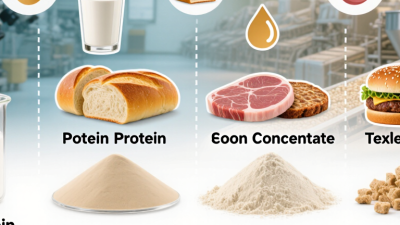
Chinese suppliers commonly offer soy protein flour, concentrate, isolate, and textured soy protein. Their uses differ. Flour can add protein to baked goods, while concentrate works in snacks, beverages, and meat alternatives. Isolate is more refined and often chosen for protein drinks or products needing a smoother texture. Textured soy protein, sold as granules or chunks, gives fillings and plant-based meals a fibrous bite.
The Codex Alimentarius Standard for Soy Protein Products (CXS 175-1989) sets minimum protein levels, on a dry-matter basis, of 50% for soy protein flour, 65% for concentrate, and 90% for isolate. These figures help buyers compare specifications, but they do not guarantee equal performance. A supplier’s moisture level, particle size, solubility, and processing method can change how an ingredient behaves in a mixing tank or extruder. Ask for a current specification sheet and a sample tested in your own recipe. Textured products vary especially. One batch may hydrate quickly; another may need more soaking time. That detail is easy to miss.
How to Evaluate China’s Soy Protein Manufacturers
Who Are the Best Soy Protein Suppliers in China?
How to Evaluate China’s Soy Protein Manufacturers
Choosing a soy protein manufacturer takes more than comparing prices. Start with the product specification: protein content, moisture, color, flavor, and solubility should be clearly stated. Check whether results are reported on an as-is or dry basis; otherwise, two products may look comparable when they are not. Small details matter.
Ask for recent test reports and confirm that they match the product batch you may purchase. Review controls for microbiological quality, allergens, and traceability, along with the supplier’s process for handling complaints. A certificate can be useful, but it does not replace consistent records or clear answers. Request samples and test them in your own application, such as a drink or meat alternative. Texture can change after mixing.
Evaluate production capacity, lead times, packaging, and export documentation before discussing a long-term order. A factory visit or independent audit may help verify what questionnaires cannot. Be cautious if specifications shift between conversations or technical questions receive vague replies. Price still matters. Yet the lowest quote may bring uneven color, poor dispersion, or delayed shipments. No checklist removes all risk, and even a careful review can miss something. Keep written specifications and retain samples from approved batches.
How to Evaluate Soy Protein Manufacturers in China
Protein content is a practical first screening indicator when comparing soy protein suppliers. Typical industry reference levels are approximately 45% for soy flour, 65% for soy protein concentrate, and 90% for soy protein isolate, generally measured on a dry basis. Buyers should also verify testing methods, microbiological controls, traceability, certifications, production capacity, and batch-to-batch consistency before selecting a manufacturer.
Reference values are indicative industry benchmarks and should be confirmed against each supplier’s current technical specification and certificate of analysis.
Which Regions Are Known for Soy Protein Production in China?
China’s soy protein industry is closely linked to the northeastern soybean belt. Heilongjiang is the best-known production region, supported by broad farmland, cold winters, and established soybean cultivation. Jilin and Liaoning also contribute important supplies, especially for processors seeking nearby raw materials. Eastern Inner Mongolia is sometimes included in this regional network. Its farms can support large-scale sourcing, although transport distances may affect delivery costs.
Processing capacity is not limited to soybean-growing areas. Shandong, Henan, Jiangsu, and other eastern provinces have developed strong food-processing infrastructure. These regions often provide easier access to ports, packaging suppliers, laboratories, and domestic food manufacturers. Shandong is particularly relevant for buyers comparing textured soy protein, soy protein concentrate, and isolated protein production. The actual quality depends on cleaning, extraction, drying, storage, and testing practices. Geography helps, but it does not guarantee performance.
A reliable supplier should explain the soybean origin clearly. Ask for recent test reports, allergen controls, traceability records, and production details. Factory audits can reveal practical issues, such as dust control or inconsistent moisture management. Small differences matter. Some regional descriptions sound impressive but remain too broad to verify. Buyers should compare samples from several provinces and test them in their own recipes. This step may seem slow, yet it often prevents costly reformulation later.
How to Choose the Best Soy Protein Supplier for Your Needs
Choosing a soy protein supplier starts with the product specification, not the sales brochure. Match protein content, solubility, flavor, and particle size to your application; a powder for a drink may behave differently from one used in baked goods. Request a recent certificate of analysis and check the test method, lot number, moisture, microbiological results, and allergen controls. USDA’s May 2024 World Agricultural Supply and Demand Estimates forecast global soybean production at about 422 million metric tons for 2024/25. That scale supports broad supply, but it does not guarantee consistent processing or quality at a particular factory.
Ask suppliers how they trace soybeans to production lots, manage changes in raw material, and handle complaints. Review food-safety certifications and audit records, then verify their scope and issuing body rather than relying on a logo. Request samples from more than one lot and test them under your own processing conditions. A supplier may provide excellent specifications, yet the powder can still foam, settle, or taste beany in your recipe. That mismatch matters.
Tips: Compare delivered cost, minimum order quantity, lead time, and packaging protection against moisture. Ask for a written change-notification policy. Check whether production capacity and backup supply fit your forecast. Keep a small reserve sample. It helps when results look odd. Be cautious of unusually low quotes; I would want the assumptions in writing before treating them as savings.